

How to Renovate the Kitchen: A Step-by-Step Practical Guide
Renovating the kitchen begins with a clear plan that balances your needs, style preferences, and budget. The key steps involve assessing your current kitchen’s layout and functionality, deciding on changes such as cabinetry, countertops, and appliances, and scheduling the work to minimize disruption.
A kitchen renovation can significantly boost the value and comfort of your home, making daily routines more enjoyable and efficient. Understanding materials, design trends, and contractor options will help you avoid costly mistakes and get the best results for your investment.
This guide will walk you through the essential phases of how to renovate the kitchen, covering design principles, budgeting tips, materials selection, and project management advice to make your remodeling experience smooth and successful.
Planning Your Kitchen Renovation

Assessing Your Current Kitchen
Start by examining your existing kitchen layout, noting what works and what doesn’t. Consider how you use the space daily, identifying bottlenecks and storage issues. Measuring accurately is crucial to plan cabinetry and appliance placements correctly.
This evaluation helps set realistic expectations for the renovation and informs decisions about whether to relocate plumbing or electrical outlets. It’s also the time to determine if you want a complete remodel or partial upgrades.
- Measure countertop and cabinet dimensions
- Observe work triangle efficiency (sink, stove, refrigerator)
- Identify lighting deficiencies
- Note damaged or outdated features
Creating a Detailed Renovation Plan
Outline your renovation goals, including style preferences, functionality changes, and budget constraints. Drafting a mood board or collecting inspiration images can clarify your vision. Decide on the new layout, appliances, fixtures, and finishes before getting quotes.
A solid plan minimizes surprises during construction and guides communication with contractors. It should include timelines, costs, and contingency buffers to handle unexpected issues without stress.
- Set a realistic budget with allowances for extras
- Choose preferred kitchen styles (modern, traditional, etc.)
- List desired appliances and features
- Plan for work phases and downtime
Designing Your New Kitchen Space
Selecting Layout and Workflow
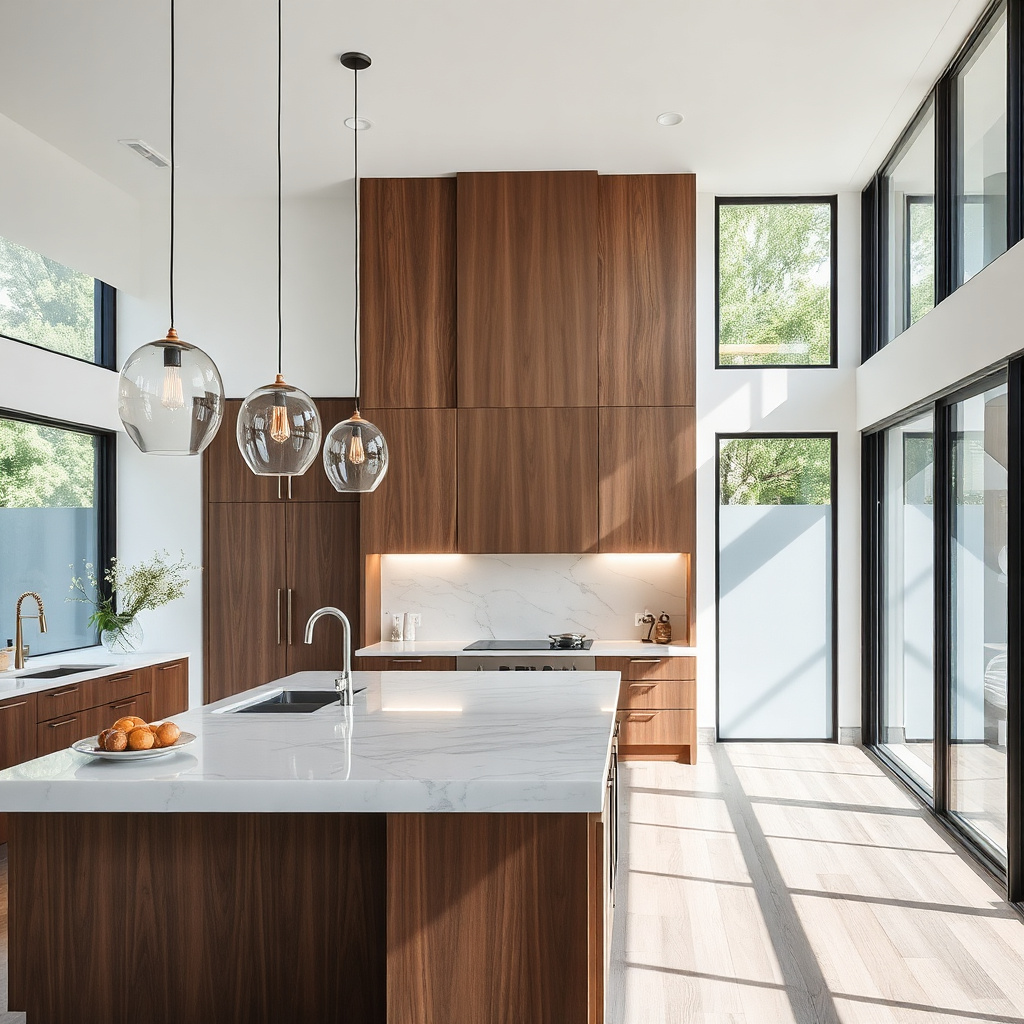
Popular kitchen layouts include U-shaped, L-shaped, galley, and island configurations. Choose one that accommodates your cooking habits and kitchen size for ergonomic workflow. The work triangle principle ensures minimal movement between key zones.
Properly designed layouts maximize efficiency while providing ample storage and counter space. Incorporate zones for cooking, preparation, and cleaning with easy access between them.
- Evaluate traffic flow and entrance points
- Consider seating options and dining integration
- Factor in natural light and window placements
- Plan storage solutions like pull-out shelves and pantries
Choosing Materials and Finishes
Material choice impacts durability, maintenance, and style. Popular countertop options include quartz, granite, and butcher block, each offering distinct looks and care requirements. Cabinet materials range from solid wood to MDF with different finishes.
Flooring, backsplashes, and lighting should harmonize with overall design while being easy to clean. Prioritize quality materials in high-use areas to ensure longevity and aesthetic appeal.
- Compare pros and cons of countertop materials
- Select cabinet door styles and hardware
- Choose backsplash tiles for visual impact and practicality
- Pick durable and moisture-resistant flooring
Budgeting for Your Kitchen Renovation
Estimating Costs Accurately
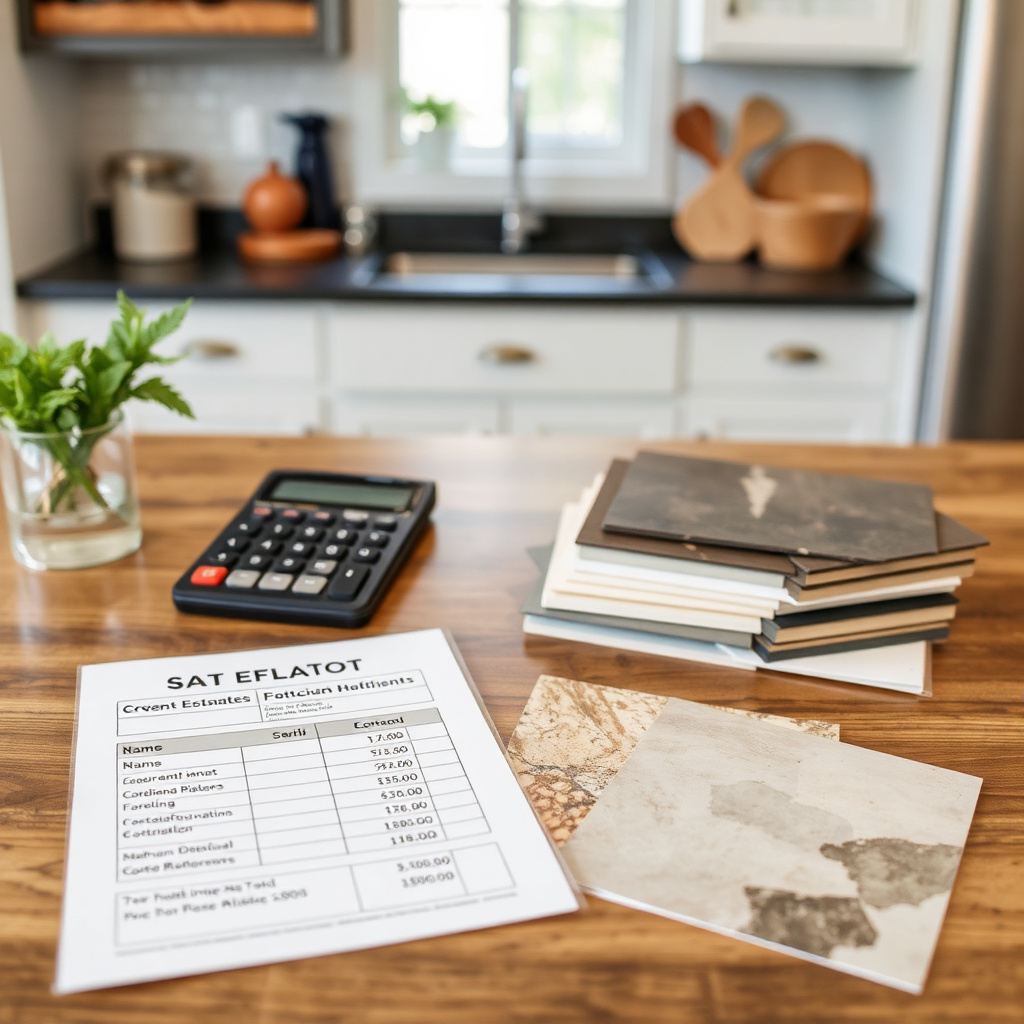
Calculate expenses for labor, materials, appliances, permits, and unexpected contingencies. Labor typically accounts for 20-35% of total costs, so getting multiple contractor bids helps stay within budget.
Tracking all purchases and changes during the project prevents overruns. Set aside about 10-15% extra to cover unforeseen issues like plumbing repairs or material delays.
- Request detailed quotes from contractors
- Research material prices thoroughly
- Include appliance costs separately
- Plan for delivery and installation fees
For more on this, see our related guide: 5 Easy Tips to Decorate a Kitchen.
Cost-Saving Tips and Prioritizing
To reduce expenses, consider refinishing existing cabinets or updating hardware instead of full replacements. Select mid-range appliances with good reliability instead of premium models.
Prioritize spending where it affects usability and appearance most, such as countertops and storage. DIY elements like painting or demolition can cut costs but require time and skills.
- Reuse and repurpose existing fittings
- Shop during sales or clearance events
- Focus budget on high-impact upgrades
- Plan timing to avoid rush charges
Hiring Professionals and Managing the Project

Selecting Reliable Contractors
Check credentials, references, and portfolios before hiring. Interviews should clarify scope, timelines, and payment structures. A clear contract with detailed expectations reduces misunderstandings.
Licensed contractors offer expertise and insurance coverage. For complex plumbing or electrical work, specialized professionals ensure safety and code compliance.
- Verify licenses and insurance
- Get multiple bids for comparison
- Request references and visit past projects
- Sign a comprehensive contract
Project Timeline and Communication
Establish a detailed project schedule with milestones and availability windows. Regular communication keeps everyone updated on progress and challenges, minimizing delays.
Preparing for interruptions to cooking routines, temporary setups, or alternative meals helps manage daily life during construction. Flexibility and clear updates ease the renovation experience.
- Define clear deadlines for phases
- Schedule regular project meetings
- Use digital tools for progress tracking
- Plan temporary kitchen arrangements
Installing Appliances and Finishing Touches

Proper Appliance Installation
Appliance placement affects workflow and accessibility. Follow manufacturer guidelines closely for electrical, water, and ventilation hookups. Professional installation helps prevent future malfunctions and preserves warranties.
Position appliances to complement the kitchen layout and avoid overcrowding. Consider energy-efficient models to reduce ongoing utility costs.
- Measure openings before ordering appliances
- Verify compatibility with cabinetry and counters
- Hire professionals for complex hookups
- Test appliances before finalizing installation
Final Finishing Details
Add hardware like knobs and pulls, apply sealants to countertops, and install lighting fixtures once major work is done. These touches elevate the kitchen’s aesthetics and functionality.
Consider ergonomic placement of outlets, under-cabinet lighting, and organizational accessories. Clean surfaces thoroughly to showcase the renovation’s quality.
- Select hardware matching the kitchen style
- Use silicone or epoxy sealants to protect surfaces
- Install energy-efficient lighting options
- Organize drawers with inserts and dividers
Maintaining Your Renovated Kitchen
Regular Cleaning and Care
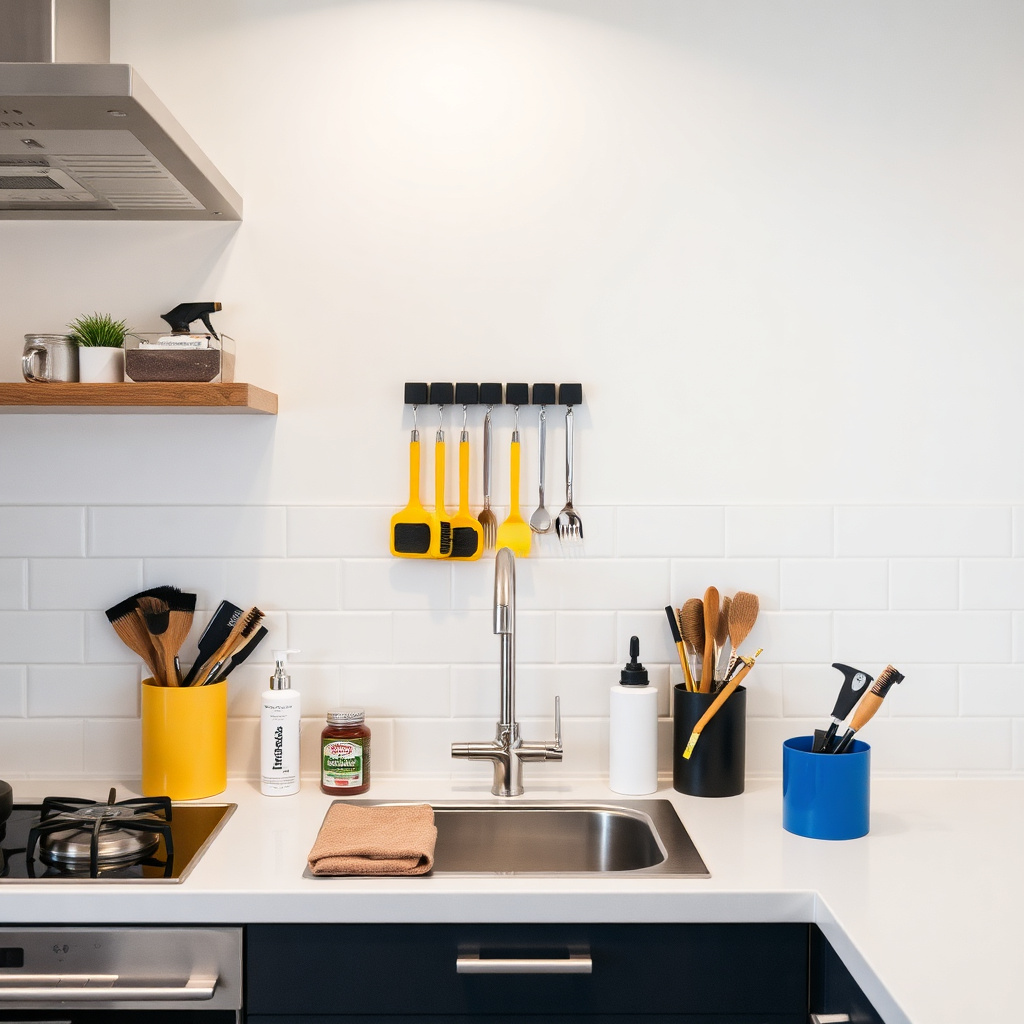
Preserve finishes and appliance longevity through appropriate cleaning methods. Use gentle, non-abrasive cleaners recommended for your materials to avoid damage.
Immediate cleanup of spills prevents stains and deterioration. Regular maintenance extends the life and appearance of cabinets, counters, and fixtures.
- Wipe surfaces daily with suitable cleaners
- Clean appliances according to manufacturer instructions
- Avoid harsh chemicals on wood and stone
- Schedule periodic deep cleans and inspections
For a foundational understanding, see the Kitchen renovation overview on Wikipedia that covers historical and contemporary remodeling concepts. Kitchen renovation overview on Wikipedia.
Handling Repairs and Upkeep
Address minor repairs such as loose hinges or grout cracks promptly to avoid escalation. Keep an inventory of product details and contact information for service professionals.
Seasonal inspections help identify wear or potential issues early, saving time and money on major repairs.
- Tighten hardware regularly
- Seal grout and countertops annually
- Replace weathered caulking
- Monitor appliance performance and service as needed
Kitchen Renovation Styles Comparison
This table compares common kitchen renovation styles to help you identify which suits your space, budget, and preferences best.
| Style | Cost Range | Maintenance Level | Aesthetic | Popular Materials |
|---|---|---|---|---|
| Modern | $15,000–$40,000 | Medium | Sleek, clean lines, minimalism | Quartz countertops, laminate cabinets, stainless steel appliances |
| Traditional | $20,000–$50,000 | Medium-High | Classic, warm, ornate details | Granite countertops, wood cabinets, brass fixtures |
| Farmhouse | $18,000–$45,000 | Medium | Rustic, cozy, natural elements | Butcher block counters, shiplap, open shelving |
| Contemporary | $22,000–$55,000 | Medium | Bold contrasts, innovative materials | Concrete countertops, glass cabinets, LED lighting |
| Budget-Friendly | $8,000–$20,000 | High | Simple, functional, cost-effective | Laminate counters, ready-to-assemble cabinets, basic appliances |
Frequently Asked Questions
How long does a typical kitchen renovation take?
Most kitchen renovations take between 6 to 12 weeks depending on the complexity, size, and scope of the work involved.
Can I live in my house during the kitchen renovation?
Yes, but expect limited kitchen use and prepare alternative meal solutions since major appliances may be disconnected during construction.
How do I choose the right kitchen layout?
Select a layout based on your space size and cooking habits, aiming for an efficient work triangle between the sink, stove, and refrigerator.
Are there any permits needed for kitchen renovations?
Depending on local regulations, permits may be required for plumbing, electrical work, and structural changes to ensure compliance with building codes.
What’s the best way to save money on a kitchen renovation?
Reuse existing materials where possible, focus spending on high-impact areas, and consider doing some tasks yourself to lower labor costs.
Key Takeaways
- Start with a clear evaluation and plan to guide your renovation
- Choose a kitchen layout that supports efficient workflow
- Prioritize budget allocation based on durability and function
- Hire licensed contractors and maintain good communication
Conclusion
Approaching how to renovate the kitchen with a detailed plan and clear priorities helps balance aesthetics, function, and cost. Begin by understanding your current layout and needs, then visualize your ideal space using design principles that enhance efficiency. Planning also involves budgeting realistically and accounting for unexpected challenges, setting you up for a smoother construction process.
For practical choices, consider styles like modern or farmhouse depending on your taste and home’s character. If your budget is tight, the budget-friendly category offers functional upgrades without overspending. Invest in quality materials where daily use is highest, such as countertops and cabinetry, while using cost-saving options like refinishing existing elements. Choosing trusted professionals and managing timelines carefully further contribute to a satisfying outcome.
Once your plans are set, take small steps like sourcing materials and scheduling contractors, avoiding big last-minute decisions. This measured approach to how to renovate the kitchen means you can create a space that feels fresh, works efficiently, and adds lasting value to your home with less stress and more confidence.