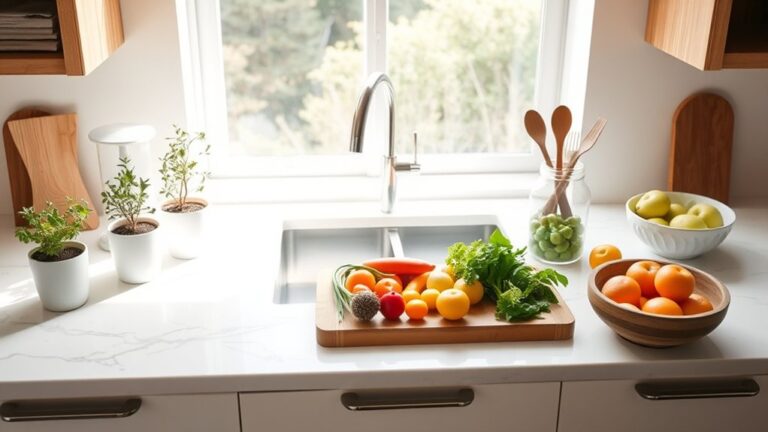

How to Remodel Your Kitchen: A Practical Guide for a Stunning Upgrade
Remodeling your kitchen begins with a clear plan that balances functionality, design, and budget. Start by assessing your current kitchen’s layout, identifying what works, and deciding what needs improvement. Focusing on the essentials like cabinetry, countertops, and appliances can transform the space quickly and effectively.
A kitchen remodel is often the most impactful home improvement, increasing both livability and property value. Beyond aesthetics, a well-executed remodel improves workflow and storage, which makes everyday cooking and entertaining more enjoyable. Knowing how to remodel your kitchen can help avoid costly mistakes and delays.
This article will cover the key phases of remodeling your kitchen, including designing the layout, selecting materials and appliances, budgeting wisely, working with contractors, and finishing with the right details. Whether you want a modern update or a classic makeover, these insights will guide your project from start to finish.
Planning Your Kitchen Remodel for Maximum Impact
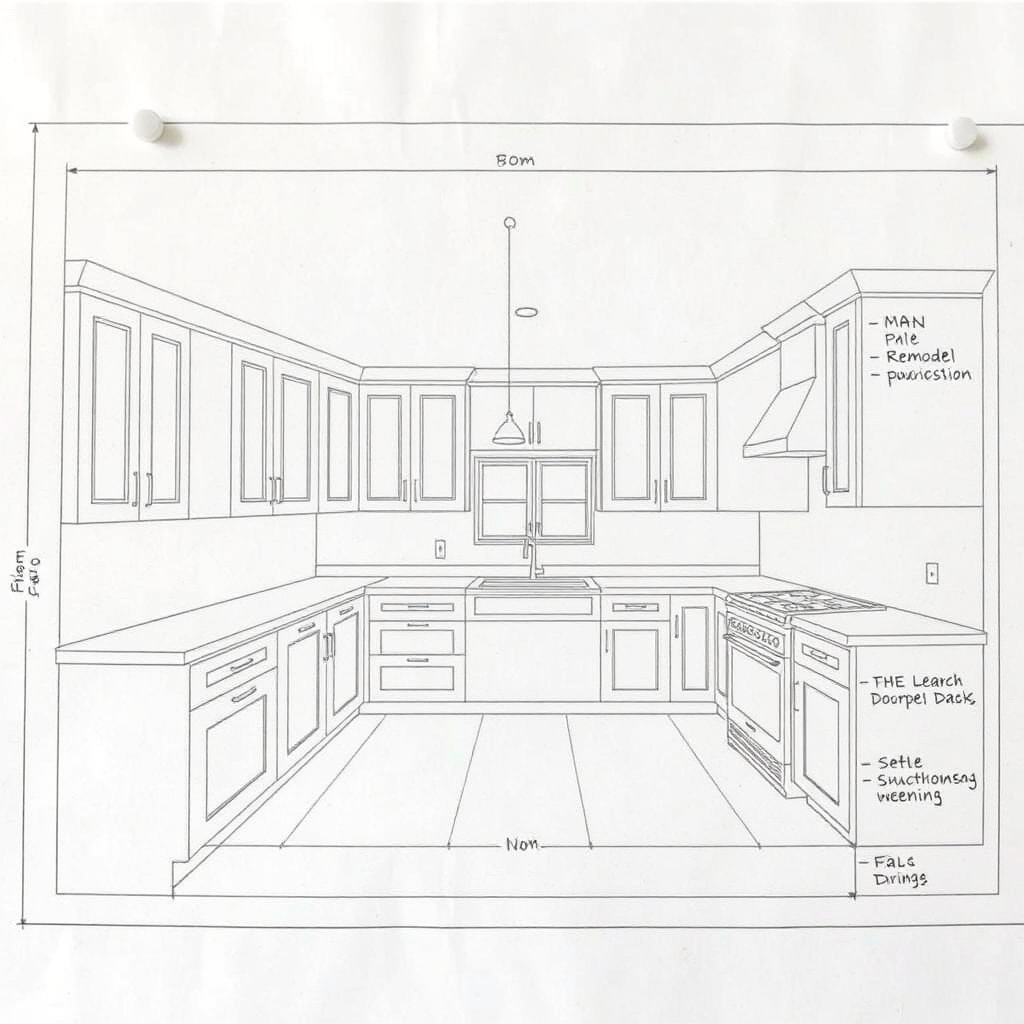
Evaluating Your Current Kitchen Layout
Begin by reviewing your kitchen's functionality. Identify areas that feel cramped or inefficient and which zones—like cooking, prep, and cleaning—should be reconfigured. This evaluation sets a foundation for the new design that improves flow and accessibility.
Measuring your kitchen space accurately will help determine if a major layout change is possible, such as moving plumbing or electrical connections. Understanding these constraints early will inform your remodeling options and costs.
Setting a Realistic Budget
A solid budget defines the scope of your remodel and prevents overspending. Consider costs for materials, appliances, labor, permits, and unexpected expenses around 10-20% of your budget. Prioritize spending on items that offer long-term value.
Divide your budget into categories like cabinetry, countertops, flooring, lighting, and appliances. Research prices for each category to allocate funds effectively. This financial roadmap will keep your kitchen remodeling project on track.
Designing Your Kitchen with Style and Functionality
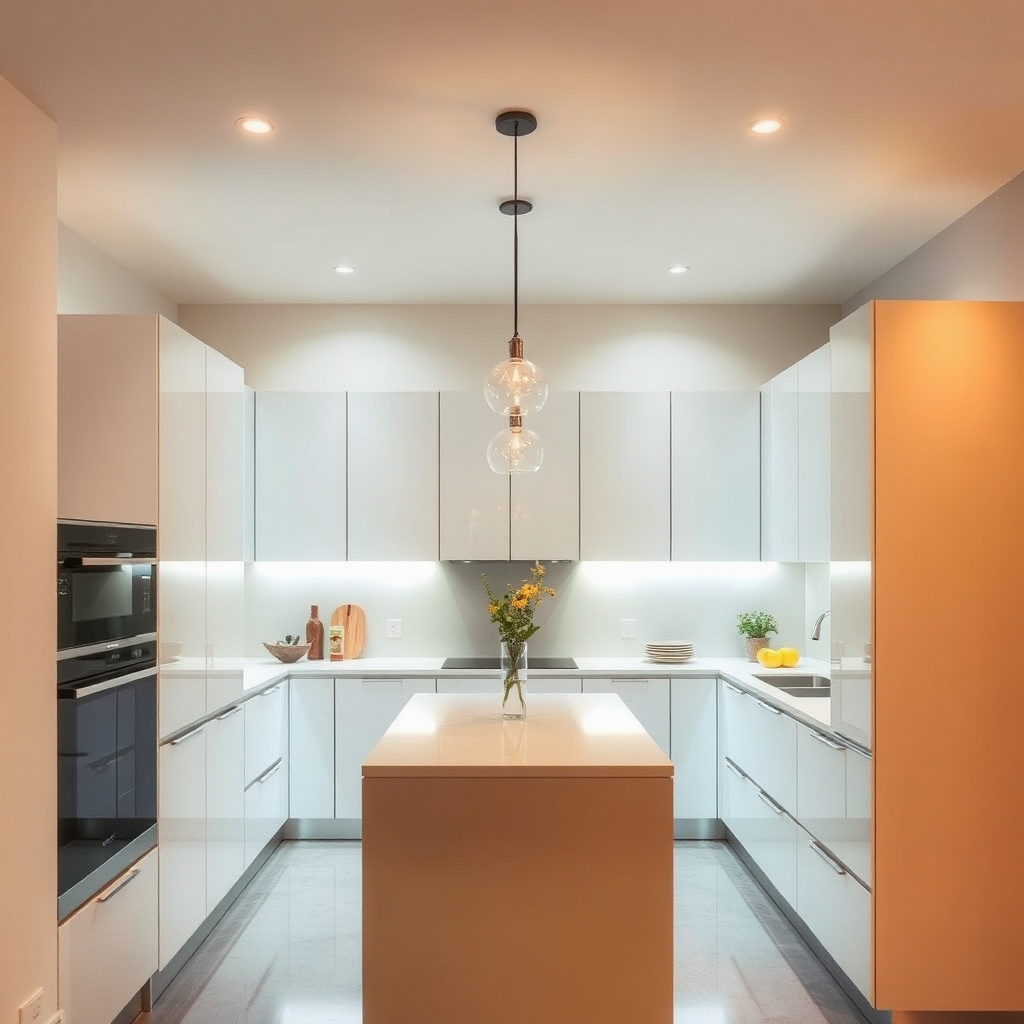
Choosing the Right Kitchen Style
Decide on a design theme that fits your home's character and your personal taste, whether that’s contemporary, farmhouse, or transitional. This influences your choice of cabinetry, hardware, and finishes that give your kitchen its unique personality.
Consider how colors and textures interact to create atmosphere. For example, matte cabinets with wood accents offer warmth, while glossy surfaces provide a clean, modern look.
Incorporating Kitchen Remodeling Ideas for Better Use of Space
Integrate smart storage solutions such as pull-out shelves, deep drawers, and corner units to maximize space utilization. These ideas help minimize clutter and keep essentials within easy reach.
Add features like kitchen islands or breakfast bars if space allows. They add prep area, casual dining spots, and extra storage making the kitchen more social and efficient.
Selecting Materials and Appliances

Choosing Durable and Attractive Materials
Pick countertop materials that balance durability and aesthetics. Popular options include quartz for its resilience, granite for a natural look, and butcher block for warmth. Flooring choices like tile or hardwood affect maintenance and comfort.
Cabinet materials should be sturdy, often solid wood or plywood with veneer. Finishes like paint or laminate vary in cost and durability, impacting long-term satisfaction and upkeep.
- Quartz countertops
- Granite options
- Butcher block surfaces
- Tile vs hardwood flooring
For more on this, see our related guide: How to Fit a Kitchen in 7 Simple Steps.
Selecting Energy-Efficient Appliances
Invest in appliances with Energy Star ratings to reduce utility bills and environmental impact. Modern refrigerators, dishwashers, and ovens offer smart features that enhance convenience and efficiency.
Match appliance styles and finishes with your kitchen design to maintain coherence. Stainless steel is versatile, while integrated appliances blend seamlessly for a minimalist look.
Managing the Remodeling Process Smoothly

Hiring and Working with Contractors
Research and interview multiple contractors to find one with relevant experience and good reviews. Clear communication about your vision and budget helps align expectations and avoids costly surprises.
Schedule regular check-ins to monitor progress and address issues early, maintaining project momentum and quality control throughout the remodel.
Handling Permits and Inspections
Most major kitchen remodeling projects require local permits, especially when altering plumbing, electrical, or structural elements. Checking regulations ahead prevents delays and legal complications.
Coordinate inspections at required milestones during construction. Passing these ensures your remodel meets safety standards and building codes, providing peace of mind.
Finishing Touches and Final Details

Selecting Lighting and Fixtures
Layer your kitchen lighting with ambient, task, and accent sources. Pendant lights over an island, under-cabinet LED strips, and dimmable overhead fixtures combine style and functionality.
Choose durable and attractive fixtures that complement your kitchen’s overall theme. Fixture finishes like brushed nickel or matte black add visual interest.
For more on this, see our related guide: 7 Best Places to Get Kitchen Cabinets in 2027.
Adding Decorative Elements and Hardware
Hardware like drawer pulls and cabinet knobs can be simple or bold but should coordinate with your kitchen style. Subtle changes here can refresh the whole look.
Consider backsplashes, wall color, and open shelving as decorative accents. These elements personalize the space and tie all design pieces together.
Maintaining Your Kitchen After the Remodel

Routine Cleaning and Care Tips
Maintain your new kitchen by promptly cleaning spills and using appropriate cleaners for surfaces like stone or wood. This prevents damage and preserves the finish.
Regularly check appliances to keep them running efficiently and address minor repairs before they worsen.
For a thorough overview and historical context, see the Kitchen remodeling information on Wikipedia. Kitchen remodeling information on Wikipedia.
Planning for Future Upgrades
Design your kitchen remodel with flexibility in mind. Future upgrades like smart home integrations or additional storage can be easier if you prepare conduit or extra space during this remodel.
Keep receipts and manuals organized for warranties, and track your remodel investments for potential resale benefits.
Kitchen Remodel Styles and Budget Comparison
Below is a comparison of popular kitchen remodel styles with typical budget ranges and key features to help you choose a direction.
| Style | Average Cost | Key Features | Best For |
|---|---|---|---|
| Contemporary | $20,000 – $50,000 | Sleek cabinets, minimalistic hardware, integrated appliances | Modern homes, small spaces |
| Farmhouse | $15,000 – $40,000 | Open shelving, apron sinks, rustic wood accents | Traditional homes, cozy feel |
| Transitional | $18,000 – $45,000 | Blend of modern and classic elements, neutral colors | Versatile, appeals to broad tastes |
| Luxury Custom | $50,000+ | High-end materials, custom cabinetry, smart tech | Large homes, upscale buyers |
| Budget-Friendly | $5,000 – $15,000 | Painted cabinets, laminate countertops, basic appliances | Rental properties, quick refresh |
Frequently Asked Questions
How long does a typical kitchen remodel take?
A kitchen remodel usually takes between six to twelve weeks depending on the scope of work, contractor availability, and any unforeseen delays during construction.
Can I remodel my kitchen without moving plumbing or electrical?
Yes, staying within the existing plumbing and electrical layout can reduce costs and timeline significantly, making it a more straightforward remodel.
What is the best flooring for a kitchen remodel?
Durable, water-resistant options like ceramic tile, luxury vinyl, and sealed hardwood are popular choices for kitchen flooring due to their longevity and ease of maintenance.
How do I choose the right contractor for my kitchen remodel?
Look for contractors with good references, proper licensing, and clear contracts. Interview several candidates and ensure they understand your style and budget.
Are kitchen islands worth adding in a remodel?
Kitchen islands add prep space, storage, and seating but require adequate room to maintain comfortable traffic flow, making them worthwhile in medium to large kitchens.
Key Takeaways
- Start your kitchen remodel with a clear plan and budget to guide decisions.
- Choose kitchen remodeling ideas that improve both style and functionality.
- Select materials and appliances for durability, efficiency, and aesthetic appeal.
- Work closely with contractors and follow building codes for a smooth process.
Conclusion
Approaching how to remodel your kitchen with a structured plan makes the project manageable and satisfying. Consider functional needs alongside stylistic preferences to create a space that feels both personal and practical. Budget planning is key; understanding costs early helps you prioritize choices and avoid surprises during construction. Maintaining open communication with your contractor ensures the remodel proceeds smoothly and meets your expectations.
When deciding on your kitchen remodel style and features, think about daily habits and long-term value. For smaller budgets, focusing on painted cabinets and new hardware can refresh your kitchen noticeably. Contemporary and transitional designs suit a wide range of homeowners seeking modern yet approachable aesthetics. If you have a larger budget, investing in luxury custom cabinetry, energy-efficient appliances, and smart technology elevates both comfort and resale appeal.
Finally, consider your kitchen’s future. Plan for adaptable spaces and choose finishes that age well. Begin by sketching out your dream kitchen, exploring kitchen remodeling ideas, and gathering quotes from contractors who understand your vision. By taking these steps, you’ll be ready to transform your kitchen into a beautiful, functional heart of your home.