
How to Remove Smell From Kitchen Sink Quickly
A smelly kitchen sink can make your whole kitchen feel less clean, even when you’ve just tidied up. If you’re wondering how to remove smell from a kitchen sink quickly, you’re not alone—many people struggle with lingering odors from food scraps and drain buildup.
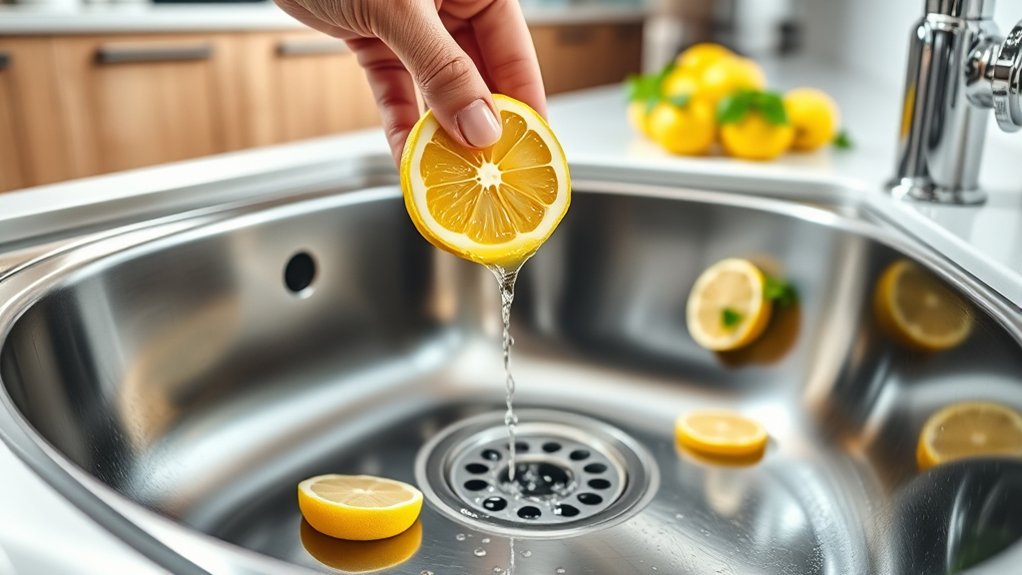
To quickly remove kitchen sink smells, start by pouring a mix of baking soda and vinegar down the drain, let it fizz, then flush with hot water. Grind citrus peels in your garbage disposal to add a fresh scent instantly. Run hot water while using the disposal to clear residue and wipe down the sink regularly.
These easy steps tackle most odors fast, but if the smell lingers, deeper cleaning and maintenance tips can help solve the problem for good.
Key Takeaways
- Pour a mixture of baking soda and vinegar down the drain, let fizz for a few minutes, then flush with hot water to neutralize odors.
- Grind citrus peels like lemon or orange in the garbage disposal to instantly freshen the kitchen sink smell.
- Run hot water while using the disposal to clear residue and prevent odor-causing buildup.
- Wipe down the sink and drain stopper regularly to reduce bacteria and surface smells.
- Clean the garbage disposal weekly with ice cubes and coarse salt to remove grime and maintain freshness.
Why Does Your Kitchen Sink Smell Bad?
Although it may seem surprising, your kitchen sink smells bad because food particles, grease, and bacteria build up in the drain and pipes over time. When you’re focused on kitchen organization, it’s easy to overlook the significance of regular plumbing maintenance.
Grease that slips down the drain sticks to the pipes, trapping food debris that then decomposes, causing foul odors. Bacteria thrive in this environment, intensifying the smell.
If you don’t address these issues promptly, the buildup worsens, making the smell harder to eliminate. Keeping your kitchen tidy helps, but it’s just as vital to schedule routine plumbing maintenance to clear out hidden grime.
Quick Fixes to Remove Sink Smells
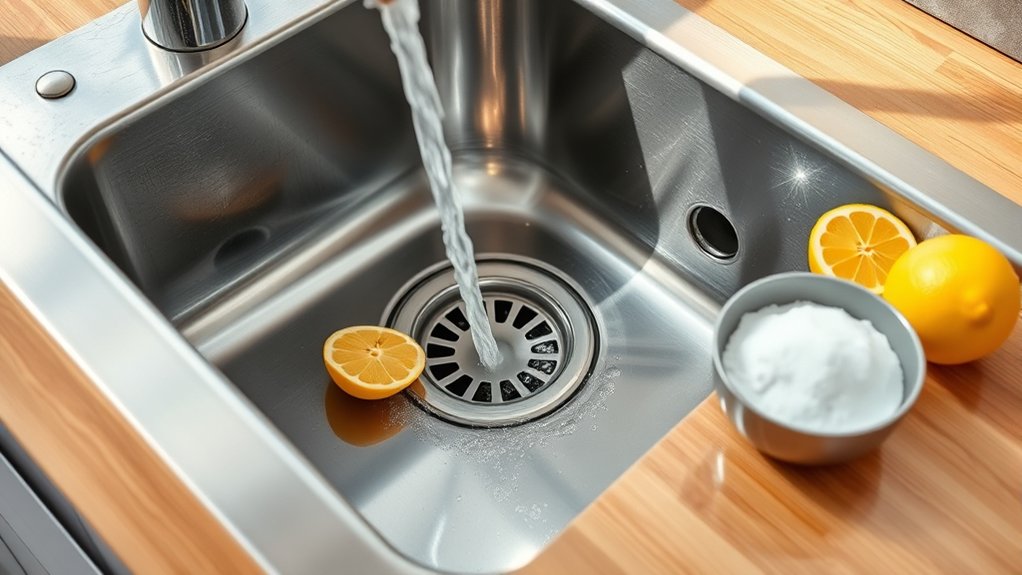
How can you quickly eliminate that unpleasant odor coming from your kitchen sink? Start with eco friendly solutions like pouring a mixture of baking soda and vinegar down the drain. Let it fizz for a few minutes, then flush with hot water. This natural method neutralizes odors without harsh chemicals.
Next, grind citrus peels in the garbage disposal to freshen the scent immediately. Don’t forget regular plumbing maintenance—check for leaks or clogged pipes, as stagnant water breeds smells. Running hot water while using the disposal helps clear residue and prevent buildup.
Wiping down the sink and drain stopper also reduces bacteria growth causing odors. If you have a garbage disposal, clean it weekly using ice cubes and coarse salt to scrape away grime. These quick fixes keep your kitchen sink smelling fresh without complicated steps, saving time and protecting your plumbing system. With consistent care, you’ll banish bad smells fast and eco consciously.
Identify Common Sources of Sink Odors
Food residue is a common cause of sink odors. Bits of food can get trapped in the drain and start to rot. The drain trap can also collect debris and stagnant water, which may cause unpleasant smells. Once you know where the odor might be coming from, it’s easier to tackle the problem.
Food Residue Buildup
When food particles get trapped in your kitchen sink’s drain or garbage disposal, they quickly start to decompose and produce unpleasant odors. This buildup often leads to food mold growth, which not only smells bad but can also affect your health if left unchecked.
Over time, the constant moisture and acidic environment from decomposing food can contribute to pipe corrosion, worsening the smell and potentially causing leaks.
To prevent these issues, make sure to rinse your sink thoroughly after every use and avoid letting scraps sit in the drain. Regularly running hot water and using a natural cleaner can help break down residue and keep food mold and corrosion at bay.
Addressing food residue buildup promptly is key to maintaining a fresh-smelling kitchen sink.
Drain Trap Issues
Although food residue is a common culprit, many kitchen sink odors actually stem from issues within the drain trap. The drain trap, or P-trap, holds water that blocks sewer gases, but if it dries out or gets clogged, foul smells can escape.
Depending on your sink material—whether stainless steel, porcelain, or composite—residue buildup and corrosion can affect the trap’s efficiency. Performing a thorough plumbing inspection helps identify leaks, cracks, or blockages causing the odor.
Sometimes, debris accumulates in hidden bends, so cleaning or replacing the trap might be necessary. By checking the trap regularly and ensuring it stays filled with water, you’ll prevent unpleasant smells and maintain a fresher kitchen environment.
Don’t overlook this essential step when tackling sink odors.
How to Clean Your Sink Drain to Stop Odors
Remove any food debris stuck in the sink drain first. Then sprinkle baking soda down the drain to help neutralize odors. Finish by flushing it with hot water to wash away residue and keep the drain fresh.
Remove Food Debris
Since food particles often get trapped in your sink drain, removing this debris is essential to eliminate unpleasant odors quickly. Begin by wearing gloves and carefully pulling out any visible food scraps from the drain and garbage disposal.
Use a small brush or an old toothbrush to scrub the drain’s interior, loosening stuck-on bits. For a deeper clean, flush the drain with hot water to wash away loosened debris.
Incorporating eco friendly solutions like vinegar or lemon juice can help dissolve buildup without harming your pipes. Regularly removing food debris supports good plumbing maintenance, preventing clogs and foul smells.
Use Baking Soda Mixture
When you want to tackle stubborn odors in your kitchen sink, using a baking soda mixture is one of the most effective methods. Baking soda benefits include its natural deodorizing properties and ability to break down grime.
For mixture preparation, combine half a cup of baking soda with half a cup of white vinegar or lemon juice. Pour this mixture directly into your sink drain.
The fizzing reaction helps loosen buildup and neutralizes odors. Let it sit for about 15 minutes to maximize cleaning power.
This simple, eco-friendly solution tackles smells without harsh chemicals. After the waiting period, you’ll be ready to clear the drain further or flush it out.
Using this baking soda mixture regularly keeps your kitchen sink smelling fresh and clean.
Flush With Hot Water
Although the baking soda mixture breaks down grime and neutralizes odors, flushing your sink drain with hot water helps wash away loosened debris and rinse away lingering smells. This simple step is vital for effective plumbing maintenance and keeps your sink accessories functioning smoothly. Pouring hot water down the drain after cleaning prevents buildup that causes foul odors and clogs.
To get the best results:
- Use boiling water slowly to avoid damaging pipes or sink accessories.
- Flush for several minutes to ensure thorough rinsing.
- Repeat regularly to maintain a fresh, odor-free kitchen sink.
How to Remove Garbage Disposal Sink Smells
If your garbage disposal starts to emit unpleasant odors, you can tackle the problem quickly by targeting trapped food particles and buildup. Begin by running cold water and turning on the disposal to flush out loose debris.
Next, use eco friendly cleaning methods—grind small ice cubes mixed with citrus peels like lemon or orange to scrub away residue naturally and leave a fresh scent. Avoid harsh chemicals that may damage your plumbing or the environment.
Regular plumbing maintenance helps prevent persistent smells. Check for trapped bits under the splash guard and clean them with an old toothbrush. Also, run the disposal regularly, even if you don’t use it daily, to keep everything moving smoothly.
Using Baking Soda and Vinegar to Freshen Your Sink
Because baking soda and vinegar react to break down grime and neutralize odors, they make an effective, natural solution to freshen your kitchen sink. You can quickly combat unpleasant smells using these simple DIY techniques that rely on natural remedies instead of harsh chemicals.
Start by sprinkling a generous amount of baking soda directly into your sink drain. Then, pour vinegar over it and watch the fizzing reaction break down buildup and eliminate odors.
Sprinkle baking soda into the drain, pour vinegar over it, and watch the fizz break down grime and odors.
Let the mixture sit for 10-15 minutes, allowing it to work its magic. Finally, flush the drain with hot water to wash away loosened debris and lingering smells. This method is safe, affordable, and eco-friendly.
Using baking soda and vinegar will:
- Restore freshness without harsh chemicals
- Give you peace of mind with a non-toxic approach
- Save time and money with an easy DIY fix
Try this natural remedy regularly to keep your kitchen sink smelling clean and inviting.
Natural Deodorizers for Kitchen Sinks
Baking soda and vinegar do a great job tackling odors, but sometimes you might want additional natural options to keep your kitchen sink smelling fresh. Using eco friendly solutions like lemon or coffee grounds not only deodorizes but also avoids harsh chemicals. These DIY remedies are simple and effective for regular maintenance.
Here’s a quick guide to some natural deodorizers:
| Deodorizer | Benefits | How to Use |
|---|---|---|
| Lemon Peels | Citrus scent, antibacterial | Drop peels in drain, run hot water |
| Coffee Grounds | Absorbs odors | Place in a mesh bag in drain |
| Baking Soda | Neutralizes smell | Sprinkle, then rinse with water |
| White Vinegar | Disinfects and deodorizes | Pour down drain, let sit, flush |
| Salt | Removes grime and odors | Mix with baking soda, scrub drain |
Try these natural deodorizers as easy, eco friendly solutions to keep your kitchen sink fresh without chemicals.
When to Use Chemical Cleaners for Sink Odors
If natural treatments haven’t cleared up your sink odor, it may be time to try a chemical cleaner. First, figure out where the smell is coming from, and always follow the product’s safety instructions. Choosing the right cleaner can help tackle stubborn odors more effectively.
Identifying Persistent Odor Sources
While many kitchen sink odors can be eliminated with natural remedies, some persistent smells signal deeper buildup or bacterial growth that requires stronger solutions. You might notice that your usual eco-friendly solutions or DIY remedies aren’t cutting it anymore.
It’s essential to identify these stubborn odor sources before deciding to use chemical cleaners. Look out for:
- Lingering, foul smells despite regular cleaning
- Slow drainage or gurgling sounds hinting at clog-related buildup
- Mold or slime visibly accumulating under the sink or around the drain
These signs show that organic debris or bacteria have settled deep in your pipes, making natural methods less effective. Recognizing these symptoms helps you act promptly, preventing the odor from worsening and protecting your kitchen’s freshness.
Safety Precautions for Chemicals
When natural remedies fail to eliminate stubborn kitchen sink odors caused by deep buildup or bacteria, chemical cleaners might be your next option. Before you use them, prioritize chemical safety to avoid accidents. Always read the label instructions carefully and never mix different chemicals, as this can create hazardous fumes.
Wear gloves and make certain your kitchen is well-ventilated to protect your skin and lungs. Keep chemical cleaners out of reach of children and pets to prevent accidental ingestion or exposure. Store these products in their original containers with clear labels to avoid confusion.
Following proper hazard prevention steps will help you use chemical cleaners effectively and safely, ensuring that your kitchen sink smell disappears without risking your health or damaging your plumbing.
Choosing Effective Cleaner Types
Although natural methods often tackle minor kitchen sink odors effectively, you’ll need chemical cleaners for tougher, deep-seated smells caused by stubborn grease, food buildup, or bacterial growth. Choosing the right cleaner can make a huge difference in how quickly and thoroughly you eliminate odors.
While eco friendly solutions are great for regular maintenance and DIY deodorizing, chemical cleaners shine when you face persistent problems. Use chemical cleaners when:
- Your sink’s smell lingers despite regular natural cleaning.
- There’s visible grime or buildup inside the drain that won’t budge.
- You want a fast, powerful fix without repeated effort.
Remember to always follow safety precautions, and balance chemical use with green methods to keep your kitchen fresh and safe.
How to Prevent Future Smells in Your Kitchen Sink
To keep your kitchen sink smelling fresh, you need to adopt simple daily habits that stop odors before they start. Proper sink installation assures no leaks or trapped food debris, which can cause bad smells. Also, integrating these habits complements your kitchen decor by maintaining a clean, inviting space.
Here’s a quick guide:
| Habit | Benefit | Frequency |
|---|---|---|
| Rinse and wipe sink | Removes food particles | After each use |
| Avoid pouring grease | Prevents clogging and odor | Always |
| Use sink strainer | Catches debris | Daily cleaning |
Tips to Keep Your Kitchen Sink Fresh
Keeping your kitchen sink fresh requires a few simple but effective habits that you can easily incorporate into your daily routine. By doing so, you not only improve your kitchen decor’s overall feel but also avoid costly plumbing maintenance issues. Here are some tips to keep your sink smelling clean and inviting:
- Rinse your sink thoroughly after each use to prevent food particles from lingering and causing odors.
- Use a natural deodorizer like baking soda and lemon juice weekly to neutralize smells without harsh chemicals.
- Regularly check and clean the drain trap to avoid buildup that can lead to unpleasant smells and plumbing problems.
These small actions protect your plumbing system and maintain a fresh, welcoming kitchen environment. Remember, a fresh sink complements your kitchen decor and keeps your space hygienic. Incorporate these habits consistently, and you’ll enjoy a cleaner, fresher kitchen sink every day.
Frequently Asked Questions
Can Sink Smells Affect My Health?
Yes, sink smells can affect your health, especially if poor air circulation traps bacteria and mold around your kitchen. Plumbing leaks often cause these odors by creating damp environments where harmful microbes thrive.
When you ignore persistent smells, you risk respiratory issues, allergies, or infections. Improving air circulation and fixing leaks promptly helps keep your kitchen safe and fresh, protecting your health from the dangers hidden behind those unpleasant odors.
Do Certain Foods Cause Stronger Sink Odors?
Think of your kitchen sink as a small kingdom, where food residue acts like unruly invaders. Yes, certain foods—like onion peels, coffee grounds, and fibrous vegetable scraps—cause stronger odors because they linger longer in your garbage disposal. When these invaders settle in, they create a stench that’s hard to ignore.
How Often Should I Clean My Kitchen Sink?
You should clean your kitchen sink at least once a day to keep odors and bacteria at bay. Regular cleaning frequency helps maintain hygiene and prevents buildup.
For maintenance tips, rinse the sink after each use, wipe it down with a mild cleaner, and avoid letting food scraps sit too long. Weekly deep cleaning with baking soda and vinegar can also keep your sink fresh and odor-free.
Staying consistent makes a big difference!
Can Hard Water Worsen Sink Smells?
Yes, hard water can worsen sink smells. You might think water quality doesn’t affect odors, but mineral buildup from hard water creates rough surfaces where bacteria thrive, causing bad smells.
When minerals accumulate, they trap food particles and grime, making it harder to keep your sink fresh. To tackle this, you’ll want to address mineral buildup regularly to improve water quality and prevent persistent odors in your kitchen sink.
Are Commercial Deodorizers Safe for All Sink Types?
Commercial deodorizers aren’t always safe for all sink types because different deodorizer types cause varied chemical reactions. If you use a strong chemical deodorizer on delicate materials like natural stone or certain metals, it might damage the surface or pipes.
You should check the product label for compatibility with your sink’s material, and when in doubt, opt for milder, eco-friendly options to avoid unwanted damage while eliminating odors effectively.
Conclusion
Did you know that nearly 60% of kitchen sink odors come from forgotten food scraps stuck in the drain? By regularly cleaning your sink and using natural deodorizers, you can quickly eliminate those smells and keep your kitchen fresh.
Don’t wait for the stench to get worse. Try simple fixes like baking soda or vinegar. With a little care, you can remove smell from your kitchen sink and keep your kitchen fresh and inviting every day!