
How to Organize a Cabinet Efficiently for Everyday Use
Organizing a cabinet efficiently means creating a system that maximizes space while keeping frequently used items easy to reach. Start by empting the cabinet, sorting items by type or frequency of use, and grouping like items together. Use containers or organizers to prevent clutter and maintain order.
A well-organized cabinet isn’t just about tidiness; it can save time during meal prep or household tasks and reduce stress caused by hunting for things. Good organization can also prolong the life of your items by protecting them from damage and spills.
This article covers key steps for organizing cabinets, including decluttering, choosing the right storage solutions, arranging items thoughtfully, and maintaining the system over time. You’ll find practical advice on different cabinet types and how to adapt strategies to your space.
Preparing and Decluttering Your Cabinet
Emptying and Cleaning the Cabinet
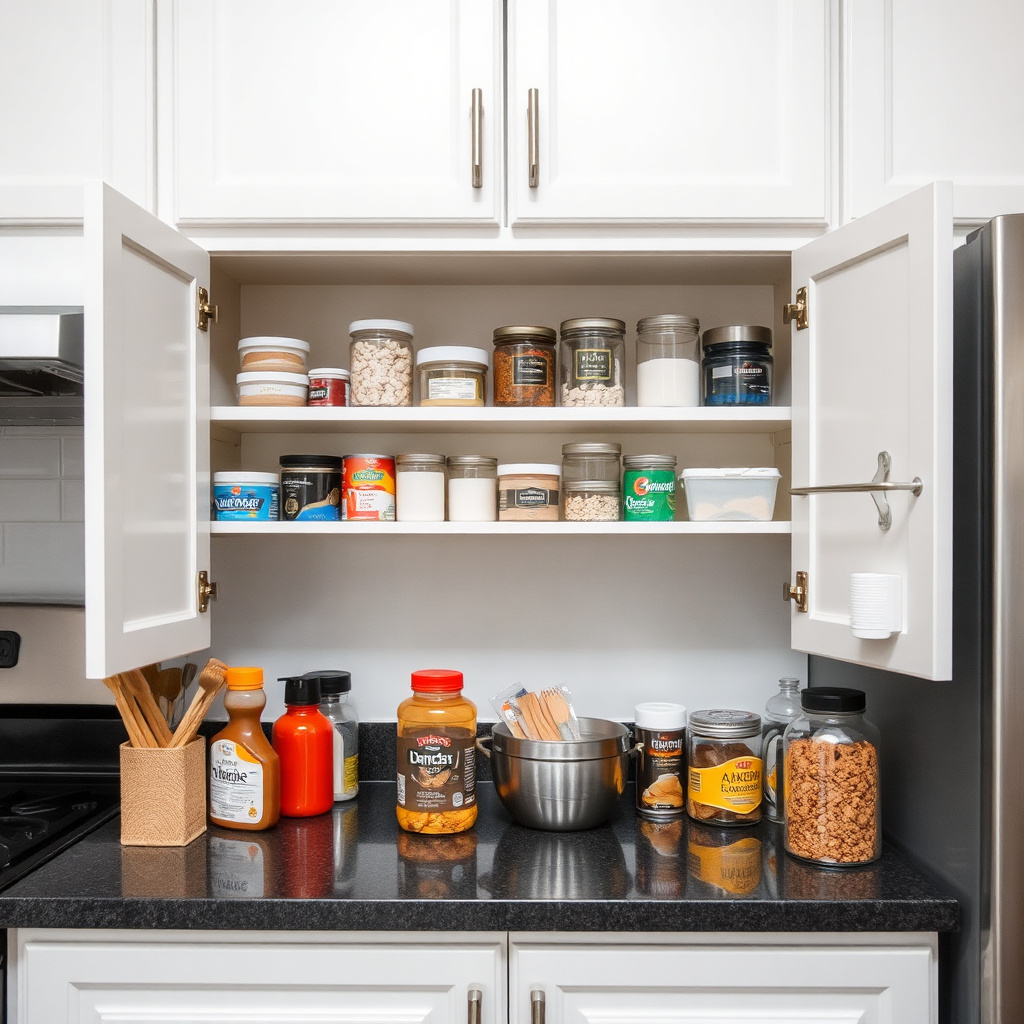
Start the organizing process by completely emptying the cabinet. This allows you to clean every surface and evaluate the space without distractions. Use a mild cleaner to wipe down shelves and remove crumbs, dust, or grease.
Removing everything also helps you assess what you actually have stored and if anything is expired or no longer needed. This step creates a fresh foundation before reorganizing.
Sorting and Decluttering Items
Group items by categories such as canned goods, baking supplies, or utensils. Discard expired food or broken kitchen tools promptly. Consider donating items you rarely use but are still in good condition.
Prioritize keeping only what fits your current usage patterns, as this reduces clutter and improves cabinet accessibility.
- Separate by frequency of use
- Discard expired or damaged items
- Donate surplus or infrequently used items
Choosing and Using Cabinet Storage Solutions
Shelf Risers and Dividers
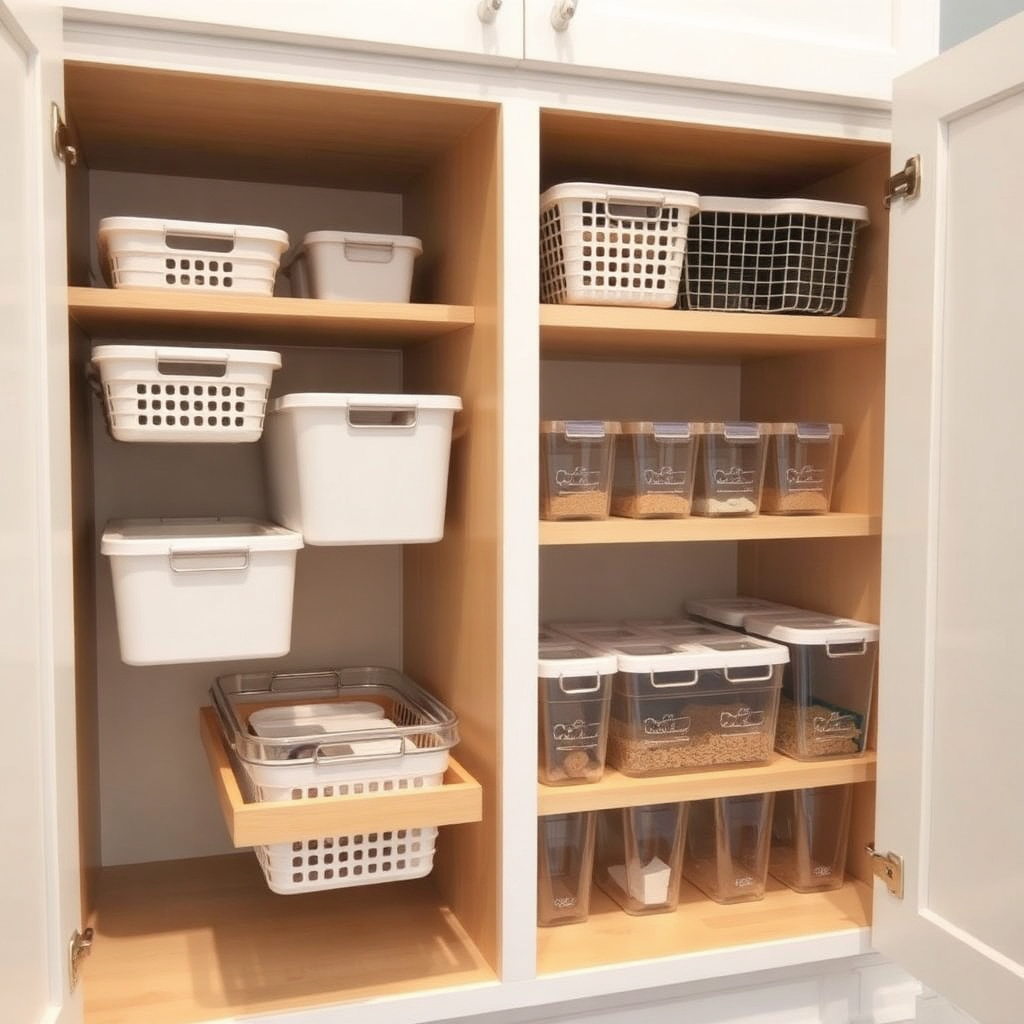
Shelf risers allow you to create additional layers within a cabinet, perfect for stacking plates or canned goods without losing visibility. Dividers help keep baking sheets, cutting boards, and trays upright and organized.
These accessories make better use of vertical space and prevent items from toppling over, making it easier to access what you need.
- Adjustable height risers
- Metal or plastic dividers
- Non-slip pads for stability
Bins, Baskets, and Containers
Using clear or labeled bins helps contain smaller items such as spice packets or snack bags. Baskets can group similar items and can be pulled out easily, improving convenience and organization.
Containers with lids protect food items from pests while stackable options save space. Choose sizes that match your cabinet dimensions to optimize storage capacity.
- Clear plastic bins for visibility
- Labeled containers for easy identification
- Stackable designs to save space
Strategic Placement for Cabinet Organization

Placing Frequently Used Items
Place the items you use daily or often at eye level or in the most accessible spots. This reduces bending or stretching and speeds up tasks like cooking or cleaning.
Keep items grouped logically, like all coffee supplies on one shelf or plates near the dishwasher, enhancing workflow and minimizing clutter.
For more on this, see our related guide: How Can You Organize Kitchen Cabinets and Drawers With 3 Simple Tips?.
Storing Bulk or Rarely Used Items
Store bulk items or things used infrequently in higher or lower cabinets where access is less immediate. Use stacking containers to keep bulky goods neat.
Rotating stock regularly helps avoid expired products lingering forgotten in far corners.
Maintaining Your Organized Cabinet Over Time

Regularly Reviewing and Reorganizing
Set a schedule to review your cabinet every few months to remove expired items and adjust the organization based on changing needs. This prevents clutter accumulation.
Seasonal adjustments might be necessary, such as adding more storage for holiday baking supplies or summer gear.
Labeling and Habit Building
Labels on bins and shelves make it clear where each item belongs, encouraging everyone in the household to return things after use. This supports long-term neatness.
Creating routines around tidying the cabinet after grocery trips or meal prep reinforces order and maximizes the benefits of your cabinet storage solutions.
- Use waterproof labels
- Create a visible system everyone can understand
- Set reminders for periodic tidying
Adapting Organization for Different Cabinet Types
Maximizing Corner Cabinets
Corner cabinets often have awkward spaces. Using lazy Susans or pull-out shelves improves accessibility and storage capacity in these deep, difficult areas.
Carefully measuring your cabinet’s interior helps choose solutions that fully utilize space without overcrowding.
For more on this, see our related guide: 10 Tips to Organize Your Kitchen Cabinets Efficiently.
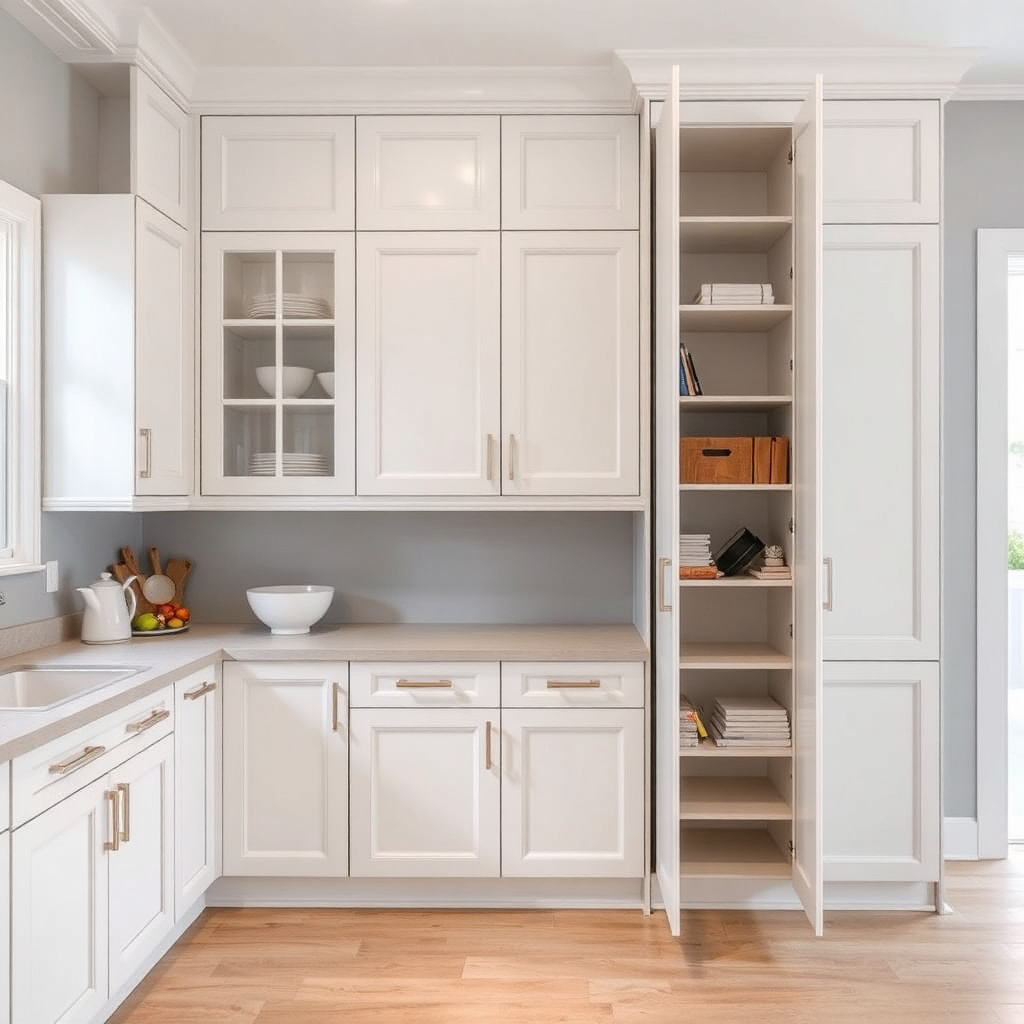
Organizing Tall Pantry Cabinets
Tall pantry cabinets benefit from adjustable shelving and pull-out racks to reach items at the back easily. Clear containers help keep items visible in deeper shelves.
Group items vertically and horizontally by type or meal prep routines to streamline kitchen workflows.
Using Cabinet Organization to Improve Kitchen Workflow
Creating Zones Based on Function
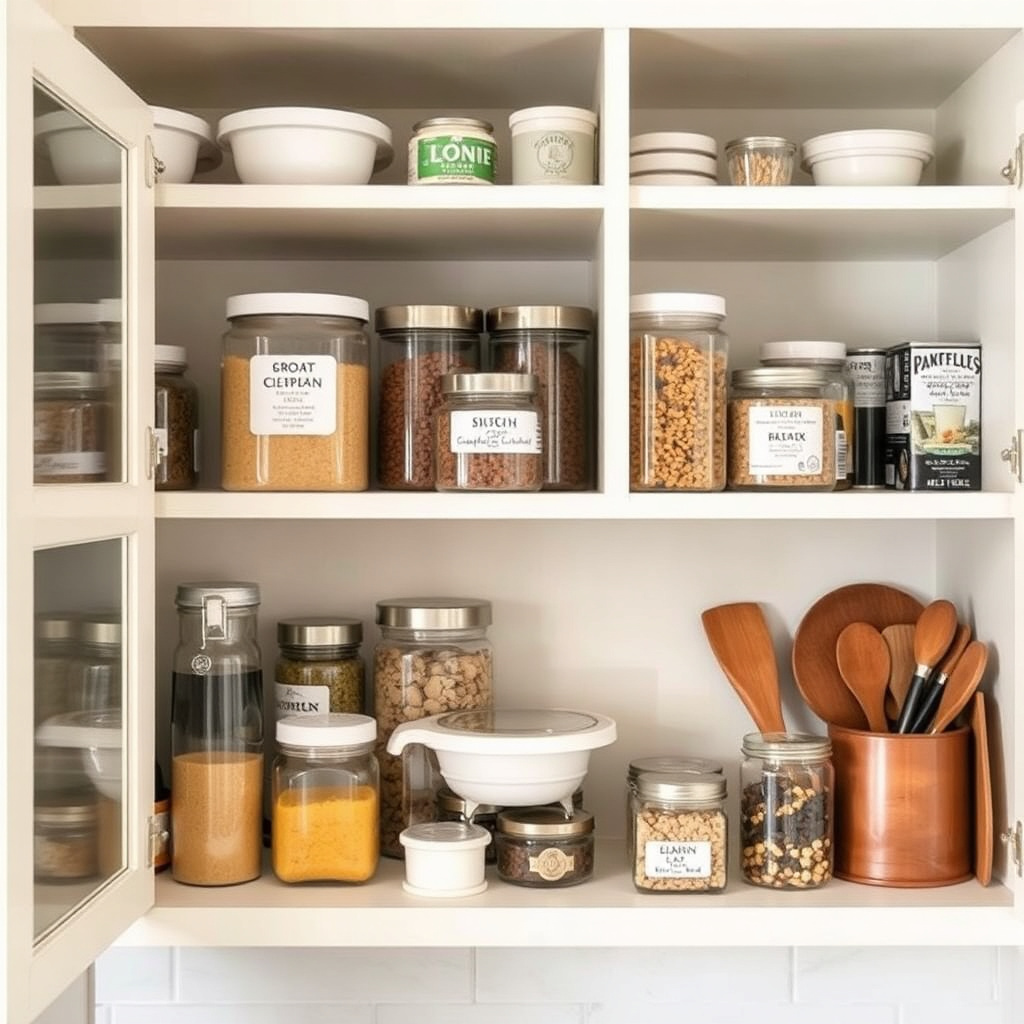
Divide cabinet space into zones such as baking, cooking, or snacks. This zoning helps you find items faster and keeps related tools close together.
For example, keep mixing bowls, measuring cups, and baking ingredients in one cabinet while storing pots and pans near the stove area.
For a more detailed understanding of cabinet types and their construction, you can visit the Cabinet (furniture) Wikipedia article. Cabinet (furniture) Wikipedia article.
Incorporating the Secondary Keyword: Cabinet Storage Solutions
Leveraging cabinet storage solutions like tiered shelves and pull-out baskets allows for better zoning by clearly defining areas within a cabinet. These tools make it easier to maintain order and adapt as your cooking habits change.
Such solutions also assist in keeping your cabinet organized, maximizing usability, and making the most of limited space.
Cabinet Organization Solutions Comparison
Here’s a comparison of common cabinet organization options based on features, cost, and ease of installation.
| Solution Type | Best For | Average Cost | Installation Complexity |
|---|---|---|---|
| Shelf Risers | Increasing vertical space | $10-$30 | Easy, no tools needed |
| Pull-Out Baskets | Deep cabinet accessibility | $25-$60 | Moderate, some assembly |
| Lazy Susan Turntables | Corner cabinets | $15-$50 | Easy to moderate |
| Clear Storage Bins | Grouping small items | $5-$40 | Easy |
| Adjustable Dividers | Organizing trays and lids | $10-$25 | Easy |
| Labeling Systems | Maintaining order | $5-$20 | Very easy |
Frequently Asked Questions
How often should I reorganize my cabinet?
Reorganizing every three to six months helps prevent clutter build-up and keeps the cabinet functional by removing expired or unused items.
What materials are best for cabinet organizers?
Plastic and metal organizers are durable and easy to clean; clear plastic is especially helpful for visibility and quick identification.
Can I organize cabinets with limited space?
Yes, using vertical storage like shelf risers and narrow pull-out baskets maximizes limited space and keeps items accessible.
What are the benefits of labeling cabinet contents?
Labels provide clear identification, helping all household members return items to their places and maintain long-term organization.
Are there storage solutions for awkward-shaped cabinets?
Lazy Susans, pull-out trays, and custom dividers work well for corner or irregularly shaped cabinets, enhancing accessibility and storage capacity.
Key Takeaways
- Empty and clean cabinets before organizing for a fresh start.
- Use cabinet storage solutions like risers and bins to maximize space.
- Place frequently used items within easy reach for efficiency.
- Maintain organization with labels and regular reviews.
Conclusion
When deciding how to organize a cabinet, balancing accessibility and space maximization is essential. The best approach combines decluttering with the thoughtful use of storage tools tailored to your cabinet’s size and shape. Maintaining zones based on usage can reduce time spent searching and streamline daily tasks.
For kitchens with standard cabinets, combining shelf risers and clear bins offers flexible storage and easy visibility. Corner cabinets benefit greatly from lazy Susans or pull-out trays, while tall pantry units perform best with adjustable shelving and containers. Adapting cabinet storage solutions to your specific needs enhances usability and keeps your kitchen organized.
To start, thoroughly clear your cabinet and sort items by function and frequency of use. Invest in practical storage tools suited to your cabinet type, label containers, and commit to periodic tidying. This system will foster a cabinet organization that supports everyday routines and keeps your space efficient and pleasing.