

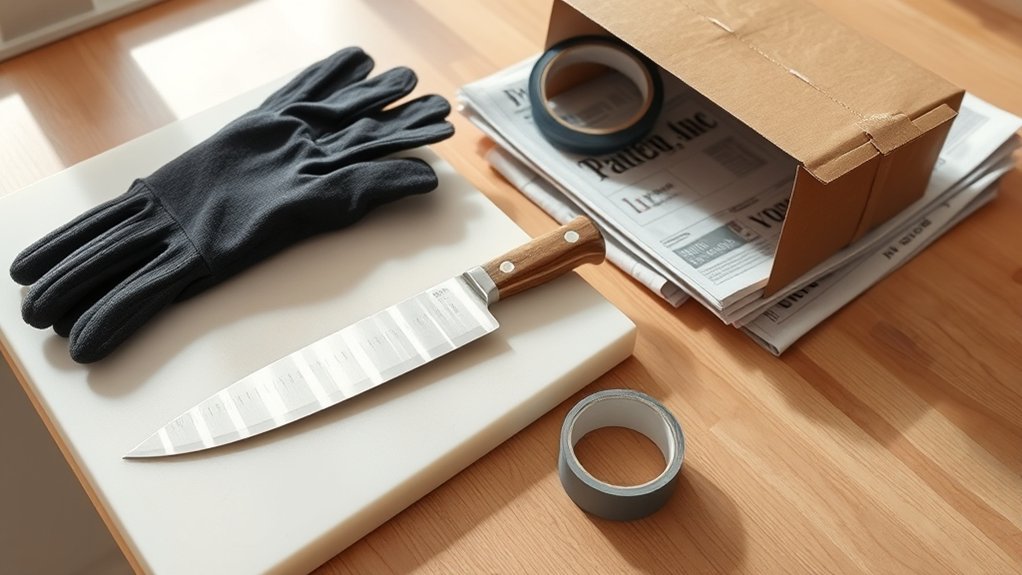
How to Dispose of Kitchen Knives in 5 Easy Steps
Getting rid of old kitchen knives can be tricky—you want to avoid injuries while making the most responsible choice. If you’re unsure how to dispose of kitchen knives safely, you’re not alone; many people struggle to find the right option.
To dispose of your kitchen knives safely, first assess and clean them thoroughly to remove any residue.
Next, wrap the blades securely using cardboard or bubble wrap to prevent injuries.
Then, decide whether to donate, repurpose, or safely trash them based on their condition. You can also drop knives off at recycling or hazardous waste centers following local guidelines.
For eco-friendly options, consider donating or repurposing your knives.
Keep going to investigate more tips on responsible disposal and reuse.
Key Takeaways
- Inspect and clean knives to ensure safety and determine if sharpening or reuse is possible.
- Wrap blades securely with cardboard or bubble wrap, taping to cover all sharp edges.
- Decide if knives can be donated, repurposed, or need disposal based on their condition.
- Verify local recycling or hazardous waste centers accept knives and follow their disposal rules.
- Use eco-friendly options like donating, repurposing, or selling knives to reduce landfill waste.
Assess and Clean Kitchen Knives Before Disposal
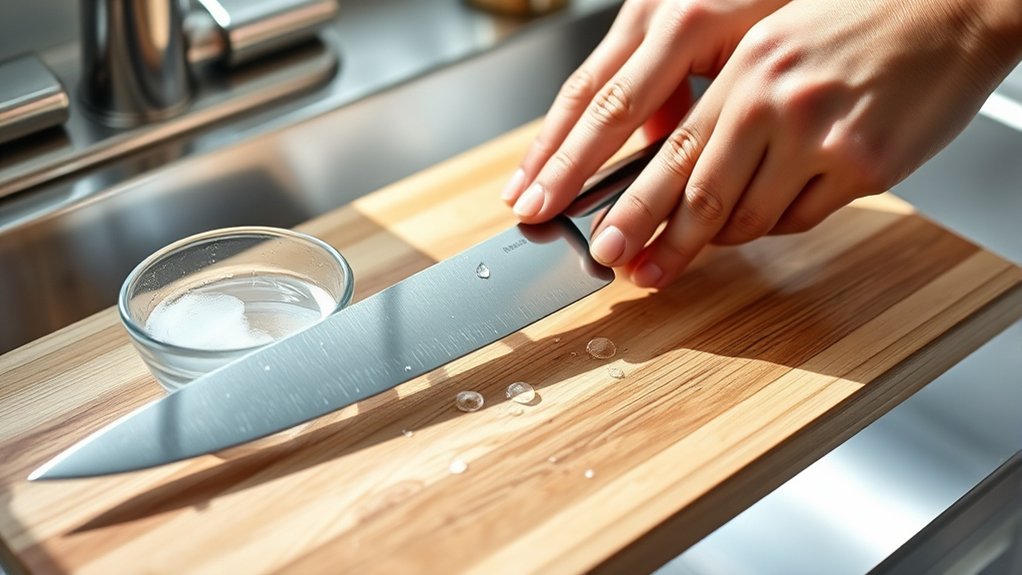
Before you dispose of your kitchen knives, you should carefully evaluate their condition and clean them thoroughly. Start by checking the blade safety—ensure there are no chips or cracks that could cause injury. If the blade is still usable, consider whether sharpening techniques might restore its edge.
Sometimes, a simple sharpen can extend the knife’s life, so don’t discard it prematurely. Clean each knife carefully with warm, soapy water to remove any food residue or bacteria. This step is essential for your safety and hygiene, especially if you plan to donate or recycle the knife.
Dry the blades completely to prevent rust, which can weaken the metal. By evaluating the blade’s condition and cleaning it well, you’re practicing responsible blade safety. This careful preparation sets the stage for safe disposal or repurposing, reducing risks for yourself and others handling the knives later.
Wrap and Secure Kitchen Knife Blades to Prevent Injuries
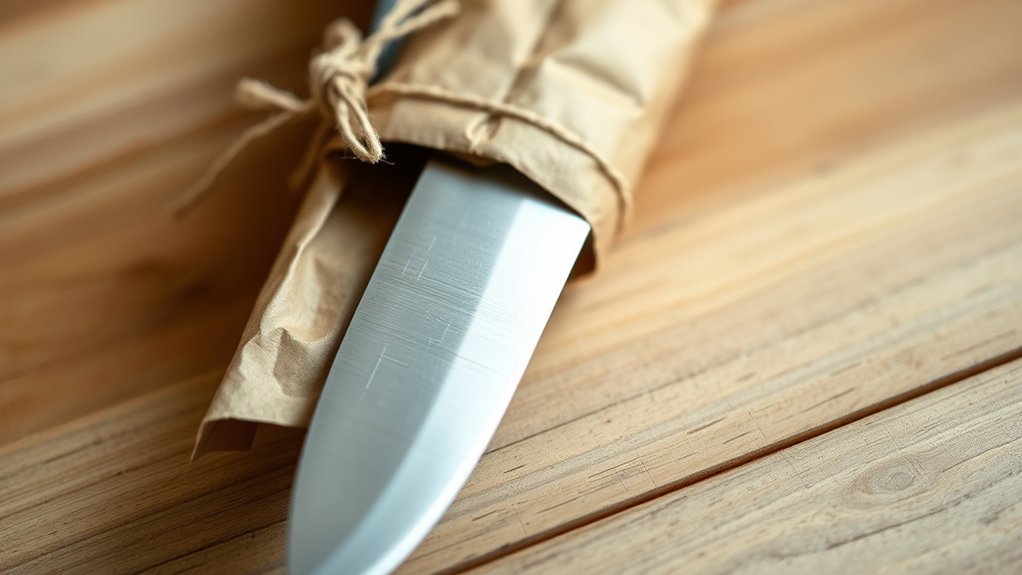
Although disposing of knives may seem straightforward, wrapping and securing their blades is essential to prevent injuries during handling and transport. You should always prioritize blade safety by properly covering the sharp edges before tossing them out or handing them over for disposal.
Start by selecting sturdy materials like thick cardboard, bubble wrap, or old towels. Use wrapping techniques that fully encase the blade, ensuring no part is exposed. Secure the wrapping with strong tape, such as duct tape, to keep it from slipping off.
For added protection, you can slide the blade into a sheath if you have one or create a custom guard from folded cardboard. This extra step not only protects your hands but also safeguards sanitation workers and others who may come in contact with the knife.
Pick the Best Way to Dispose of Your Knives
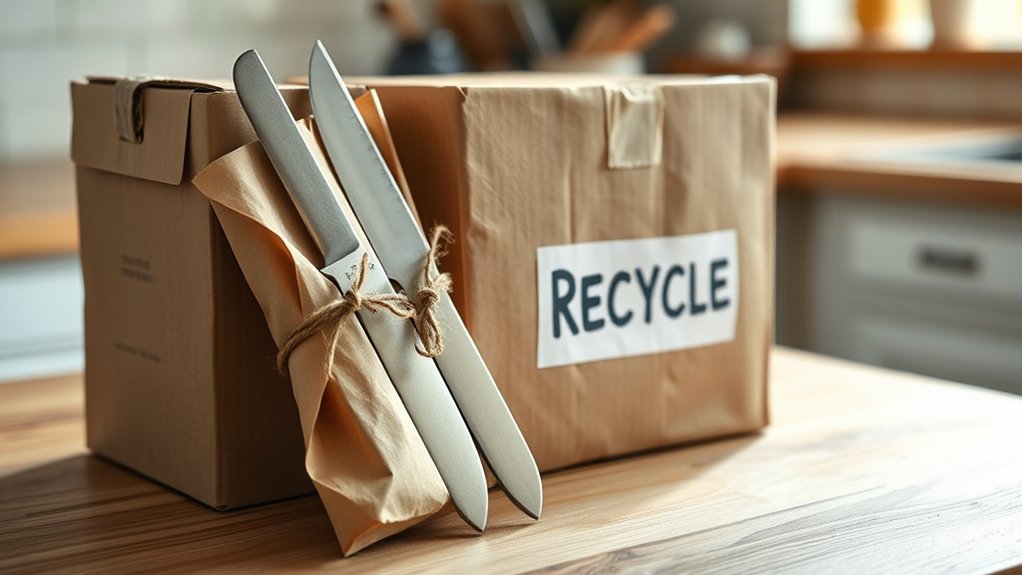
Once you’ve securely wrapped your kitchen knives to prevent injuries, the next step is choosing the best method to dispose of them. You want a way that’s safe, responsible, and suits your needs.
Consider whether the knives are still usable. If they are, knife sharpening might revive them, saving you the hassle of disposal. If not, think about how you’ve stored your knives; a sturdy knife storage system might allow you to separate blades for easier handling.
Here are some practical options to visualize:
- Donate knives in good condition to local shelters or community kitchens.
- Repurpose broken knives into garden tools or craft projects.
- Use them as scrap metal after removing handles.
- Wrap and place them securely in household waste if no recycling is available.
- Check if local stores offer trade-in or buy-back programs for old knives.
Choose the option that fits your lifestyle while prioritizing safety and sustainability.
Drop Off Knives at Recycling or Hazardous Waste Centers
If you want a safe and eco-friendly way to get rid of your kitchen knives, dropping them off at recycling or hazardous waste centers is a smart choice. These centers handle sharp objects properly, minimizing risks to sanitation workers and your community. Plus, many centers recycle metal, reducing environmental impact.
Before dropping off, check if your local facility accepts knives and follow their guidelines. Remember, dull knives can cause accidents, so consider knife sharpening before disposal if you plan to keep or donate them instead. Prioritize kitchen safety by securely wrapping knives in cardboard or plastic to prevent injuries during transport.
| Facility Type | Accepts Knives? | Safety Tip |
|---|---|---|
| Recycling Center | Usually | Wrap blades securely |
| Hazardous Waste Center | Yes | Confirm acceptance beforehand |
| Local Scrap Yard | Sometimes | Inquire about metal recycling |
This method guarantees proper disposal while promoting kitchen safety and environmental care.
Try These Eco-Friendly Knife Disposal Ideas
Recycling centers and hazardous waste facilities offer reliable ways to dispose of kitchen knives safely, but you might want to explore other eco-friendly methods that fit your lifestyle. Instead of simply discarding old blades, consider giving them a second life through sharpening and maintenance. These practices extend your knife’s usability and reduce waste.
Explore eco-friendly knife disposal by sharpening and maintaining blades to extend their life and reduce waste.
Here are some eco-friendly knife disposal ideas to try:
- Donate knives in good condition to local shelters or community kitchens.
- Repurpose blades into garden tools or craft projects.
- Exchange or sell knives online to keep them out of landfills.
- Use worn knives for non-food tasks, like opening packages.
- Organize a knife-sharpening workshop to teach blade maintenance and reuse.
Frequently Asked Questions
Can Kitchen Knives Be Donated Instead of Disposed?
Yes, you can donate kitchen knives if they’re still in good condition. Before donating, you might want to contemplate knife sharpening to guarantee they’re safe and effective for the next user. Also, check with the organization about their knife storage solutions to make sure they can handle sharp items properly. Donating your knives helps reduce waste and gives them a second life in someone else’s kitchen.
How to Safely Transport Knives to Disposal Centers?
Over 50,000 people visit emergency rooms yearly due to knife injuries, so prioritizing knife safety is essential.
When transporting knives to disposal centers, wrap each blade in thick cardboard or bubble wrap to prevent cuts. Use a sturdy, closed container or a knife roll for secure transportation.
Always label the package clearly. These transportation tips help you avoid accidents and protect both yourself and those handling the knives afterward.
Are There Legal Restrictions on Disposing of Knives?
Yes, you’ll find legal regulations on disposing of knives vary by location, so you should check your local laws first. Many areas have specific disposal guidelines to prevent injury or misuse, like requiring blades to be wrapped securely or dropped off at designated centers.
Following these rules guarantees you’re disposing of knives safely and legally. Don’t just toss them in the trash without proper precautions or you might face fines or other penalties.
What to Do With Antique or Collectible Knives?
Think of antique or collectible knives as time capsules holding stories and craftsmanship. You should protect their antique value by avoiding careless disposal. Instead, focus on collectible preservation—store them in a dry, padded case and keep them away from moisture or harsh handling.
If you’re unsure about their worth, get an expert appraisal. That way, you honor their history and maybe even turn a profit while preserving their legacy for future generations.
Can Broken Knife Handles Be Recycled Separately?
You usually can’t recycle broken knife handles separately because they’re often made from mixed materials like plastic, wood, or composite that recycling centers don’t accept. Instead, consider knife sharpening or blade replacement to extend your knife’s life before disposal.
If a handle breaks, check if the manufacturer offers blade replacement options. This way, you won’t waste the whole knife, and you’ll avoid tossing parts that aren’t recyclable in standard programs.
Conclusion
Disposing of your kitchen knives safely is essential, especially since over 30,000 people visit emergency rooms annually due to knife injuries at home. By evaluating, cleaning, wrapping, and choosing the right disposal method, you protect yourself and others.
Whether you drop them off at recycling centers or try eco-friendly options, you’re making a smart, responsible choice. Following these simple steps for how to dispose of kitchen knives safely supports both personal safety and environmental care.