
How to Organize Your Kitchen Cabinets for Maximum Efficiency
Organizing your kitchen cabinets starts with categorizing your items and designating specific zones for similar tools, cookware, and pantry goods. By keeping frequently used items within easy reach and grouping related items together, you can streamline your cooking process and reduce clutter drastically.
A well-ordered kitchen cabinet setup matters because it increases functionality and ease during meal prep, saving time and reducing frustration. It also helps maintain cleanliness and extends the life of your kitchenware by preventing damage from overcrowding or improper storage.
This article will cover strategies for sorting cabinet contents, techniques for maximizing space including creative storage solutions, and tips on maintaining your organized kitchen. Whether you have limited space or plenty of cabinets, you'll find actionable advice tailored to your needs.
Assessing and Categorizing Kitchen Cabinet Contents
Sorting Items by Frequency of Use
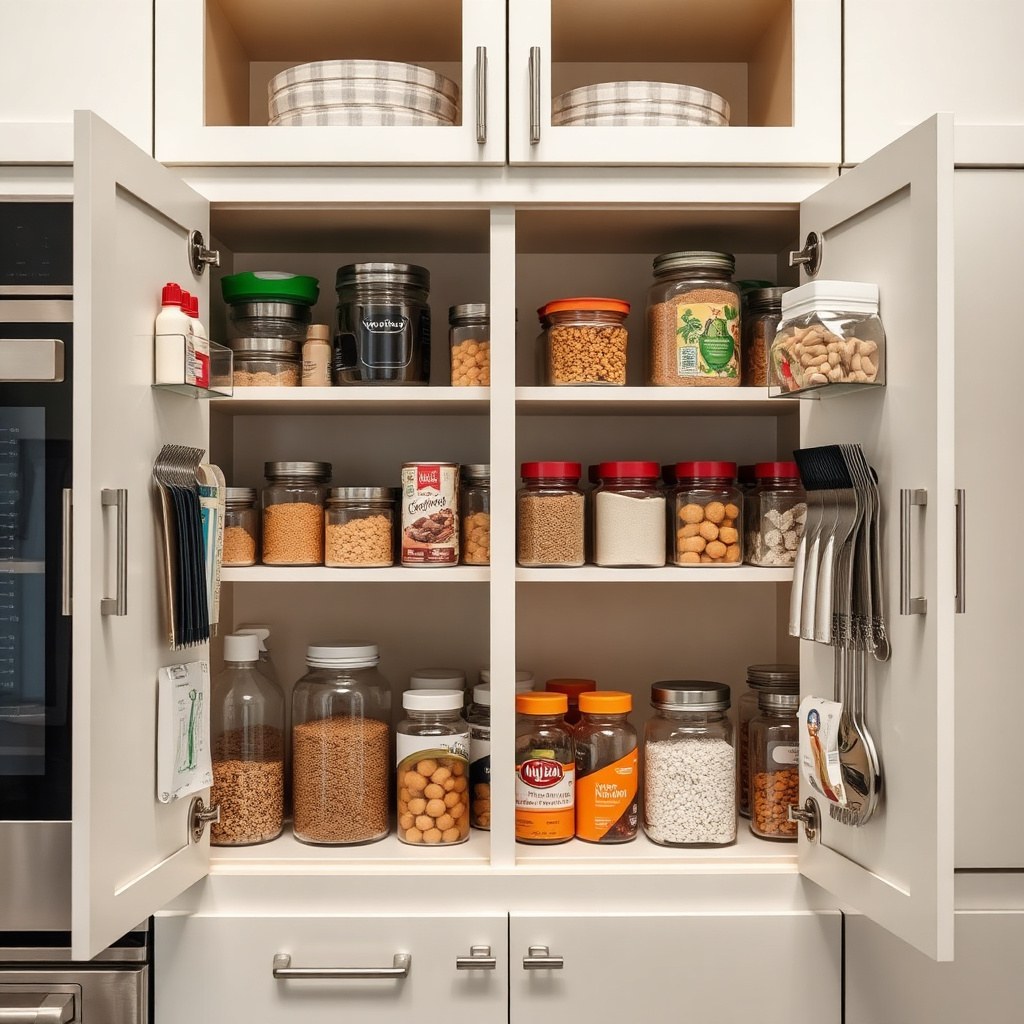
Start by reviewing everything inside your cabinets and removing items you rarely use or that are expired. Group your kitchenware into categories based on how often you access them; everyday essentials like plates and utensils should be most accessible.
Placing seldom-used appliances or seasonal dishes in harder-to-reach cabinets ensures essential items are prioritized. This sorting helps you focus on functionality and streamlines space to what you really need within arm’s reach.
Grouping Similar Items Together
Group items based on purpose or type, such as baking tools, pots and pans, spices, or canned goods. This approach reduces time spent searching for what you need and keeps your workspace organized.
Labeling shelves or using clear storage containers helps maintain these groups and provides quick visual cues for locating specific items. Consistency in grouping encourages maintaining order long term.
Maximizing Space with Kitchen Storage Ideas
Utilizing Vertical and Hidden Spaces
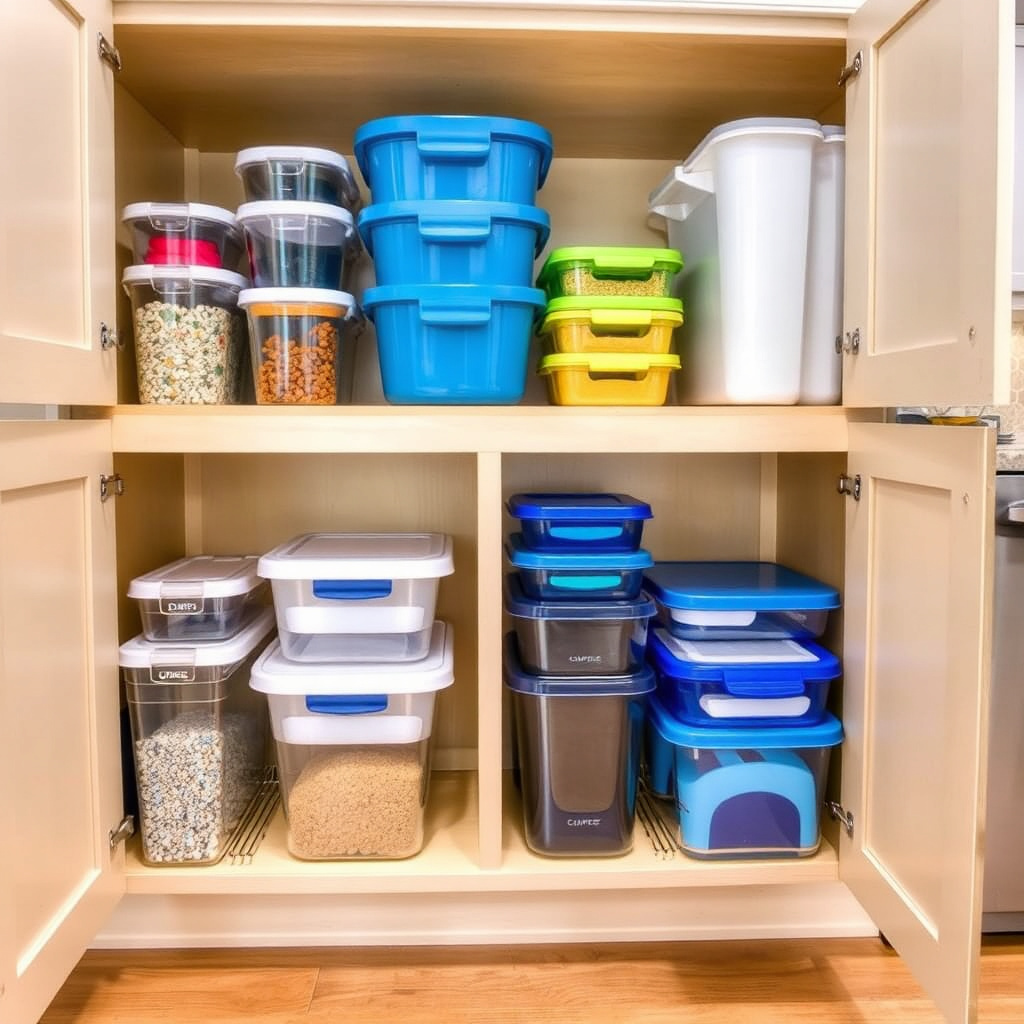
Make full use of vertical space by installing tiered racks or adjustable shelves within cabinets. This technique prevents stacking items precariously and allows easier access to items at the back.
Doors of cabinets can also be outfitted with rack holders or hooks to store lids, cutting boards, or measuring spoons, reclaiming often overlooked space and boosting storage capacity.
- Tiered spice racks
- Over-the-door organizers
- Stackable clear bins
- Adjustable shelf inserts
For more on this, see our related guide: 10 Tips to Display Cutting Boards on Your Kitchen Counter.
Incorporating Specialized Organizers
Drawer dividers, pull-out baskets, and lazy Susans help optimize drawer and cabinet floor space while preventing clutter. They also provide dedicated spots for utensils, lids, and small appliances.
Choosing organizers that fit your cabinets’ dimensions ensures maximum efficiency. A mix of these aids tailored to your kitchen layout can greatly improve cabinet usability.
- Pull-out wire baskets
- Lazy Susans for corner cabinets
- Utensil tray dividers
- Custom-fit shelf risers
Designating Zones for Convenience and Efficiency
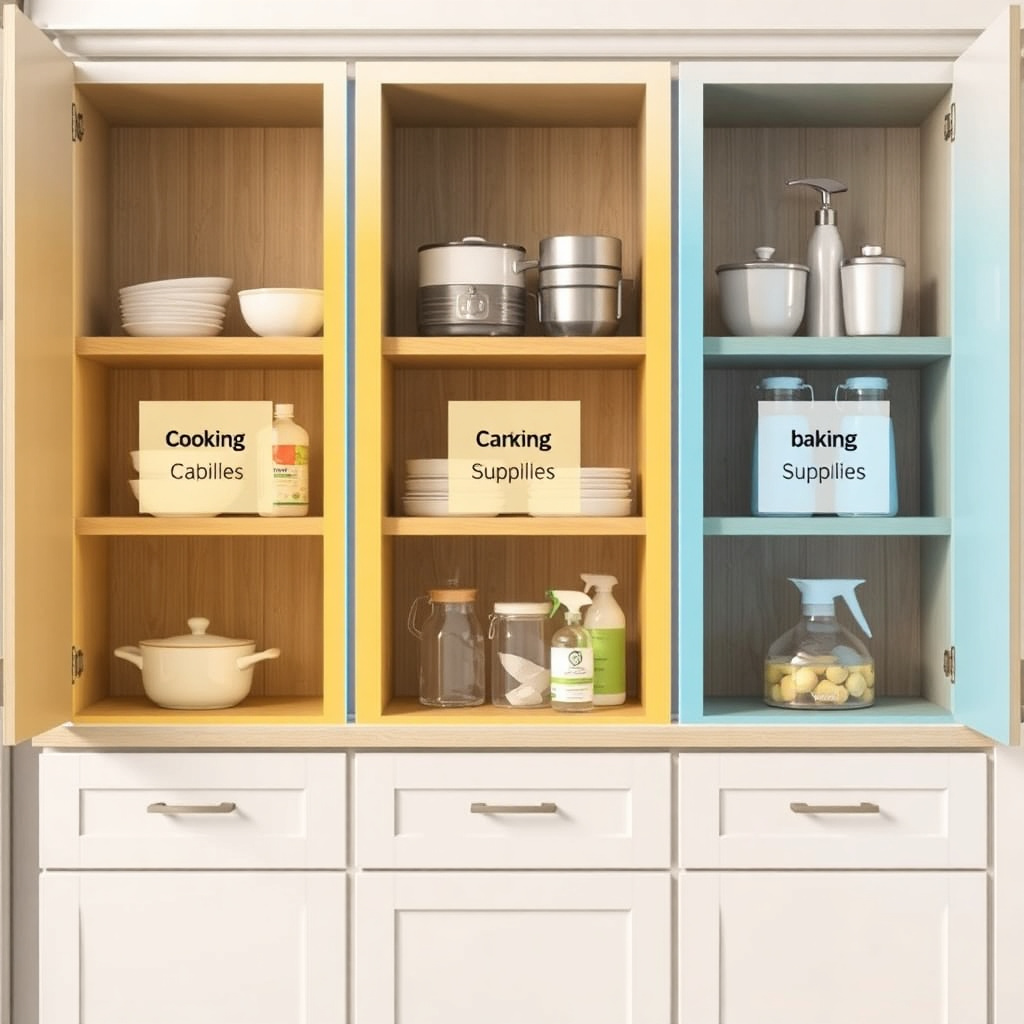
Cooking and Preparation Zone
Allocate a cabinet or a group of cabinets near your stove and countertop specifically for items used in meal prep such as pots, pans, oils, and frequently used utensils.
Keeping these items together minimizes movement during cooking and creates a logical flow, improving kitchen workflow.
Cleaning and Pantry Zones
Store cleaning supplies under the sink away from food items for safety, using bin organizers to prevent spills. For pantry items, designate shelves based on item types like canned goods, grains, and snacks.
Grouping pantry goods makes it easier to track inventory and manage expiration dates, which contributes to reducing food waste.
Maintaining an Organized Kitchen Cabinet System

Regular Decluttering and Cleaning
Routine checks every few months prevent clutter from accumulating and allow you to reorganize as your inventory changes. Empty cabinets, wipe shelves thoroughly, and assess which items are needed or redundant.
This maintenance keeps your kitchen cabinets tidy and functional by avoiding buildup of unused items that can restrict space.
For more on this, see our related guide: How to Fit a Kitchen in 7 Simple Steps.
Adapting to Changing Needs
Your kitchen use might shift with new appliances or lifestyle changes so remain flexible. Rearranging zones or upgrading storage solutions can improve efficiency as your needs evolve.
Regularly revisiting your kitchen storage ideas helps sustain convenience and ensures the organization system continues to work well for your habits.
Organizing Kitchen Cabinets with Safety and Accessibility in Mind
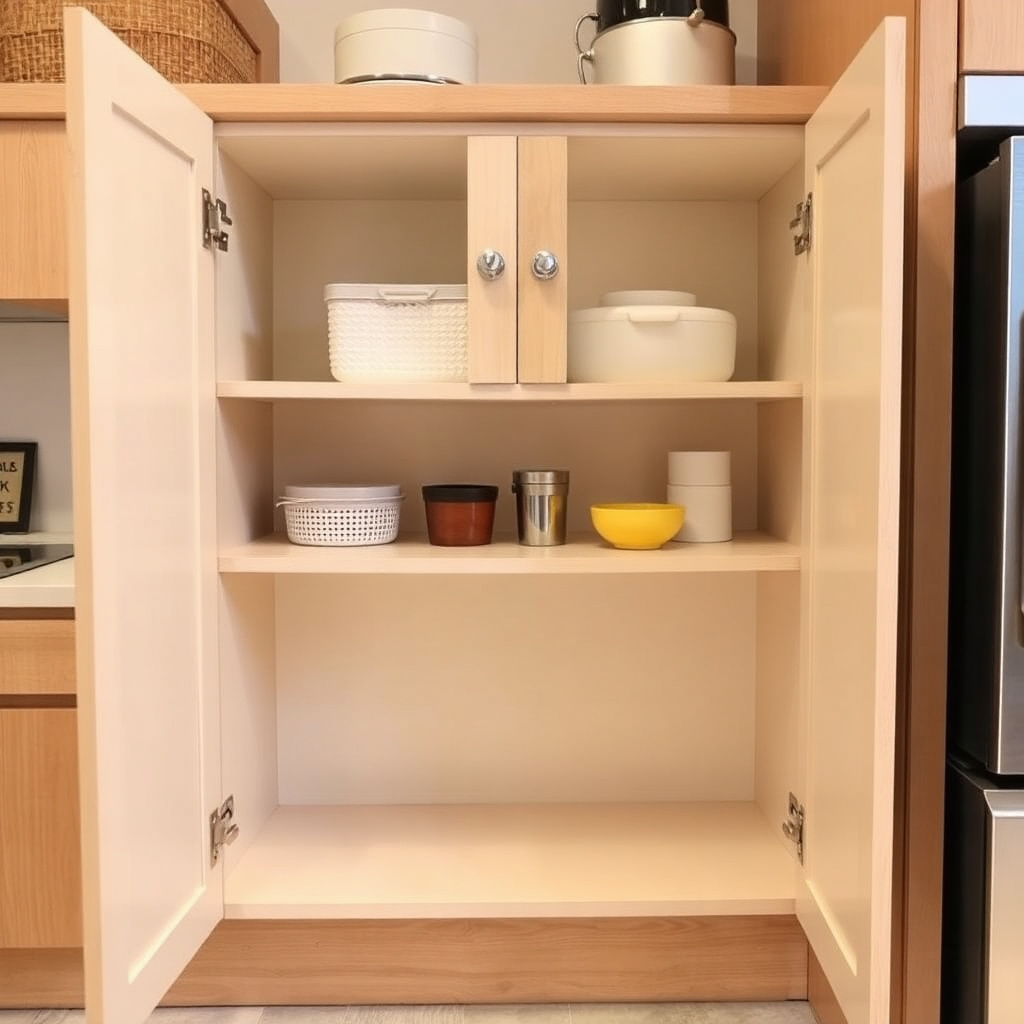
Safe Storage for Hazardous Items
Keep sharp tools and cleaning chemicals in secured cabinets, preferably out of reach of children. Using child-proof locks or high shelves for these items enhances safety.
Clearly separating these items from food storage areas prevents accidental contamination and promotes a safer kitchen environment.
For more insights on reducing kitchen waste and effectively organizing your cooking space, explore these kitchen organization tips. kitchen organization tips.
Improving Accessibility for All Users
Consider installing pull-out shelves or lazy Susans to make reaching items easier for people with limited mobility. Placing frequently used items at waist or eye level caters to convenience.
Accessible designs reduce strain and improve independence in the kitchen, making daily tasks smoother.
Kitchen Cabinet Organization Methods Compared
Here’s a comparison of common kitchen cabinet organization techniques to help you decide which best suits your space and cooking habits.
| Method | Best For | Cost | Ease of Implementation |
|---|---|---|---|
| Zone-Based Organization | Streamlined workflow | Low | Easy |
| Use of Specialized Organizers | Maximizing small cabinet space | Medium | Moderate |
| Vertical and Door Storage | Increasing capacity | Low | Easy |
| Full Cabinet Overhaul | Major kitchen redesign | High | Complex |
Frequently Asked Questions
How often should I reorganize my kitchen cabinets?
A good practice is to reorganize and declutter your kitchen cabinets every 3 to 6 months to keep items tidy and eliminate expired products.
What’s the best way to store pots and pans in cabinets?
Stack pots and pans with lids separated or use vertical dividers to prevent scratching and make accessing each piece easier.
Can I store food directly in kitchen cabinets without containers?
It's best to use airtight containers for food storage in cabinets to keep items fresh and protect against pests or moisture.
How can I make kitchen cabinets more accessible for elderly family members?
Installing pull-out shelves or lazy Susans and placing frequently used items at waist or eye level improves accessibility effectively.
Are drawer organizers useful in kitchen cabinets?
Yes, drawer organizers keep utensils and small items separated, preventing mess and making it easy to find what you need quickly.
Key Takeaways
- Group kitchen items by use and frequency to prioritize accessibility.
- Use vertical space and cabinet doors to expand storage capacity.
- Designate zones such as cooking, baking, and cleaning for efficiency.
- Maintain organization through regular decluttering and adapting storage.
Conclusion
Effectively organizing your kitchen cabinets involves thoughtful categorization, smart utilization of storage space, and consistent upkeep. Starting with assessing what you own and how often you use items establishes a foundation where your kitchen tools are both accessible and neatly stored. This approach reduces clutter and supports smoother daily cooking and cleaning routines by minimizing unnecessary searching and movement.
For various needs, different methods can offer helpful solutions. Zone-based organization works well for those seeking efficiency in busy kitchens, while incorporating specialized storage products like pull-out baskets or lazy Susans optimizes smaller cabinet spaces. Vertical and door-mounted storage options expand capacity without costly renovations. Maintaining your organization system by periodically cleaning and adapting as your kitchen habits evolve keeps things functional over time.
Take practical steps today by first clearing out unused items and grouping essentials, then experimenting with storage ideas that suit your unique kitchen layout. Whether upgrading with organizers or simply rethinking your zones, the goal is a kitchen cabinet arrangement that fits your lifestyle and makes meal prep effortless. Once organized, your kitchen will not only look better but also feel more inviting and easy to use.