
How to Decorate Your Kitchen: Stylish and Practical Ideas
Decorating your kitchen can instantly improve both its appearance and functionality. By combining style with practicality, you can create a space that is welcoming, organized, and reflective of your personality. Whether your kitchen is small or large, modern or traditional, thoughtful decoration can make it feel like the heart of your home.
The kitchen is often the most used room in the house, serving as a cooking area, social hub, and sometimes a workspace. Because of this, how you decorate matters not just for aesthetics but for your daily comfort and convenience. A well-decorated kitchen enhances your mood and productivity while impressing guests.
This article covers key aspects of how to decorate your kitchen, including choosing color schemes, selecting materials, organizing storage, incorporating lighting, and adding personal touches. You'll also find practical kitchen decoration ideas suited to different styles and budgets.
Choosing a Color Scheme for Your Kitchen

Understanding Color Psychology in the Kitchen
Colors influence mood and appetite, making their selection important in kitchen decoration. Warm colors like reds and oranges can stimulate appetite and energy, while cool tones such as blues and greens create a calming effect. Neutral shades like whites and grays provide a versatile base and can make small kitchens appear larger.
When choosing a color scheme, consider how the hues interact with natural and artificial light. Bright colors in well-lit kitchens feel cheerful, whereas darker shades add coziness in larger spaces. Balance your palette with accent colors to avoid overwhelming the room.
Popular Color Combinations and Trends
Popular kitchen color schemes currently include white cabinets paired with navy or forest green accents, and earthy tones blended with matte black fixtures. Two-tone cabinets are also trendy, allowing for mixing light and dark shades to add depth.
You can integrate color through paint, backsplashes, countertops, or accessories. Staying aware of style trends helps maintain a fresh look, but timeless combinations like white and wood remain reliable choices.
- White and navy blue
- Teal and warm wood tones
- Gray and black accents
- Soft pastels with white cabinetry
Materials and Finishes to Complement Your Style

Selecting Countertop and Cabinet Materials
Countertop materials vary from durable granite and quartz to budget-friendly laminate. Natural stone offers longevity and elegance but requires maintenance, while quartz combines durability with low upkeep. Consider your cooking habits and cleaning preferences when deciding.
Cabinet materials range from solid wood to MDF with veneer finishes. Solid wood adds warmth and character, especially in farmhouse or rustic kitchens, while sleek lacquered or matte finishes fit modern aesthetics.
- Granite for durability and style
- Quartz for low maintenance
- Wood for warmth
- Laminate for affordability
Finishes and Textures for Visual Interest
Mixing finishes like shiny chrome handles with matte cabinets creates contrast that catches the eye without clutter. Textured tiles or backsplashes can serve as focal points and break monotony in minimalistic kitchens.
Avoid too many competing textures to maintain cohesion. Instead, focus on two or three complementary ones, such as smooth countertops with patterned tiles and matte cabinet doors.
Organizing Storage Efficiently

Maximizing Space with Smart Storage Solutions
Effective storage keeps the kitchen tidy and functional by minimizing clutter. Utilize vertical space with wall-mounted shelves or hanging racks for pots and utensils. Pull-out drawers and lazy Susans inside cabinets allow easy access to items in corners or deep shelves.
Consider modular storage units tailored to your kitchen dimensions. Label containers and use clear jars for visibility. Efficient storage encourages consistent upkeep and enhances usability.
- Wall-mounted racks
- Pull-out cabinet drawers
- Stackable containers
- Corner lazy Susans
For more on this, see our related guide: 5 Easy Tips to Decorate Your Kitchen Island.
Decluttering: What to Keep Accessible
Keep everyday items like cutting boards, knives, and frequently used spices within arm’s reach. Store less-used appliances or seasonal cookware in higher cabinets or pantry. This arrangement reduces time spent searching during meal prep.
Regularly review kitchen tools for functionality and discard duplicates or broken pieces. Maintaining a streamlined inventory contributes to a more inviting and manageable kitchen space.
Lighting to Brighten and Define Your Kitchen
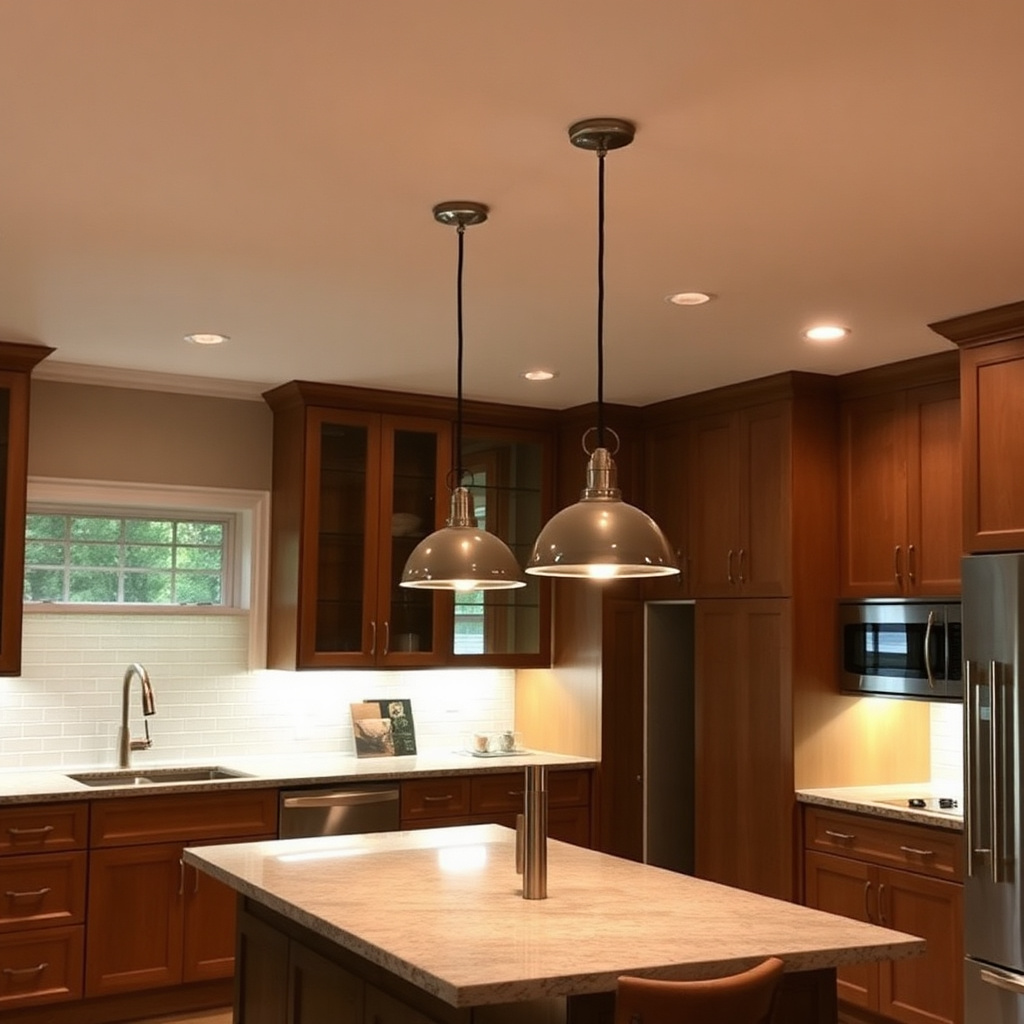
Types of Kitchen Lighting and Their Roles
Effective kitchen lighting combines ambient, task, and accent layers. Ambient lighting provides overall illumination, often through recessed ceiling lights. Task lighting, such as under-cabinet LEDs or pendant fixtures above work areas, ensures safe and efficient cooking.
Accent lighting highlights architectural details or decorative elements like glass-front cabinets or backsplashes. Balancing these layers heightens both functionality and ambiance.
- Ambient lighting: ceiling fixtures
- Task lighting: under-cabinet strips
- Accent lighting: LED spotlights
Energy-Efficient and Stylish Lighting Options
LED bulbs consume less power and last longer, making them ideal for kitchens. Dimmable options allow mood control for different activities or times of day. Fixtures range from minimalist flush mounts to industrial-style pendants that serve as statement pieces.
Choosing lighting designs that complement your kitchen’s color scheme and finishes enhances cohesiveness. Warm light tones work well in traditional kitchens, while cool white suits contemporary palettes.
Personal Touches and Decorative Accents
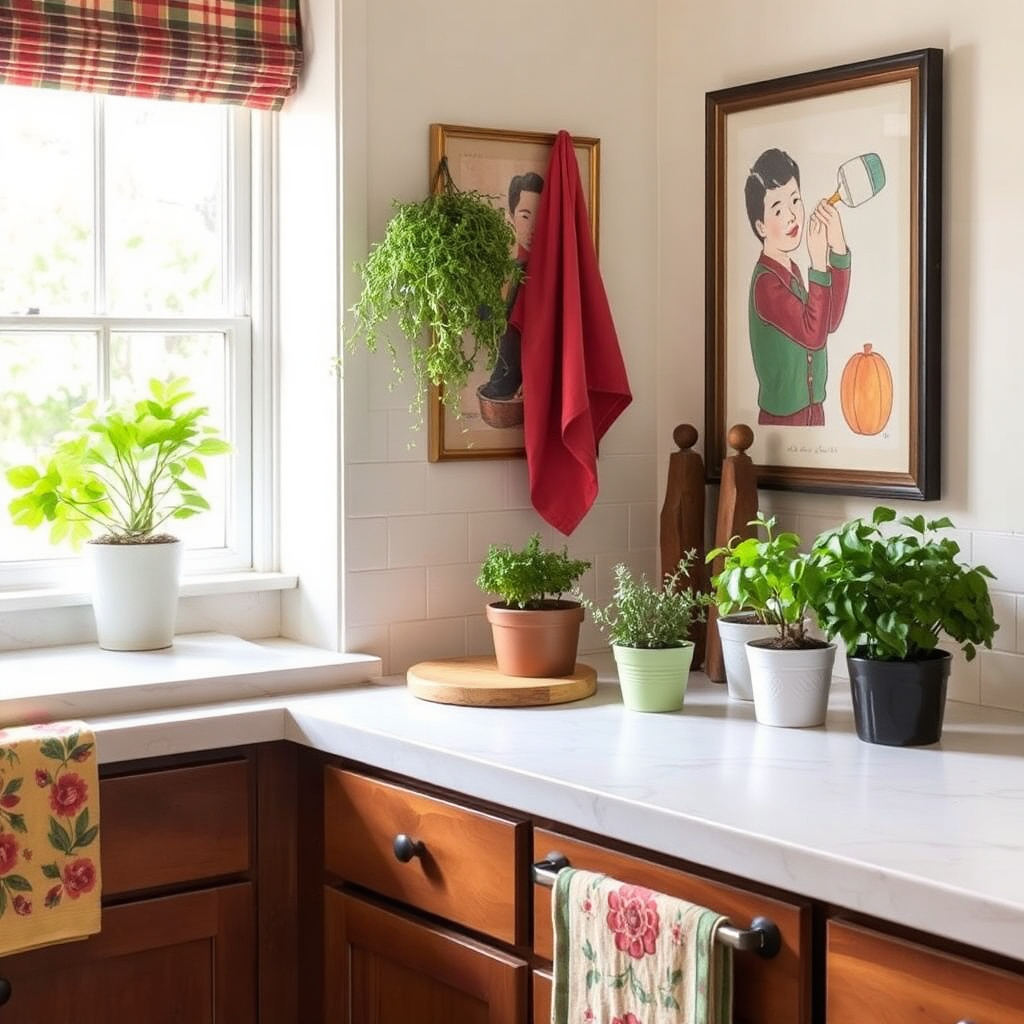
Incorporating Plants and Textiles
Adding potted herbs or small indoor plants brings freshness and natural color to your kitchen. They also serve functional purposes, such as using fresh herbs in cooking. Textiles like patterned dish towels, rugs, and seat cushions personalize the space and add softness.
Choose moisture-resistant fabrics and rotate plants to get enough sunlight. These elements invite warmth and vitality, making the kitchen feel lived-in and vibrant.
- Potted herbs on windowsills
- Moisture-resistant rugs
- Colorful dish towels
- Cushioned seating pads
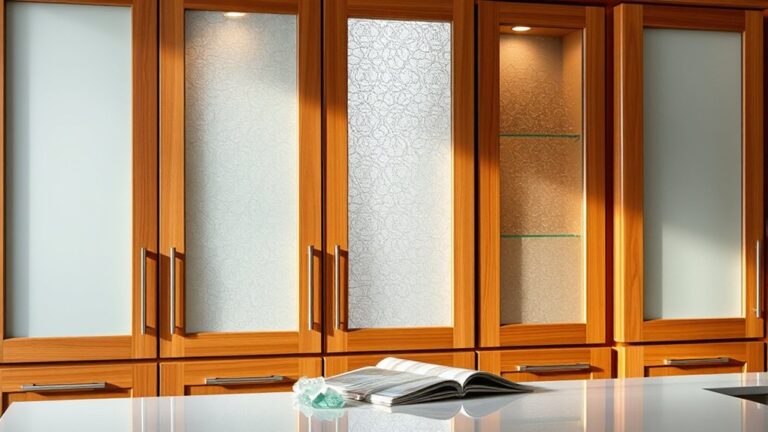
For more on this, see our related guide: How to Style Glass Kitchen Cabinets With 3 Easy Tips.
Using Art and Decorative Items Thoughtfully
Art prints, chalkboard walls, or vintage signs can give your kitchen character without overcrowding. Display treasured dishware or cookbooks openly to merge decoration with practicality.
Keep decorations clutter-free by focusing on well-chosen pieces that reflect your style. Seasonal decorations also refresh the mood without hefty investments.
Choosing Appliances That Blend with Your Décor
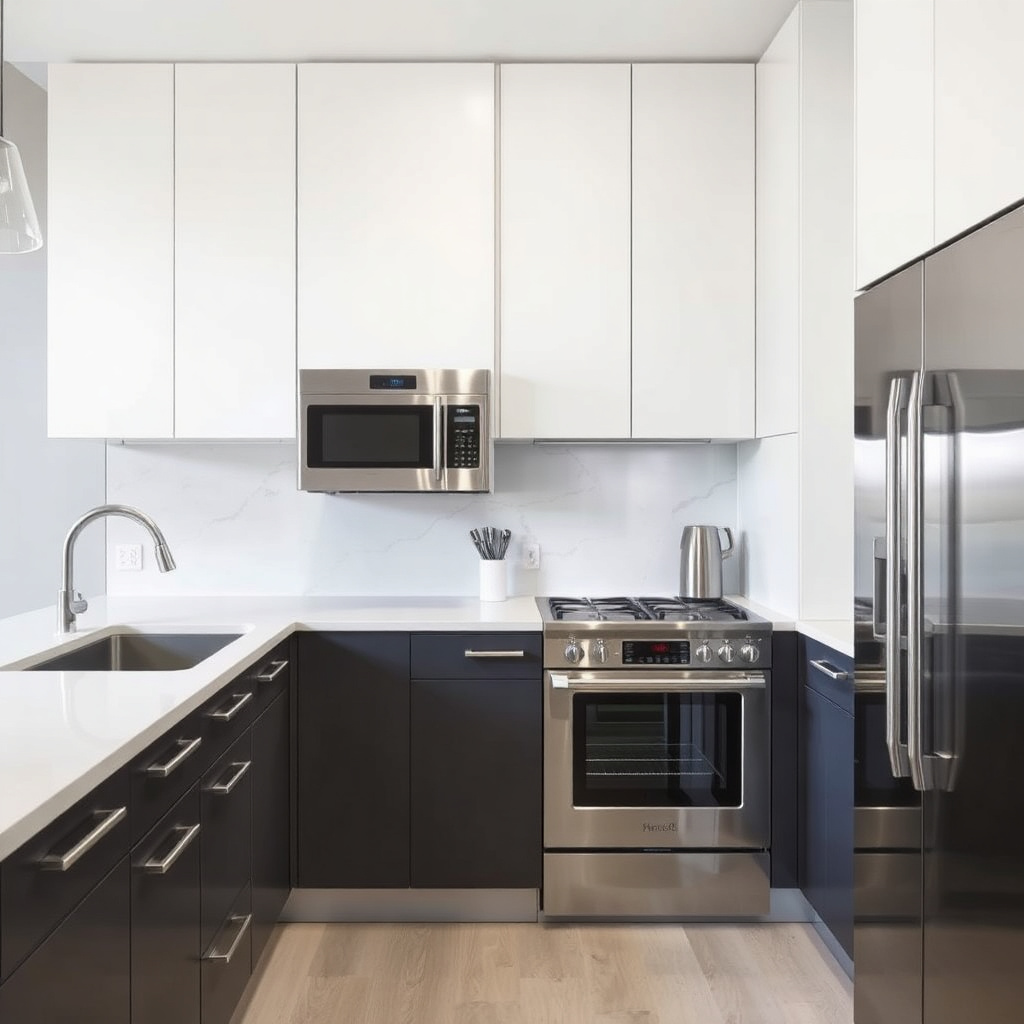
Integrated vs. Freestanding Appliances
Integrated appliances install flush with cabinetry for a seamless look, ideal for streamlined modern kitchens. They hide behind matching panels, helping maintain design consistency. Freestanding models are easier to replace and can serve as focal points when selecting stylish finishes.
Consider your kitchen layout and renovation plans before choosing. Integrated models often require professional installation and higher upfront costs.
- Integrated appliances blend with cabinets
- Freestanding appliances offer flexibility
For more insights on kitchen layouts and styles, see the Kitchen design page on Wikipedia. Kitchen design on Wikipedia.
Selecting Appliance Finishes
Most kitchens feature stainless steel appliances for their durability and neutral tone, which complements many color schemes. Black stainless steel offers a trendy, darker alternative easy to coordinate with darker cabinets or stone surfaces.
For a retro or eclectic style, colorful or pastel appliances add charm. Matching appliance finishes to cabinet hardware or counter edges helps unify the kitchen’s style.
Kitchen Decoration Ideas Category Comparison
The table below compares different kitchen decoration ideas based on style impact, budget, and ease of implementation.
| Decoration Idea | Style Impact | Budget | Ease of Implementation |
|---|---|---|---|
| Updating Color Scheme | High | Low to Medium | Easy |
| Installing New Cabinets or Finishes | High | High | Moderate to Difficult |
| Adding Smart Storage Solutions | Medium | Medium | Moderate |
| Upgrading Lighting Fixtures | Medium to High | Medium | Easy to Moderate |
| Incorporating Plants and Textiles | Low to Medium | Low | Easy |
| Replacing Appliances | High | High | Difficult |
Frequently Asked Questions
How can I decorate a small kitchen without making it feel crowded?
Use light color schemes and minimalistic furniture to keep the space open. Incorporate vertical storage and multipurpose items to avoid clutter. Reflective surfaces and good lighting also help make small kitchens feel larger.
What are budget-friendly ways to refresh kitchen decoration?
Switching out hardware like cabinet handles, adding a new backsplash, or introducing colorful textiles can refresh your kitchen without large expenses. Rearranging and decluttering also make a significant impact.
How do I balance aesthetics and functionality in kitchen decoration?
Prioritize practical storage and durable materials while selecting decorative items that complement your style without causing clutter. Good lighting and workflow layout enhance both beauty and usability.
Can I mix different kitchen design styles successfully?
Yes, combining styles like modern and rustic can create unique charm if you maintain cohesion through color palettes and material choices. Introducing elements gradually prevents style clashes.
What lighting setup works best in a multifunctional kitchen?
Layered lighting with bright ambient light, focused task lights above work areas, and accent lights for ambiance gives flexibility. Dimmers allow you to adjust depending on use.
Key Takeaways
- Color selection influences kitchen mood and size perception.
- Materials and finishes should combine durability with style.
- Efficient storage helps keep the kitchen tidy and functional.
- Layered lighting enhances both practicality and atmosphere.
Conclusion
Making decisions about how to decorate your kitchen involves balancing style preferences with practical needs. Understanding the effect of color schemes, material choices, and lighting design will guide you to a space that fits your daily habits and aesthetic desires. The main keyword, how to decorate your kitchen, relates directly to creating a space tailored to your lifestyle rather than following fleeting trends. Putting thought into organizing storage and choosing finishes ensures your kitchen remains both beautiful and comfortable for years.
If you want a contemporary look, focusing on cool color palettes, integrated lighting, and sleek materials can make your kitchen modern and inviting. For more traditional or rustic styles, warmer colors, textured backsplashes, and wood elements build character and warmth. Affordable decoration ideas such as updating hardware or adding plants can refresh spaces without major renovation. Whatever style you choose, prioritizing workflow and clutter-free storage will have a meaningful impact on how you experience your kitchen.
A helpful next step is to start by analyzing what you like and what could be improved in your current kitchen, then experiment with paint samples or small decorative accents. Gradually incorporating changes based on your lifestyle needs will make decorating your kitchen a satisfying project. This practical approach aligns well with the goal of making your kitchen both a charming and efficient hub of your home.