
How to Organise My Kitchen Cupboards for Maximum Efficiency
Organising kitchen cupboards efficiently means arranging items so you can access what you need quickly while maximizing space. Start by decluttering: remove expired goods and rarely used items. Next, group similar items together and store the most-used essentials within easy reach. This approach transforms chaotic cupboards into practical, user-friendly storage.
A well-organised kitchen cupboard saves time during meal prep and decreases stress caused by clutter or searching for misplaced items. Since kitchens are busy spaces, having designated spots for spices, pots, pans, and groceries keeps everything orderly. This matters because it directly improves your cooking experience and keeps your kitchen looking clean.
This article will guide you through various strategies to organise your kitchen cupboards, ranging from categorizing your items and choosing the right storage tools to optimising space vertically and maintaining order long term. You’ll also find comparisons of common cupboard layouts and answers to frequently asked questions about kitchen organisation.
Understanding Kitchen Cupboard Zones
The Importance of Zoning Your Kitchen Cupboards
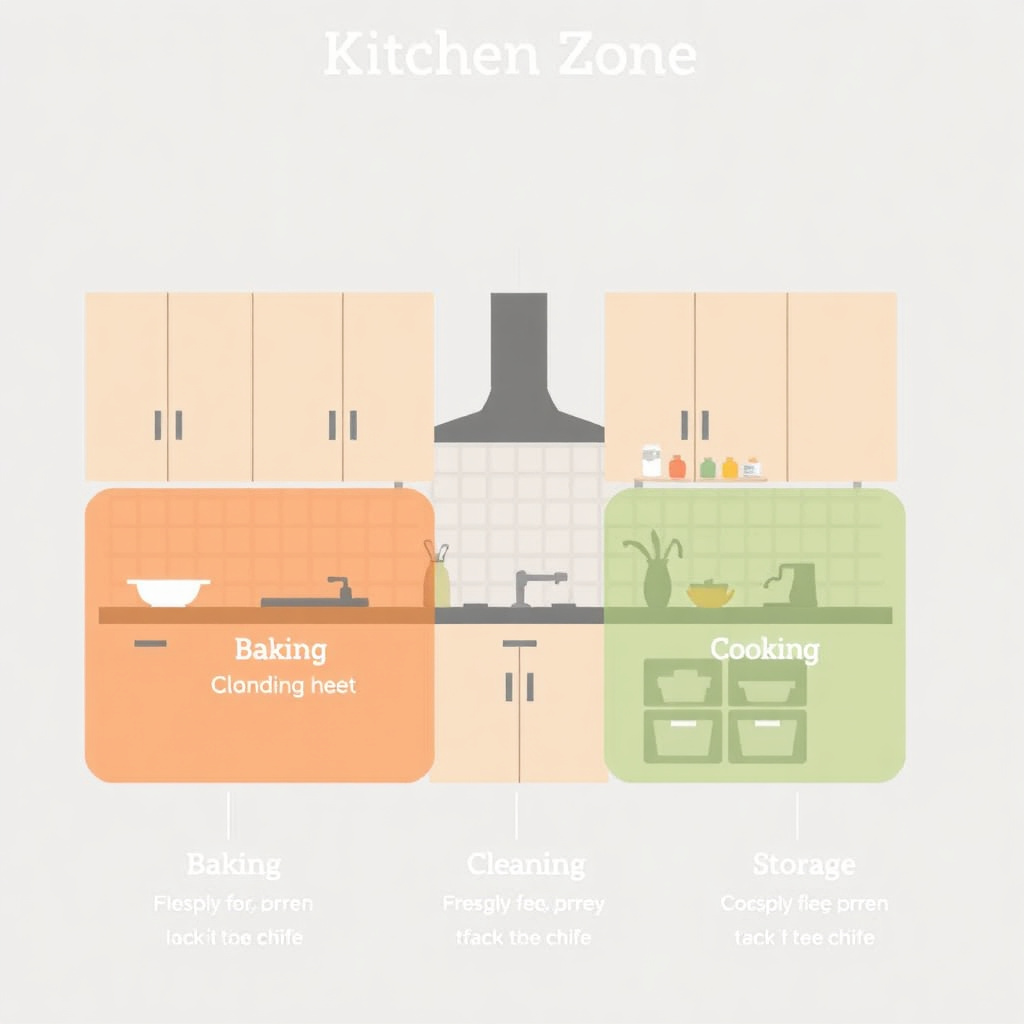
Creating zones in your kitchen cupboard means grouping items based on how and when you use them. This zoning reduces the time spent moving around the kitchen and makes cooking smoother. Typical zones include baking supplies, cooking utensils and cookware, cleaning products, and food storage.
Setting up zones also helps you decide where to place each category, like keeping pots and pans near the stove and baking trays close to where you measure ingredients. This makes grabbing what you need instinctive rather than a hunt.
- Baking zone: flour, sugar, baking powder
- Cooking zone: pots, pans, spatulas
- Cleaning zone: dish soap, sponges
- Food storage: canned goods, snacks
How to Identify the Best Zones for Your Kitchen
Think about your cooking habits and the layout of your kitchen to decide the ideal zones. If you bake frequently, prioritize easy access to baking ingredients. If you cook multiple meals daily, place everyday cookware near the stove and prep area.
Also consider who uses the kitchen and how. For example, if children help with snacks, designate lower cupboards for kid-friendly items. Adjust zones to fit your personal routines for maximum efficiency.
Decluttering and Categorizing for Kitchen Cupboard Storage
Why Decluttering is Central to Organising Kitchen Cupboards
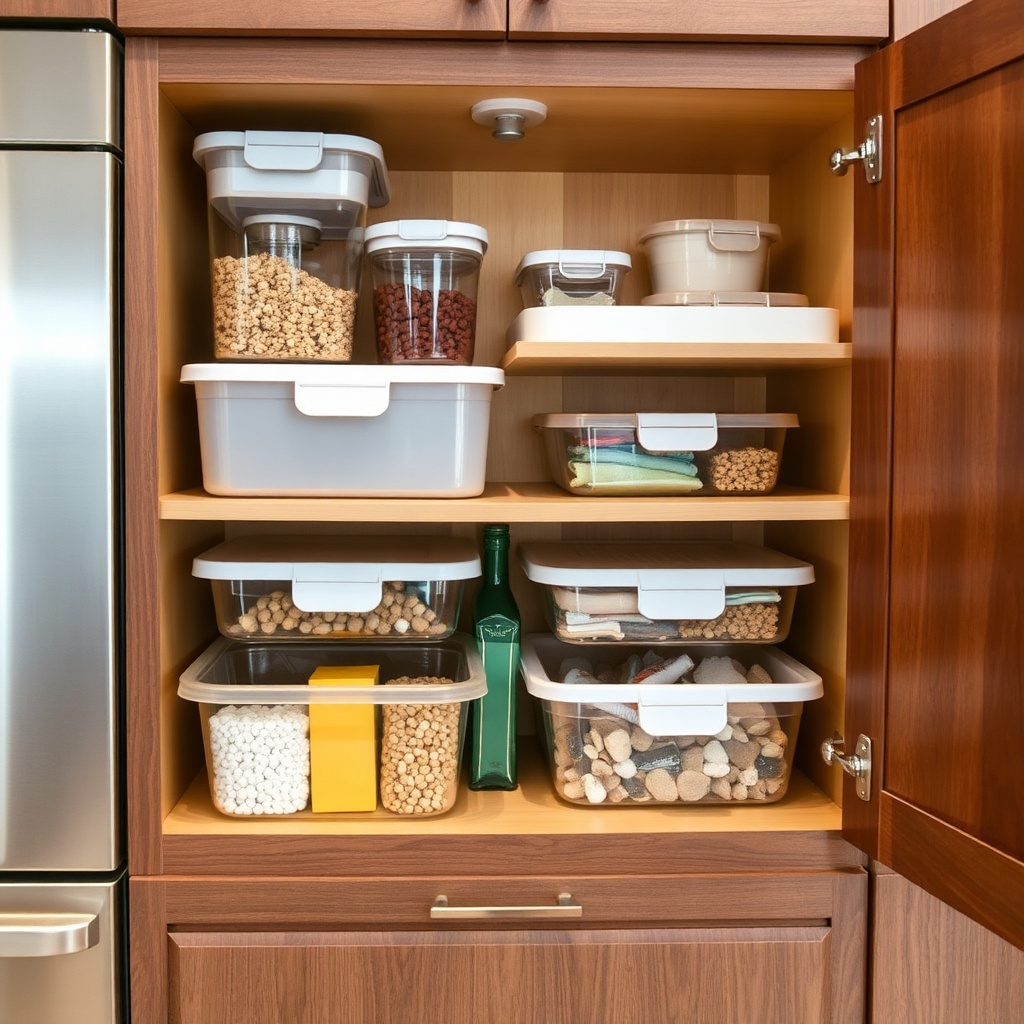
Before organising, start by removing items you no longer use or that are expired. Clutter crowds your cupboards and makes finding items difficult. This initial step clears space and lets you focus on a manageable amount of items worth storing.
Discarding duplicates and expired spices or canned goods helps improve your kitchen’s functionality. Donate what you can if items are still good but unused.
- Check expiration dates on food
- Donate unused kitchen gadgets
- Recycle broken or damaged items
Grouping and Categorizing for Easy Access
Once decluttered, group items by function or type. Keep spices together in a rack or drawer organizer. Store plates and bowls stacked by size. Arrange canned goods by type and frequency of use.
Using clear containers with labels can consolidate loose items and make categories obvious at a glance. This helps in quickly spotting what you need without disorder.
- Use transparent storage bins
- Label shelves and containers
- Keep like items side-by-side
Choosing the Right Storage Solutions
Utilising Shelf Risers and Pull-Out Racks
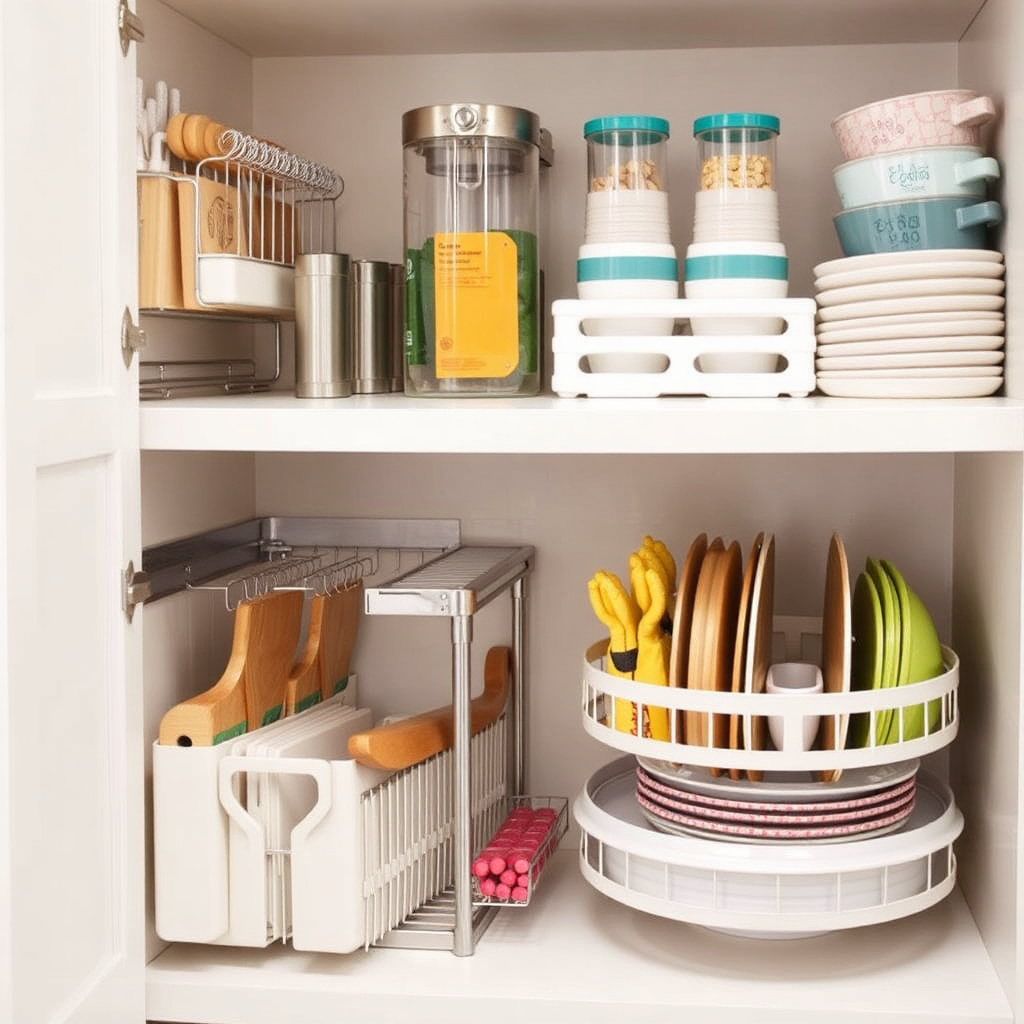
Shelf risers add vertical space, allowing you to stack plates or mugs without crowding. Pull-out racks are excellent for deep cupboards, letting you access items at the back without removing everything in front.
These solutions make better use of cupboard height and depth, turning wasted space into practical storage. They also reduce the risk of items toppling over.
- Double cupboard space vertically
- Improve visibility of items
- Reduce clutter with easy access
Incorporating Lazy Susans and Drawer Organizers
Lazy Susans rotate 360°, ideal for corners or spice storage, bringing items into easy reach. Drawer organizers keep utensils and smaller items separated and tidy, preventing jumbling and saving time hunting for tools.
Combining these with transparent containers enhances the ability to quickly grab what you need without rearranging surfaces constantly.
- Maximise corner cupboard use
- Separate utensils by type
- Maintain order with compartments
Maximising Vertical and Hidden Spaces in Kitchen Cupboards
Using Vertical Storage to Optimise Cupboard Capacity
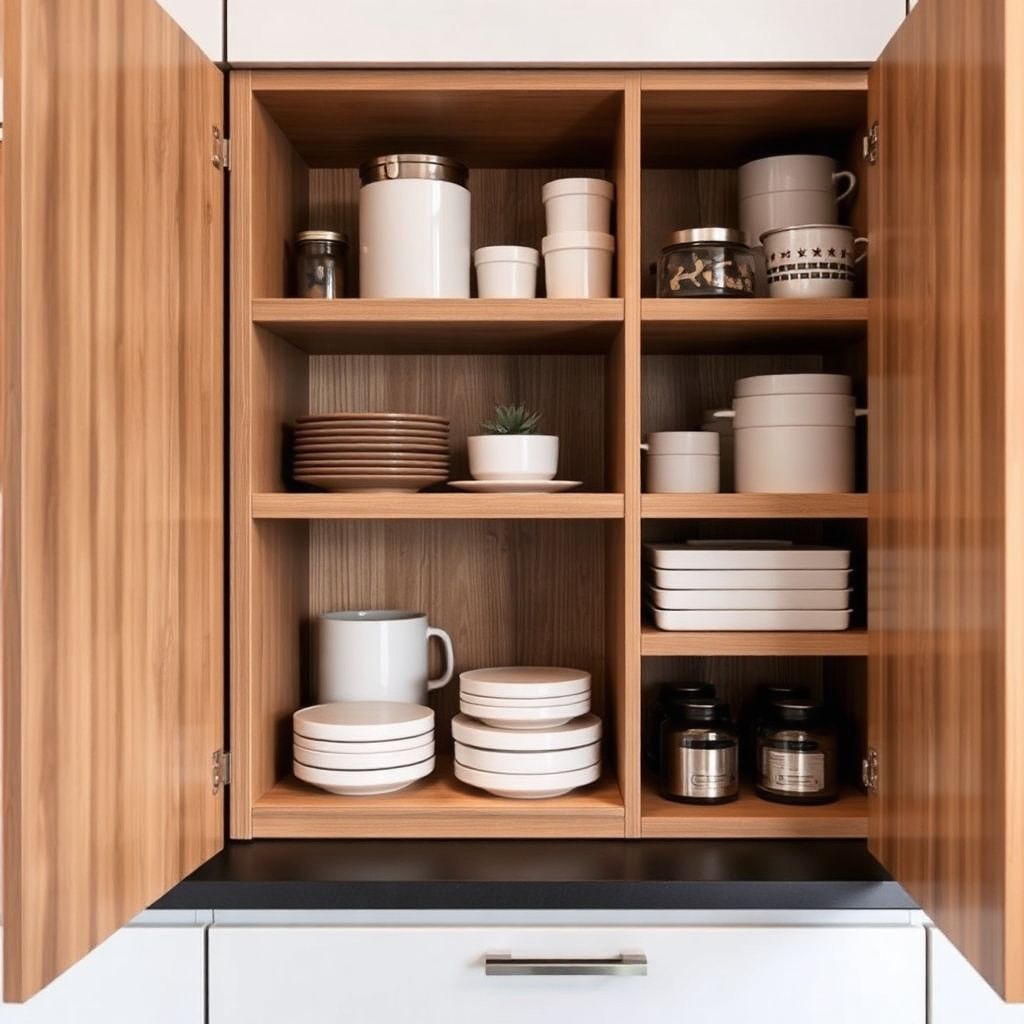
Storing cutting boards, trays, or baking sheets vertically saves horizontal space and prevents stacking that can lead to damage. Vertical dividers keep these items upright and easily retrievable.
This approach helps keep frequently used flat items accessible without disturbing other stored goods.
- Install vertical dividers
- Store lids or trays upright
- Prevent scratching and clutter
Hidden Storage Ideas to Keep Cupboards Neat
Use the inside of cupboard doors for mounted racks or hooks to hold measuring spoons, pot lids, or spice jars. Magnetic strips can store knives or metallic tools safely yet out of the way.
These hidden spots expand your storage options and reduce counter clutter, keeping the kitchen looking streamlined.
- Install door-mounted racks
- Add magnetic strips for utensils
- Use hooks for hanging items
Maintaining Order and Reorganising Regularly
Simple Habits to Keep Your Kitchen Cupboards Organised
Put items back in their designated spots immediately after use to avoid gradual mess buildup. Regularly check expiration dates and purge items during monthly kitchen cleaning.
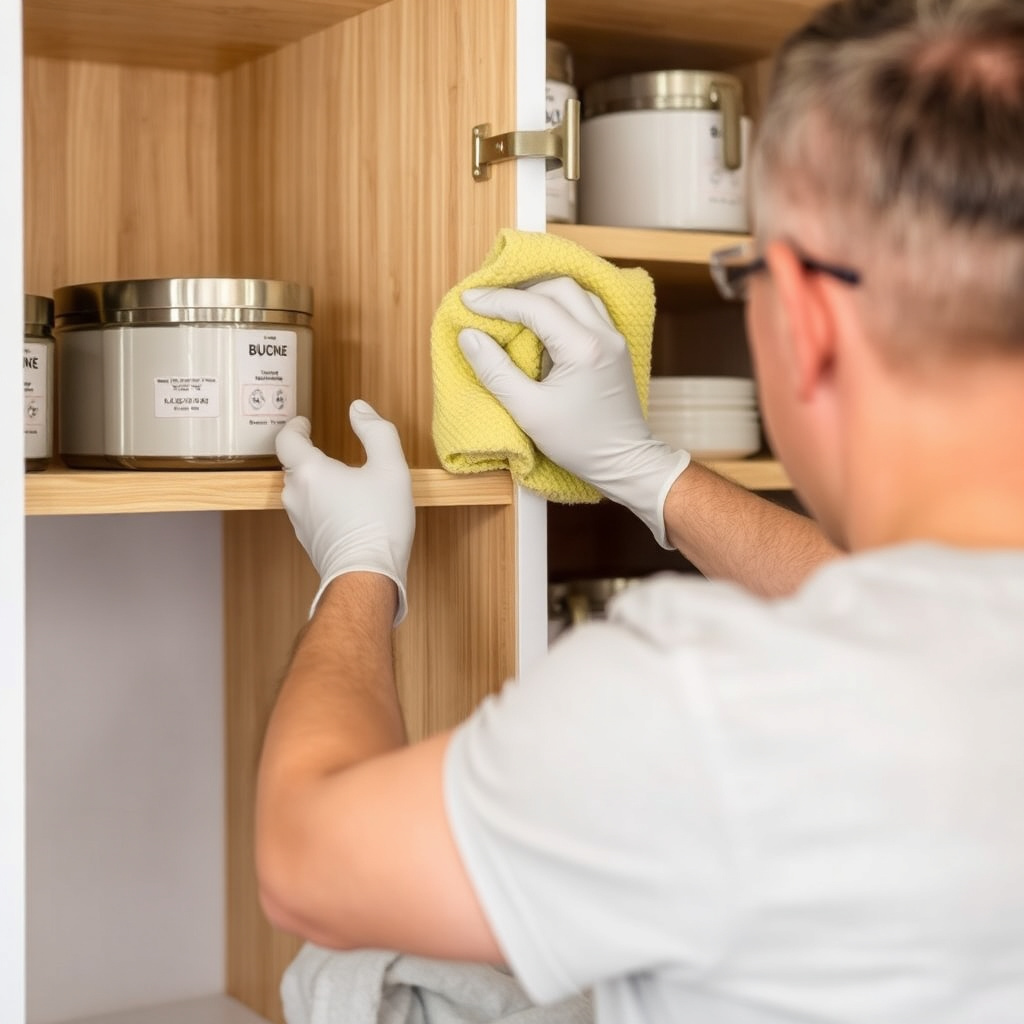
Wiping cupboard shelves prevents sticky residues and keeps shelves visually clean, making it easier to notice disarray early and fix it quickly.
- Return items after each use
- Monthly purge of expired goods
- Clean shelves regularly
When and How to Reorganise Your Kitchen Cupboards
Reorganise seasonally or whenever you notice clutter growing. Take everything out, clean surfaces, and reassess your storage system. Adjust zones or storage tools based on changing needs, such as new kitchen gadgets or cooking habits.
This periodic reset prevents cupboards from becoming overwhelming and ensures your system evolves with your lifestyle.
How to Organise My Kitchen Cupboards for Different Kitchen Sizes
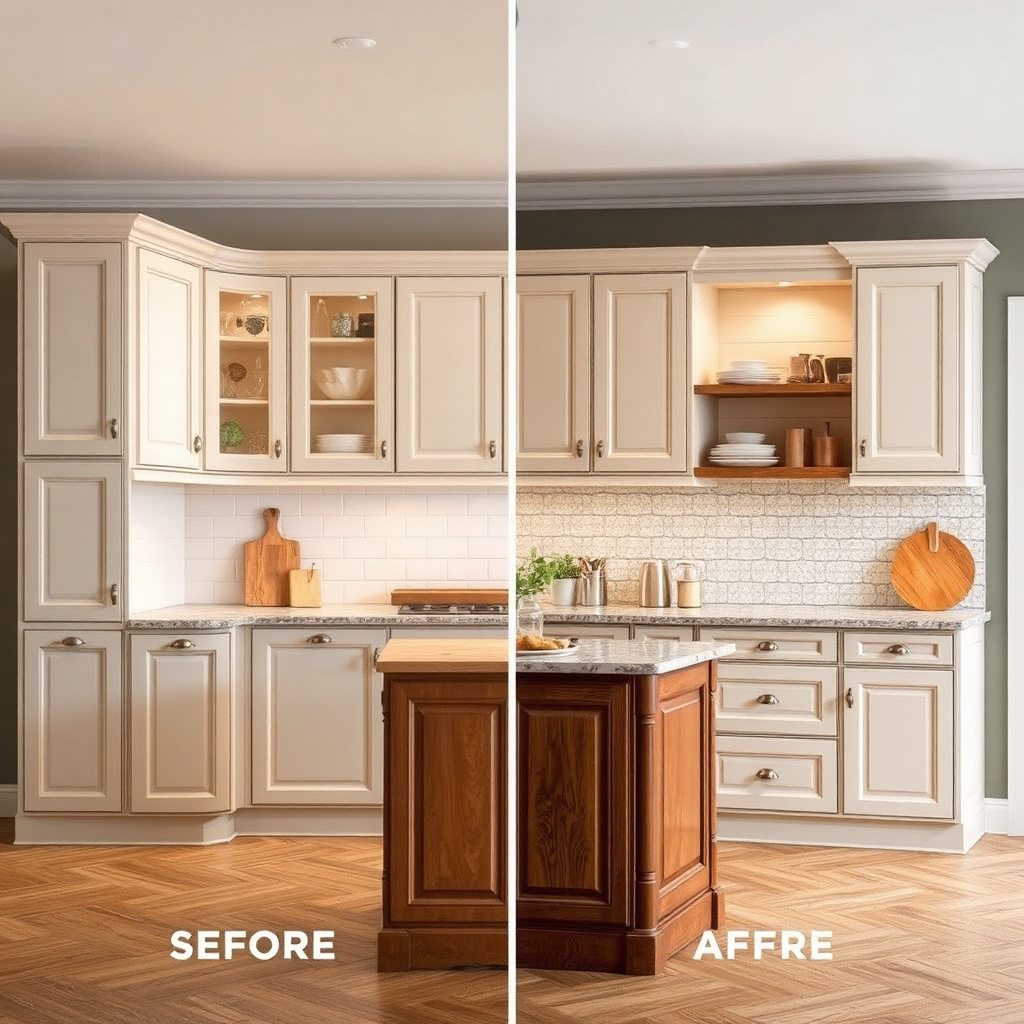
Strategies for Small Kitchen Cupboards
In small kitchens, focus on compact storage solutions like slim pull-out shelves and stackable containers to maximise limited space. Prioritize what you use daily and store occasional items elsewhere if possible.
Use vertical space aggressively and consider multi-function containers to reduce clutter. Decluttering is especially critical since every inch matters.
- Slim pull-out shelves
- Stackable clear containers
- Vertical dividers for trays
For additional insights into kitchen layouts and organisation, check out these kitchen organisation tips. kitchen organisation tips.
Organising Larger Kitchens with More Cupboard Space
Larger kitchens offer diverse options, but without focus, can accumulate clutter. Use zoning and grouping precisely to avoid wasting cupboard space. Install multiple storage accessories to create subzones within cupboards for different item types.
With more space, keep infrequently used or seasonal items stored higher or in less accessible cupboards, keeping commonly used items front and center.
- Create multiple zones per cupboard
- Store seasonal tools separately
- Use clear bins for subcategories
Kitchen Cupboard Storage Solutions Comparison
Here’s a comparison of popular kitchen cupboard storage categories to help decide which suits your needs best.
| Storage Solution | Best For | Space Efficiency | Ease of Installation | Cost |
|---|---|---|---|---|
| Pull-Out Racks | Deep cupboards | High | Moderate | Medium |
| Shelf Risers | Standard height shelves | High | Easy | Low |
| Lazy Susans | Corner cupboards | Medium | Easy | Medium |
| Drawer Organizers | Utensils and small items | Medium | Easy | Low |
| Door-Mounted Racks | Extra space on doors | Low | Easy | Low |
| Magnetic Strips | Metal utensils | Low | Easy | Low |
Frequently Asked Questions
What is the best way to group items in kitchen cupboards?
Group items by function or usage frequency. For example, keep baking supplies together and cookware near the stove for easy access during cooking.
How often should I reorganise my kitchen cupboards?
Aim to reorganise every few months or at least seasonally. Regular tidies prevent clutter from building up and let you adjust storage as your needs change.
Are shelf risers worth using in kitchen cupboards?
Yes. Shelf risers effectively double vertical space, making it easier to store plates, bowls, or canned goods without stacking them precariously.
How can I keep spices organised in my cupboards?
Use a spice rack, drawer organizer, or a rotating lazy Susan. Labeling and grouping spices alphabetically or by cuisine type helps maintain order.
Can I use cupboard doors for extra storage?
Absolutely. Door-mounted racks or hooks provide hidden storage for small items like measuring spoons, pot lids, or spices, saving shelf space.
Key Takeaways
- Group kitchen items by usage to create effective zones
- Declutter before organising to maximise cupboard space
- Use storage tools like shelf risers and lazy Susans to optimise space
- Maintain order by returning items after use and regular reorganisation
Conclusion
The key to organising kitchen cupboards is creating a system tailored to your cooking habits, cupboard layout, and storage needs. Start by identifying zones to cluster similar items, then choose storage aids to make the best use of space. Regular maintenance and decluttering help this system stay effective over time. This method transforms your cupboards from cluttered catch-alls into a streamlined working kitchen.
For smaller kitchens, invest in vertical storage solutions and compact containers to save space, while larger kitchens benefit from multiple zones and compartmentalised storage accessories. Pull-out racks and shelf risers are especially versatile storage solutions. Door-mounted racks and magnetic strips add hidden storage in any kitchen size. These strategies balance accessibility with neatness, creating a kitchen where everything has a place.
If you want to start, measure your cupboard interiors and list your frequent items, then plan zones according to your daily routine. Add storage tools gradually, testing what fits your space and style best. Organising kitchen cupboards can be a satisfying project that pays off daily by simplifying meal preparation and reducing kitchen clutter.