
How to Decorate a Tiny Kitchen for Maximum Style and Function
Decorating a tiny kitchen can be both a challenge and an opportunity to get creative with space and style. To make the most of a limited area, focus on clever storage, light colors, and multi-use furnishings that keep the room feeling open and functional. Using vertical space and reflective surfaces also helps avoid a cramped feel while adding personality.
A tiny kitchen matters because it’s often the heart of a home, where cooking and socializing happen. Small spaces can quickly get cluttered or feel tight, so how you decorate affects daily comfort and usability. Thoughtful design can transform tiny kitchens into efficient, inviting rooms rather than areas to avoid.
This article covers practical decorating techniques, space-saving furniture choices, smart storage solutions, lighting tips, color schemes, and the best accessories to personalize tiny kitchens. Whether you rent or own, these strategies will help you turn your compact kitchen into a stylish, livable space.
Maximizing Space with Small Kitchen Design Ideas
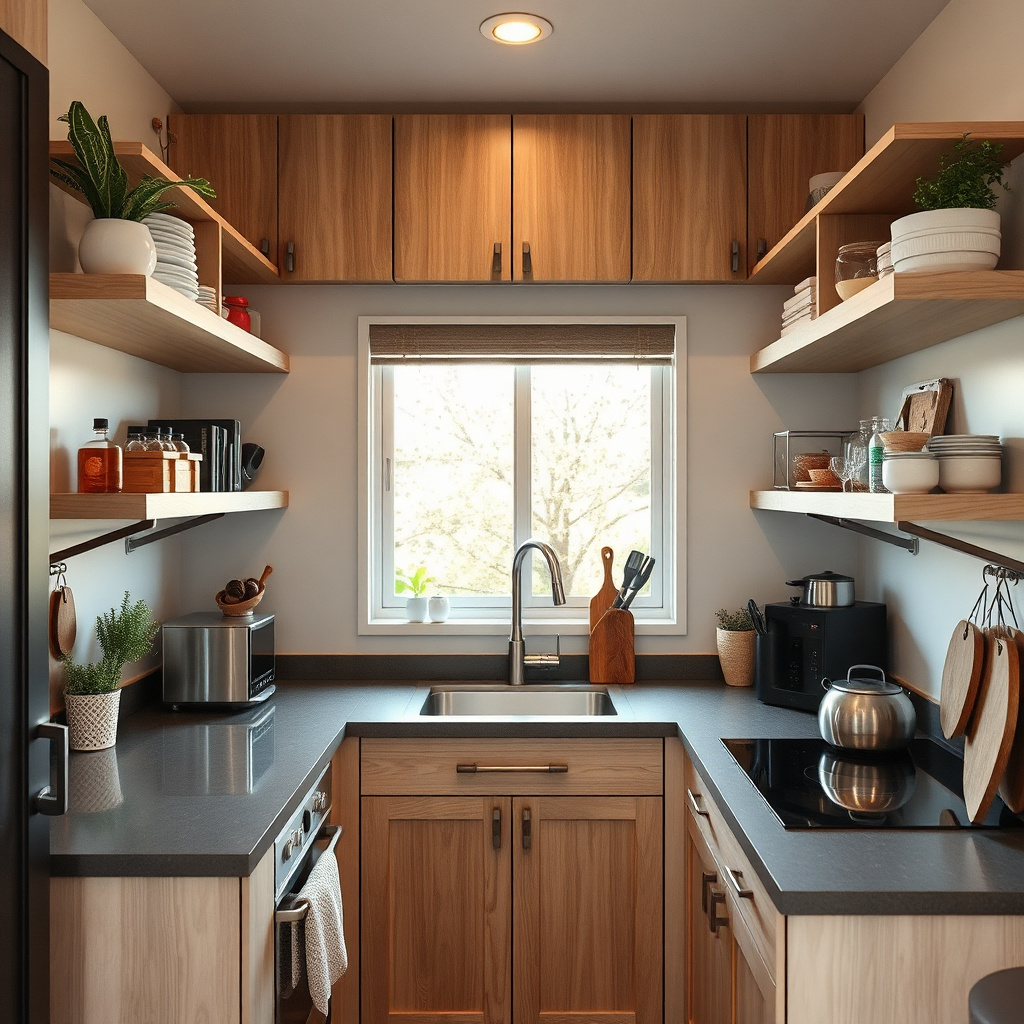
Using Vertical Storage Efficiently
Vertical storage is essential for tiny kitchens as it takes advantage of unused wall space to free up countertops and floors. Installing tall cabinets, open shelving, and hooks for pots or utensils allows you to store items within easy reach without crowding the work areas.
Consider magnetic strips for knives or spice racks mounted on walls and inside cabinet doors. These small additions minimize clutter and keep the kitchen organized, which enhances both safety and flow while cooking.
- Tall cabinets reaching the ceiling
- Open shelving for everyday items
- Wall-mounted racks and hooks
- Magnetic knife strips
Choosing Multi-Functional Furniture
In tiny kitchens, selecting furniture that serves more than one purpose saves space. Folding or drop-leaf tables can provide extra workspace or eating areas that disappear when not needed.
Stools that tuck under counters, or cabinets with built-in cutting boards and pull-out shelves make every inch accountable, keeping the kitchen uncluttered and functional.
- Fold-down dining tables
- Tuck-away stools
- Pull-out prep surfaces
Color and Lighting Strategies for Tiny Kitchens

Using Light Colors to Expand Space
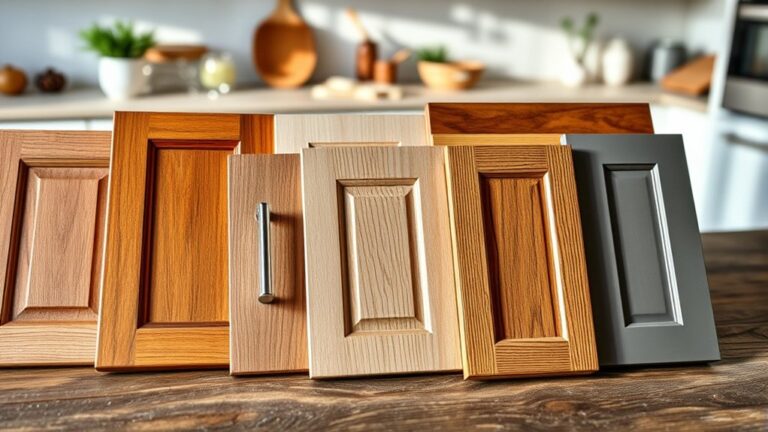
Light colors on walls, cabinets, and flooring reflect more light and can make a tiny kitchen appear larger and airier. Shades like white, cream, pale gray, or pastel tones reduce visual clutter and create a clean backdrop for brighter accessories.
Glossy finishes also help bounce light around the room, increasing a sense of openness without overwhelming the space.
- White or cream walls and cabinetry
- Pastel accent colors
- Glossy or semi-gloss surfaces
For more on this, see our related guide: 5 Easy Tips to Decorate Your Kitchen Island.
Incorporating Natural and Artificial Lighting
Natural sunlight is a precious asset in small kitchens; avoid blocking windows with heavy curtains or large items. Sheer curtains or blinds can let in daylight while maintaining privacy.
For darker spaces, layered artificial lighting with under-cabinet lights, pendant lamps, and recessed ceiling fixtures improves visibility and ambiance. Adjustable task lighting directly over work zones is especially helpful.
- Use sheer window treatments
- Install under-cabinet LED strips
- Pendant lights over counters
- Recessed ceiling lighting
Smart Storage Solutions Tailored for Tiny Kitchens

Drawer Organizers and Pull-Out Units
Drawer dividers and organizers prevent clutter and maximize storage inside limited drawer space. They keep utensils, spices, and gadgets neatly separated, making everything accessible and easy to find.
Pull-out pantry units or narrow sliding shelves can store canned goods or cleaning supplies in tight gaps, helping to utilize the smallest spaces efficiently.
- Adjustable drawer inserts
- Pull-out spice racks
- Sliding pantry shelves
Leveraging Cabinet Doors for Extra Storage
Inside cabinet doors can be fitted with racks or baskets to hold cutting boards, foil, wraps, or cleaning products. This often overlooked space reduces clutter on counters and inside cabinets by turning doors into mini-storage zones.
This approach makes frequently used items easy to grab without sacrificing main cabinet room needed for pots and pans.
- Door-mounted racks
- Hanging baskets for wraps and bags
- Hooks for small tools
Decorative Touches to Personalize a Tiny Kitchen
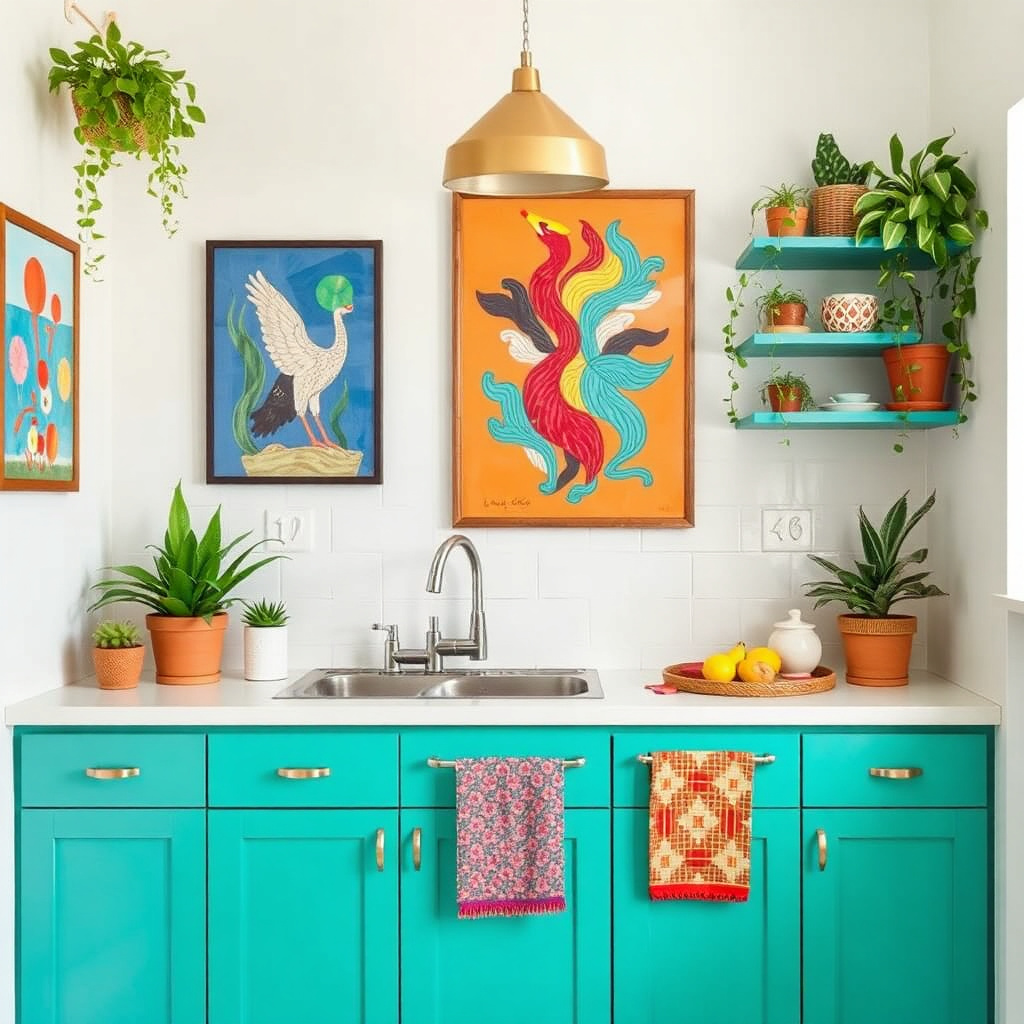
Adding Small Art and Colorful Accessories
Even the tiniest kitchen can reflect personality with carefully chosen artwork or colorful accessory placements. Small framed prints, magnets, or decorative plates add visual interest without crowding surfaces.
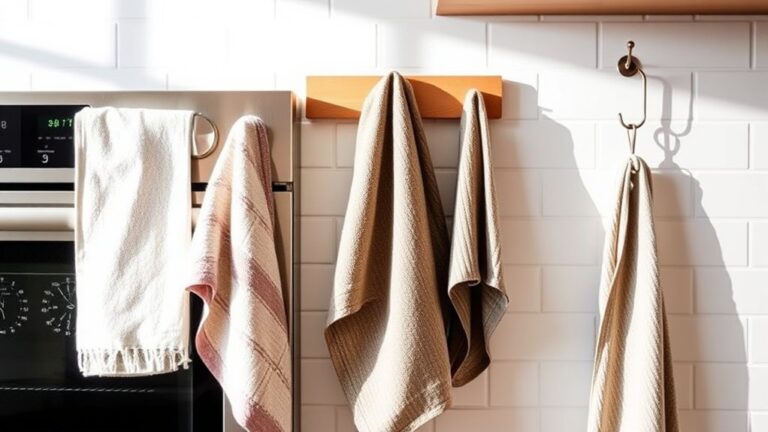
Bright dish towels, rugs, or aprons can easily be changed seasonally, letting you refresh the kitchen’s look while keeping a pared-down footprint.
- Small framed prints or wall decals
- Colorful textiles like rugs and towels
- Decorative magnets
For more on this, see our related guide: 5 Easy Tips to Decorate Kitchen Counters.
Incorporating Plants and Natural Elements
Small potted herbs or succulents on windowsills or shelves introduce greenery that livens up the space without taking much room. Plants add freshness and can also be functional if you grow herbs for cooking.
Natural elements like wooden utensils, bamboo cutting boards, or stoneware vessels provide texture and warmth in a minimal footprint.
- Potted herbs on shelves
- Succulents in small containers
- Wooden and stone kitchen items
Organizing Workflow in a Tiny Kitchen
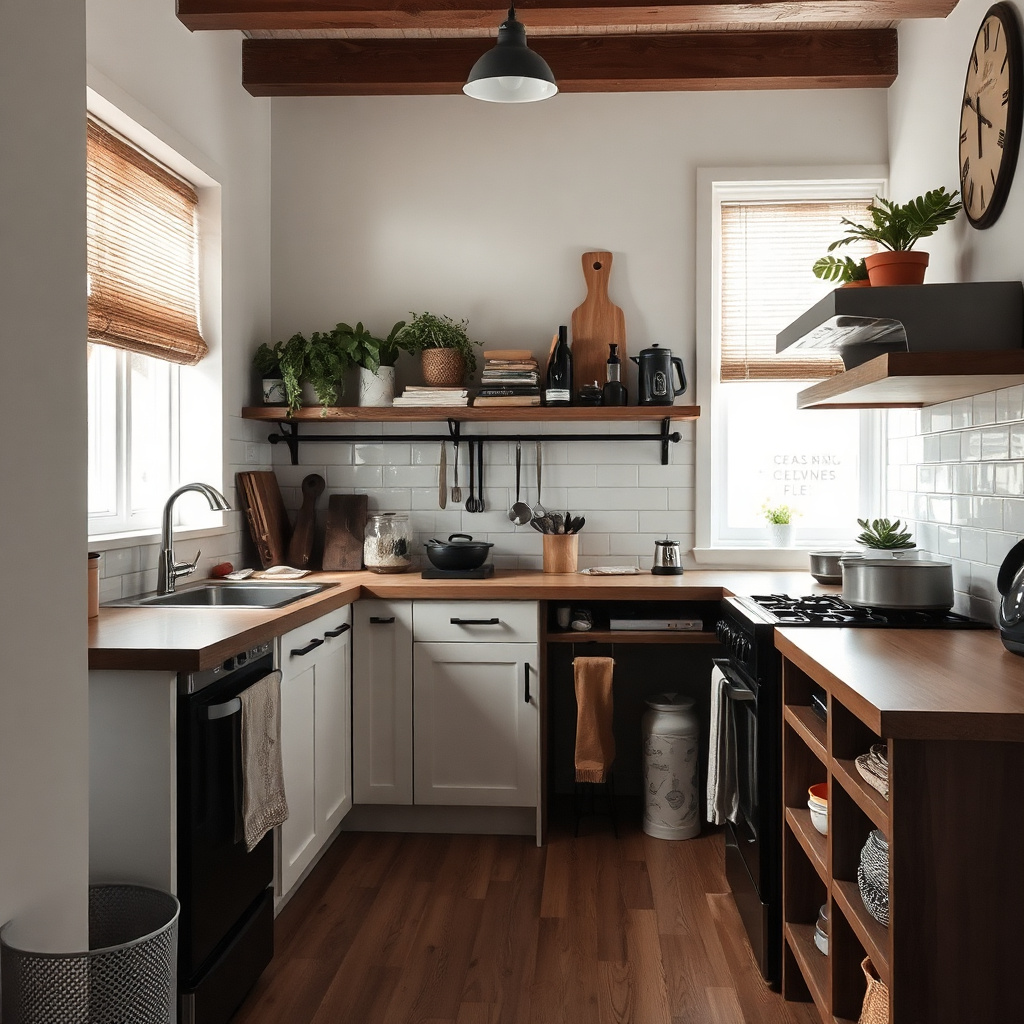
Setting Up Distinct Zones
Creating zones for prep, cooking, and cleaning simplifies multitasking in small kitchens and reduces crowding. Even subtle divisions using trays or mats can help keep tools and ingredients organized by task.
Avoid keeping all items visible; rotate frequently used tools into each zone to speed up access and keep the kitchen feeling uncluttered.
- Prep zone with cutting boards and knives
- Cooking zone near stove with pots and pans
- Cleaning zone with sink and drying rack
For more information about kitchen designs and layout principles, the Wikipedia article on small kitchen design provides valuable background. small kitchen design.
Maintaining Minimal Counter Clutter
Counters are precious real estate in tiny kitchens, so keeping them clear except for daily essentials helps maintain function and space perception. Quickly clearing knives, dishes, and appliances after use prevents buildup.
Store infrequently used gadgets elsewhere but within reach, such as in upper cabinets or pantry shelves.
- Use appliance garages or cabinets
- Daily clearing and cleaning routine
- Limit decorative items on counters
Tiny Kitchen Design Ideas Category Comparison
Here’s a comparison of popular tiny kitchen decorating strategies, highlighting their advantages and best use cases.
| Category | Space Savings | Cost | Ease of Implementation | Aesthetic Impact |
|---|---|---|---|---|
| Vertical Storage | High | Low | Medium | Modern and functional |
| Multi-Functional Furniture | Medium | Medium | Medium | Flexible and stylish |
| Light Color Schemes | Low | Low | High | Bright and airy |
| Layered Lighting | Low | Medium | Medium | Warm and inviting |
| Smart Drawer Organizers | High | Low | High | Organized and neat |
| Decorative Accessories | Low | Variable | High | Personal and cheerful |
Frequently Asked Questions
What is the best color to paint a tiny kitchen?
Light, neutral colors like white, cream, or soft gray are best to make a small kitchen feel bigger and brighter. Pastels can also work well to add subtle color without visually shrinking the space.
How can I increase storage in a tiny kitchen?
Use vertical storage options such as tall cabinets and wall-mounted shelves, add hooks or magnetic strips, and opt for multi-functional furniture with hidden storage to increase usable space.
Are open shelves a good idea for small kitchens?
Open shelves can work well if kept tidy since they provide accessible storage and visually lighten the space. However, they require regular organization to avoid appearing cluttered.
What lighting options work best in a tiny kitchen?
A mix of natural light, under-cabinet LED strips for tasks, and ceiling or pendant lights creates a balanced and functional lighting setup suited for various kitchen activities.
Can plants grow in a tiny kitchen with limited sunlight?
Yes, low-light plants like spider plants, pothos, or small succulents can thrive in less direct light, making them ideal for tiny kitchens with limited windows.
Key Takeaways
- Maximize vertical space with tall cabinets and wall racks
- Choose multi-functional furniture to save room and increase utility
- Use light colors and layered lighting to create an illusion of space
- Keep countertops clear and organized with smart storage solutions
Conclusion
Designing a tiny kitchen is about balancing style, space, and practical needs. Approaching the task with an eye on vertical storage, multi-use furniture, and strategic lighting lets you make the most out of limited square footage while maintaining an inviting atmosphere. Every inch counts, so organizing workflow zones and minimizing clutter makes a significant difference to daily usability.
For those interested in specific strategies, installing tall cabinets and pull-out units works well for maximizing storage, while light paint colors and bright lighting open up the space visually. Decorative touches like small artwork and plants personalize the kitchen without crowding surfaces. Multi-functional tables or fold-away counters suit smaller homes that need flexible layouts.
Begin by measuring your kitchen to identify vertical and hidden storage opportunities. Next, select light color schemes and lighting elements that brighten your space. Finally, invest in organized storage options and minimal décor to keep your tiny kitchen efficient and welcoming. These manageable steps turn small kitchens into lovely, practical rooms with personality.