How to Get Rid of Kitchen Gnats Fast
Kitchen gnats buzzing around your food can make your whole kitchen feel uncomfortable. If you’re struggling to get rid of kitchen gnats fast, you’re not alone—many people deal with these persistent pests. The right traps and remedies can help clear them out and keep them from coming back.
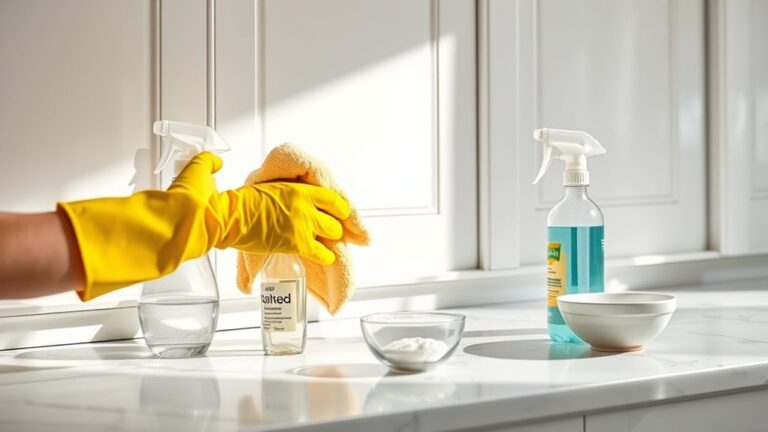
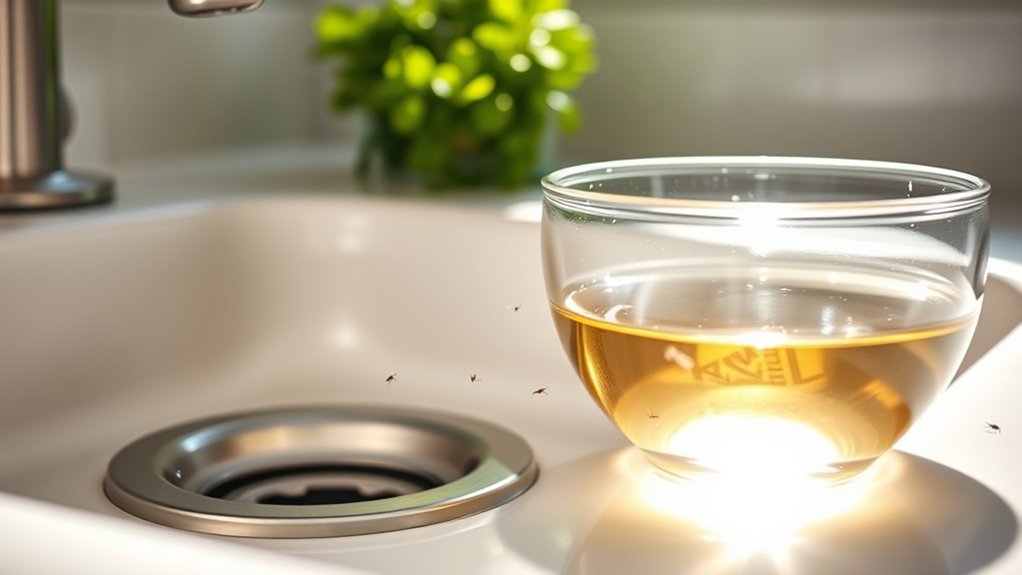
To get rid of kitchen gnats fast, start by removing ripe fruits, crumbs, and moist areas that attract them. Clean drains with baking soda and vinegar, empty trash regularly, and fix any leaks. Set apple cider vinegar traps with a few drops of dish soap to catch adults quickly.
Also, dry out overwatered plants and sanitize counters. Taking these steps immediately cuts their breeding cycle, and there’s more you can do to keep your kitchen gnat-free for good.
Key Takeaways
- Clean kitchen surfaces thoroughly, removing crumbs, spills, and overripe fruit to eliminate gnat food sources quickly.
- Set apple cider vinegar traps with dish soap to attract and drown adult gnats effectively and fast.
- Flush and scrub kitchen drains with boiling water, baking soda, and vinegar to kill gnat larvae in breeding sites.
- Remove standing water and excess moisture from plants, sponges, and sink areas to disrupt gnat breeding environments.
- Empty and disinfect trash bins daily to prevent gnats from reproducing in organic waste buildup.
How To Identify Kitchen Gnats Quickly
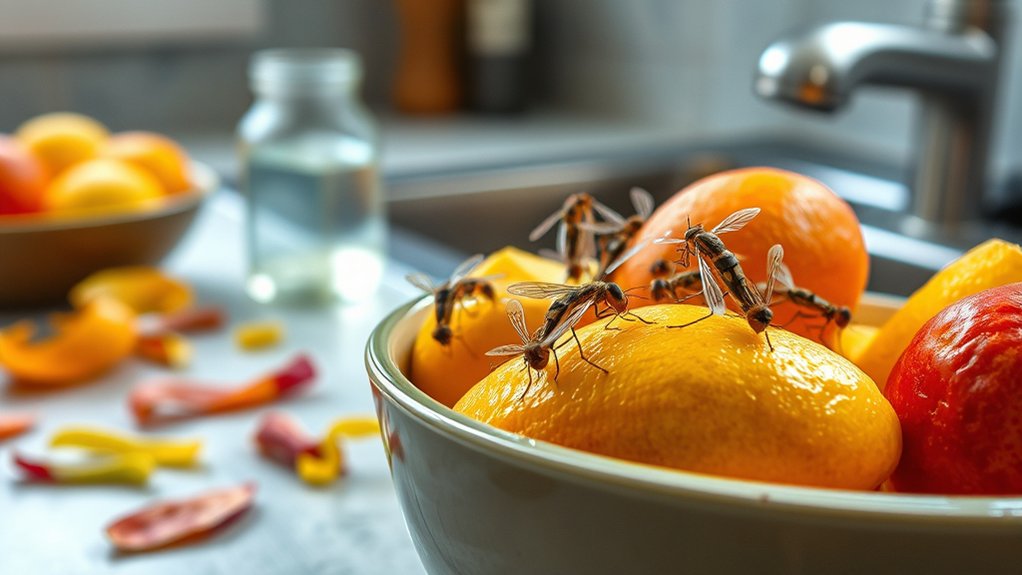
Although they’re small, kitchen gnats can be easy to spot once you know what to look for. You’ll notice their quick, erratic flight patterns as part of typical kitchen gnat behavior. They often hover near damp areas or over ripe fruits, making them more visible.
Understanding gnat lifecycle stages helps you identify them at different times: from tiny eggs laid in moist soil or organic matter, to larvae that thrive in wet environments, and finally adults that buzz around your kitchen. Adults are usually just a few millimeters long with slender bodies and long legs.
If you catch these signs early, you can tackle the problem more effectively. Keep an eye out for clusters of gnats flying near drains or trash bins, as these spots commonly host their larvae.
Why Gnats Are Attracted To Your Kitchen
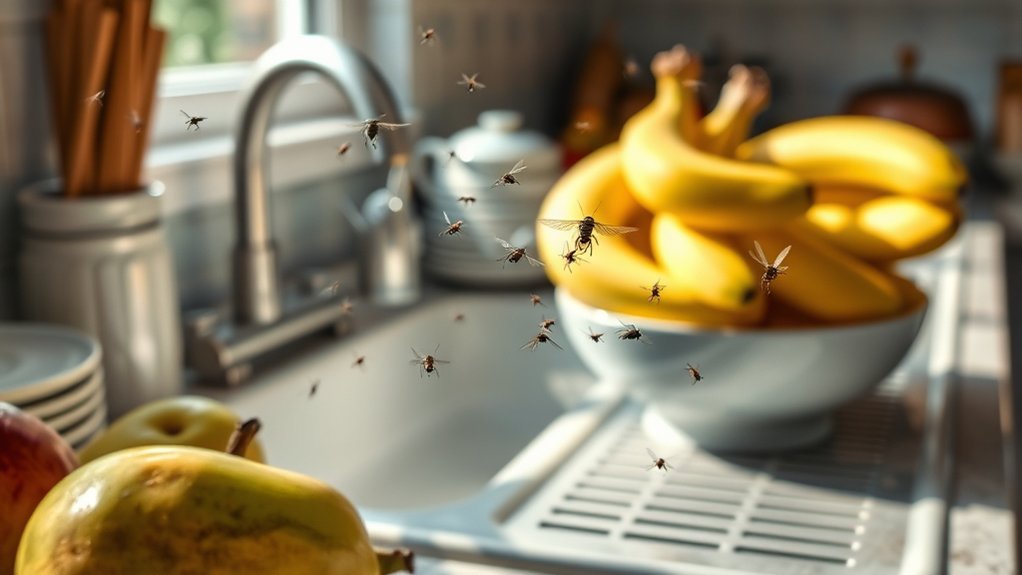
Gnats are often drawn to kitchens by exposed fruit and leftover food. Damp sponges and overripe produce can also provide the moisture and decaying matter they need to thrive. Once you know what’s attracting them, it’s easier to tackle the problem at its source.
Common Kitchen Attractants
Because gnats are drawn to moisture and food sources, your kitchen offers an ideal environment for them to thrive. Common kitchen attractants include ripe fruits left out, crumbs on counters, and spilled sugary drinks.
Even small amounts of food residue can lure these pests quickly. If you keep indoor plants in your kitchen, watch out—they can harbor fungus gnats, a type of garden pest that thrives in moist soil. Overwatering your plants creates a perfect breeding ground.
Furthermore, compost bins or fruit bowls left uncovered invite gnats to settle in. By recognizing these attractants, you can take targeted steps to reduce gnat presence and keep your kitchen pest-free.
Addressing these common attractants is key to controlling and preventing infestations.
Moisture and Decay Sources
When moisture and decay combine in your kitchen, they create an irresistible environment for gnats to breed and multiply. Leaky faucets, damp sponges, and standing water in sinks or containers provide the perfect breeding ground.
Your cooking habits also play a role. Frequent use of water without thorough drying or leaving wet utensils out encourages moisture buildup.
Even your kitchen decor can contribute. Porous materials like wooden cutting boards or fabric curtains can retain dampness, attracting gnats.
By identifying and addressing these moisture and decay sources, you reduce their appeal and disrupt their life cycle. Regularly check for leaks, dry surfaces promptly, and choose decor that doesn’t hold moisture.
These steps help keep your kitchen less inviting to gnats and maintain a cleaner, fresher space.
Fruit and Food Residues
Alongside moisture, fruit and food residues act as powerful magnets for kitchen gnats. If you leave overripe fruit or crumbs out, gnats will quickly swarm your space. These tiny pests detect fermenting sugars and decaying food from afar, making your kitchen décor and countertops prime targets.
To keep gnats at bay, store fruit in the fridge or sealed containers. Wipe down surfaces regularly to remove sticky residues that attract them. Incorporate practical cooking tips like cleaning as you go and promptly discarding food scraps.
Avoid leaving dirty dishes out overnight, as leftover food can invite infestations. By managing food residues and keeping your kitchen clean, you not only improve hygiene but also protect your kitchen décor from unwanted guests buzzing around.
Deep Cleaning Steps To Eliminate Kitchen Gnats
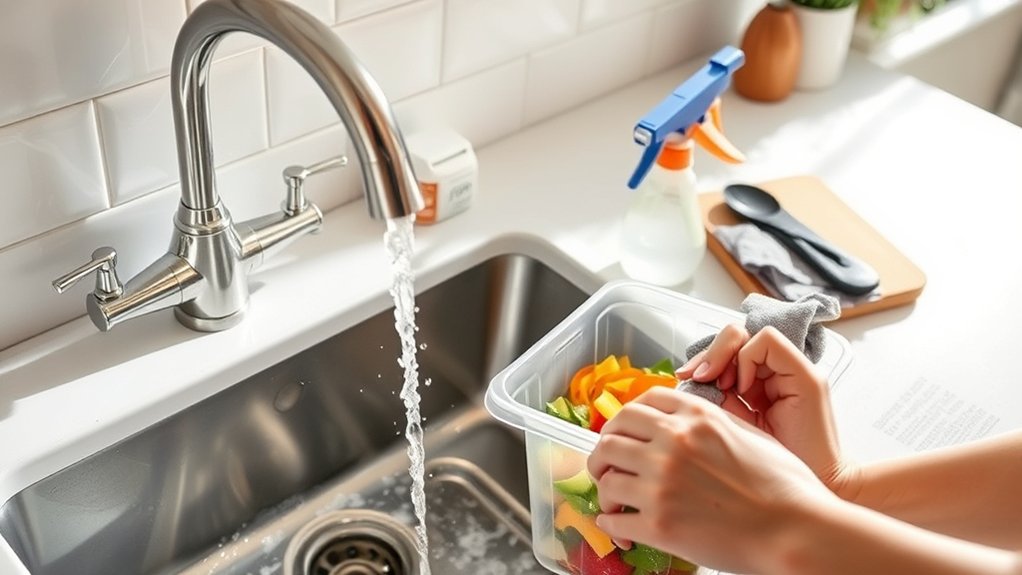
To get rid of kitchen gnats, start by removing the food sources that attract them. Clean your drains thoroughly, and be sure to sanitize trash areas regularly. These deep-cleaning steps can help keep gnats from coming back.
Remove Food Sources
Eliminating kitchen gnats starts with cutting off their food supply by thoroughly removing any sources of attraction. Focus on cleaning counters, wiping crumbs, and storing fruits properly.
Pay attention to your kitchen decor; avoid porous materials that trap food particles. Regular appliance maintenance, like emptying crumb trays and cleaning fridge seals, prevents hidden food buildup that gnats love.
| Food Source | Removal Tip |
|---|---|
| Overripe Fruits | Store in fridge or sealed bags |
| Food Crumbs | Wipe surfaces after cooking |
| Garbage | Empty bins daily and clean bins |
| Sticky Spills | Clean immediately, especially near appliances |
Clean Drains Thoroughly
Though you might not notice them, kitchen drains are prime breeding grounds for gnats. To tackle this, start by removing any visible debris from your drain. Then, flush it with boiling water to loosen grime and kill larvae.
Next, pour a mixture of baking soda and vinegar down the drain—this natural combo breaks down organic buildup where gnats thrive. Let it sit for 10-15 minutes before rinsing with hot water.
Regularly cleaning your drains is an essential cooking tip that supports both hygiene and kitchen organization. Keeping drains spotless prevents gnats from multiplying and stops unpleasant odors.
Incorporate this deep cleaning step into your routine, and you’ll see a significant drop in gnat activity, making your kitchen a healthier, more pleasant space to cook in.
Sanitize Trash Areas
Since trash areas often harbor food scraps and moisture, they become hotspots for gnats to gather and breed. To keep your kitchen décor fresh and gnat-free, focus on thorough sanitation and regular upkeep. Follow these deep cleaning steps to eliminate kitchen gnats:
- Empty trash bins daily to prevent buildup of food residue.
- Wash bins with hot, soapy water and disinfectant weekly.
- Use trash bags that fit properly to avoid leaks and spills.
- Maintain nearby appliances by cleaning crumbs and spills promptly.
How To Find And Get Rid Of Hidden Gnat Breeding Spots
Because gnats often hide in unexpected places, finding their breeding spots requires a careful inspection of your kitchen. These hidden breeding sites include damp areas like under the sink, inside potted plants, or in clogged drains where moisture collects.
Gnats hide in damp, unexpected kitchen spots like under sinks, potted plants, and clogged drains.
Understanding the gnat lifecycle helps you target these spots effectively, as gnats lay eggs in moist organic matter, which hatch into larvae before becoming adults.
Start by checking for any decaying food particles or standing water, as they provide perfect conditions for larvae to thrive. Clean drains thoroughly using a brush and a drain cleaner to remove buildup where gnats breed.
Inspect houseplants and remove excess water from saucers to prevent soil from staying soggy. Don’t forget to look behind appliances and inside garbage bins for unnoticed dampness.
How To Use Natural Remedies To Kill Kitchen Gnats
When you want to tackle kitchen gnats without harsh chemicals, natural remedies offer effective and safe alternatives. Understanding the gnat lifecycle helps you interrupt it and reduce their numbers quickly.
Use natural repellents to keep gnats away and prevent new infestations. Here are four natural methods to kill kitchen gnats:
- Apple cider vinegar rinse: Pour it into a shallow dish; gnats are attracted and drown, breaking their lifecycle.
- Essential oils: Scents like peppermint or eucalyptus repel gnats naturally—dab a few drops near breeding spots.
- Lemon and cloves: Cut a lemon in half, stick cloves in the flesh, and set it out; gnats hate this natural repellent.
- Diatomaceous earth: Sprinkle it around damp areas; it’s safe for you but lethal to gnats by disrupting their exoskeletons.
These remedies tackle gnats at various lifecycle stages, helping you reclaim your kitchen without toxic sprays.
How To Make A Homemade Trap For Kitchen Gnats
You can make a simple homemade trap for kitchen gnats with a few household ingredients, such as vinegar and dish soap. Just follow a few easy steps to attract and catch them. It’s quick, affordable, and a handy way to help keep your kitchen gnat-free.
Simple Ingredients Needed
Although kitchen gnats can be stubborn, you don’t need complicated tools to catch them. Using simple ingredients found in your kitchen, you can create an effective homemade trap that blends well with your kitchen decor and supports your cooking techniques by keeping the space pest-free.
Here are the four basic ingredients you’ll need:
- Apple cider vinegar – its strong scent attracts gnats.
- Dish soap – breaks surface tension, trapping the gnats.
- Water – dilutes the vinegar for the right consistency.
- A small container or jar – to hold your trap and fit your kitchen decor.
These ingredients work together to lure and capture gnats without disrupting your cooking flow or style.
Step-By-Step Trap Setup
Since kitchen gnats are drawn to the scent of apple cider vinegar, setting up your homemade trap is quick and straightforward. First, pour about half a cup of apple cider vinegar into a small bowl or jar. Add a few drops of dish soap to break the surface tension, so gnats can’t escape once they land.
Cover the container with plastic wrap and poke small holes using a toothpick, allowing gnats to enter but not exit. Place the trap near your kitchen sink or fruit bowl, focusing on areas where gnat behavior is most noticeable. Regularly check and replace the trap to maintain pest control effectiveness.
This simple setup exploits their natural attraction to vinegar and helps reduce their population quickly.
When Should You Use Chemical Solutions For Kitchen Gnats?
When kitchen gnats persist despite thorough cleaning and natural remedies, it’s time to contemplate chemical solutions. You should consider using these products only after other methods fail, ensuring you follow insecticide safety guidelines strictly to protect your family and pets.
Here’s when chemical solutions make sense:
- You notice gnats multiplying rapidly, overwhelming natural traps and cleaning efforts.
- Infestation spreads to hard-to-clean spots where gnats breed and hide.
- Persistent gnats pose health or hygiene risks that require immediate control.
- You use insecticides labeled for indoor use and follow all safety instructions carefully.
How To Prevent Kitchen Gnats From Returning
After dealing with persistent gnats using chemical solutions, you’ll want to focus on keeping them from coming back. Start by eliminating their breeding grounds—regularly clean your kitchen surfaces and avoid leaving food scraps or standing water.
Since garden pests often hitch a ride on fresh produce, inspect fruits and vegetables before bringing them inside. Store produce in sealed containers or the refrigerator to cut off gnats’ access.
While air fresheners can mask odors that attract gnats, they don’t solve the root problem. Instead, use natural deterrents like vinegar traps or essential oils to repel them effectively.
Keep your trash bins tightly sealed and take out garbage frequently to reduce attraction. By addressing these factors, you’ll minimize the chances of gnats returning and keep your kitchen more comfortable without relying heavily on chemicals.
How To Maintain A Gnat-Free Kitchen Environment
Although gnats can be stubborn pests, you can maintain a gnat-free kitchen environment by adopting consistent cleaning habits and proper food storage. Keeping your kitchen free from gnats means staying vigilant against common attractants like overripe fruit, damp areas, and neglected indoor plants.
Follow these steps to keep gnats and other garden pests at bay:
- Clean spills and crumbs immediately to remove food sources.
- Store fruits and vegetables in sealed containers or the refrigerator.
- Regularly check and water indoor plants carefully to avoid excess moisture, which attracts gnats.
- Dispose of kitchen waste frequently and use sealed trash bins to prevent gnats from breeding.
What To Do When Gnats Just Won’t Go Away
If gnats keep returning despite your efforts, it’s time to take more targeted action. Understanding gnat behavior helps you tackle infestations effectively. Gnats are attracted to moist environments and organic matter, so check hidden spots like drains, garbage disposals, and overwatered plants.
Seasonal infestations often flare up during warmer months, so anticipate and prepare by sealing food containers and keeping your kitchen dry.
When gnats just won’t go away, try using apple cider vinegar traps or sticky traps to reduce their numbers quickly. Regularly clean areas where moisture collects and dispose of any decaying produce promptly.
You might also need to inspect your plumbing for leaks, as these create breeding grounds. If infestations persist, consider using a natural insecticide labeled safe for indoor use.
Frequently Asked Questions
Are Kitchen Gnats Harmful to My Health?
Kitchen gnats aren’t directly harmful to your health, but they can impact food safety by contaminating your fruits and vegetables. Their presence may also affect indoor air quality, especially if they multiply quickly.
You’ll want to address infestations promptly to prevent bacteria spread and keep your kitchen environment clean. By doing so, you protect your family from potential allergens and maintain a healthier home overall.
Can Kitchen Gnats Infest Other Areas of the House?
Yes, kitchen gnats can spread beyond your kitchen, invading other areas of your home. While they thrive near stored fruits, they’re also attracted to indoor plants, where moisture lingers.
You might spot them buzzing around your living room or bedroom if you’re not careful. To keep them contained, make sure you don’t leave ripe fruit out and avoid overwatering your plants. Staying vigilant helps stop their spread quickly.
Do Kitchen Gnats Bite or Sting Humans?
Kitchen gnats don’t bite or sting humans, so you don’t have to worry about painful reactions. Their behavior mostly involves hovering around moist areas and decaying organic matter.
To manage them, you’ll want to focus on pest prevention by keeping your kitchen dry and clean, sealing food properly, and removing breeding sites. Staying proactive with these steps helps you avoid an annoying gnat problem without any discomfort from bites or stings.
How Long Do Kitchen Gnats Typically Live?
Back in the days of knights and castles, you’d wish gnats weren’t around at all! Typically, the gnat lifespan is about 7 to 10 days. Because gnat reproduction happens rapidly, a single female can lay hundreds of eggs, so you’ll see new gnats popping up fast. If you don’t act quickly, their population explodes. Understanding their brief gnat lifespan helps you target them before they multiply and become a bigger nuisance.
Can Pets Attract or Spread Kitchen Gnats?
Yes, pets can attract or spread kitchen gnats. Their behavior, like leaving food crumbs or spills, creates perfect spots for gnats to breed. Pet food and water bowls can also invite gnat attraction if not cleaned regularly.
You’ll want to keep pet areas tidy and promptly clean up any messes to reduce gnat presence. By managing pet behavior and maintaining cleanliness, you’ll cut down on the chances of gnats invading your kitchen.
Conclusion
Now that you know how to get rid of kitchen gnats, you’re ready to reclaim your space from these pesky invaders. Keeping your kitchen clean and dry is your best defense against gnats.
If they sneak back, use natural or chemical methods wisely. Stay vigilant, and soon your kitchen will be a gnat-free zone where you can cook and relax without buzzing interruptions.