
How to Organize a Kitchen Cupboard for Maximum Efficiency
Organizing a kitchen cupboard starts with categorizing items based on usage, frequency, and type, then assigning them to specific zones that make everyday cooking and cleaning simpler. This direct approach transforms clutter into a neat, functional space.
A well-organized cupboard reduces time spent searching for ingredients and utensils, enhances kitchen safety, and makes meal preparation smoother. It also prevents food waste by keeping everything visible and accessible, which is especially valuable in small kitchens.
This article will guide you through the step-by-step process of sorting, zoning, and storing your kitchen items intelligently. You'll learn practical tips for maximizing space and maintaining order over time, including advantages of various storage tools and layout ideas.
Assessing Your Kitchen Cupboard Space

Measuring and Mapping Your Cupboard
Start by measuring your cupboard’s total height, width, and depth to understand the storage volume available. Sketching a simple layout on paper or using a digital tool helps visualize placement and dimensions before rearranging items.
Knowing shelf heights, distances between shelves, and door space is vital for selecting the right storage bins, racks, or hooks. Adjusting or adding shelves may improve vertical space efficiency.
Identifying Zones Based on Use
Divide the cupboard into zones such as daily-use items, baking supplies, canned goods, spices, or bulky equipment. This focused organization ensures that frequently accessed things stay at eye level or the easiest reach points.
Grouping items by function or meal preparation stages also reduces kitchen traffic and maximizes convenience.
Decluttering Before Organizing

Removing Expired and Unused Items
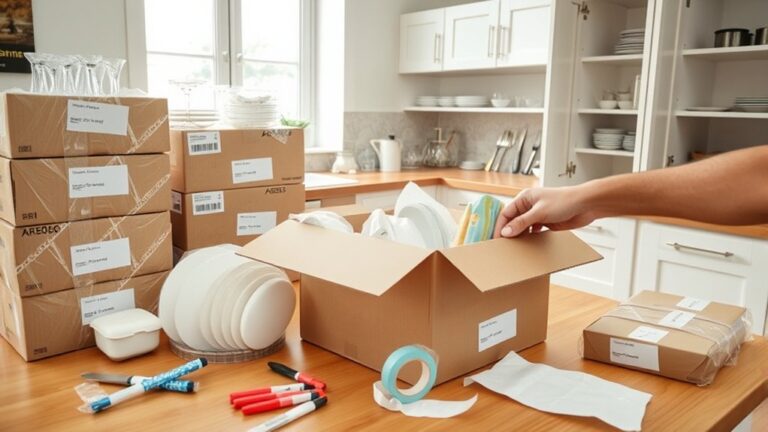
Check expiration dates on food products and toss expired ones to prevent health hazards and free up valuable space. Also, consider donating usable but unwanted equipment or duplicates to avoid pointless clutter.
Empty the whole cupboard to start fresh; this makes categorization smoother and helps spot items that no longer serve your cooking habits.
Deciding What Belongs in the Cupboard
Only keep items that truly need cupboard storage and prioritize lightweight, non-perishable goods. Store heavy pots or appliances elsewhere if they are rarely used to prevent shelf sagging.
A leaner collection of items simplifies the organizing process and maintains cupboard order longer.
Choosing the Right Storage Containers and Accessories
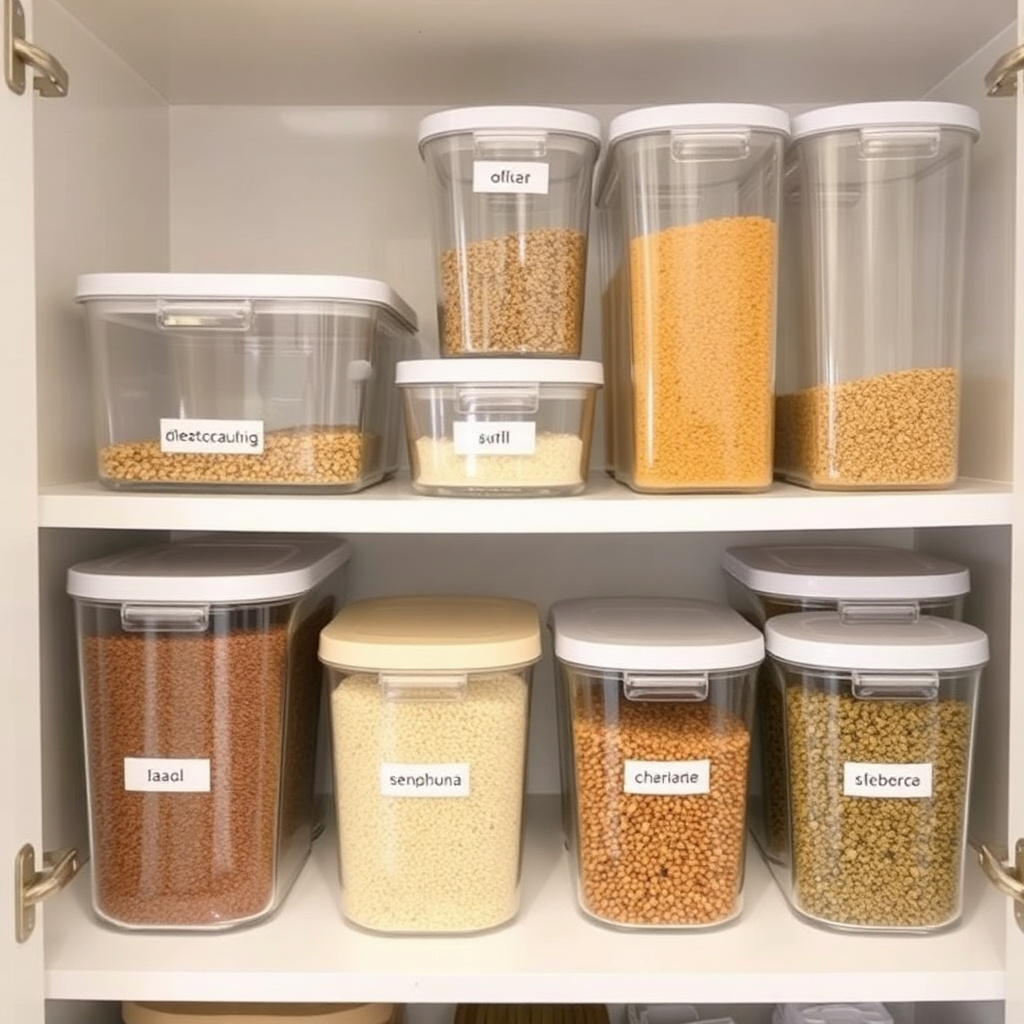
Using Transparent Containers for Visibility
Clear containers help identify contents without opening, reducing time spent searching. Use airtight containers for grains, pasta, and snacks to keep freshness and prevent pests.
Label containers clearly with contents and expiration dates for quick recognition and inventory control.
- Glass jars with screw lids
- Plastic bins with snap closures
- Stackable storage boxes
For more on this, see our related guide: How Can You Get Rid of Roaches in the Kitchen?.
Incorporating Pull-Out Drawers and Shelf Risers
Pull-out drawers enhance accessibility for items stored at the back. They allow complete visibility and prevent items from getting lost behind others.
Shelf risers double vertical space by creating an extra level for plates, cups, or canned goods, making use of tall cupboard interiors.
- Adjustable wire racks
- Tiered spice holders
- Under-shelf baskets
Organizing Food Items Efficiently

Categorizing and Grouping Similar Foods
Arrange canned goods, dry ingredients, and baking supplies in separate groups to make inventory and meal prep smoother. Allocate specific shelves or bins for each category.
Store less frequently used bulk items in harder to reach areas but keep essentials where they can be grabbed easily.
- Baking ingredients section
- Snack zone
- Canned vegetables and soups
Arranging for First-In, First-Out Usage
Place newer items behind older ones to encourage using up older stock first, reducing spoilage and waste. This is especially useful for perishable dry goods.
Label dates clearly on packaged goods and maintain a consistent system to rotate inventory effortlessly.
Maintaining Your Organized Kitchen Cupboard
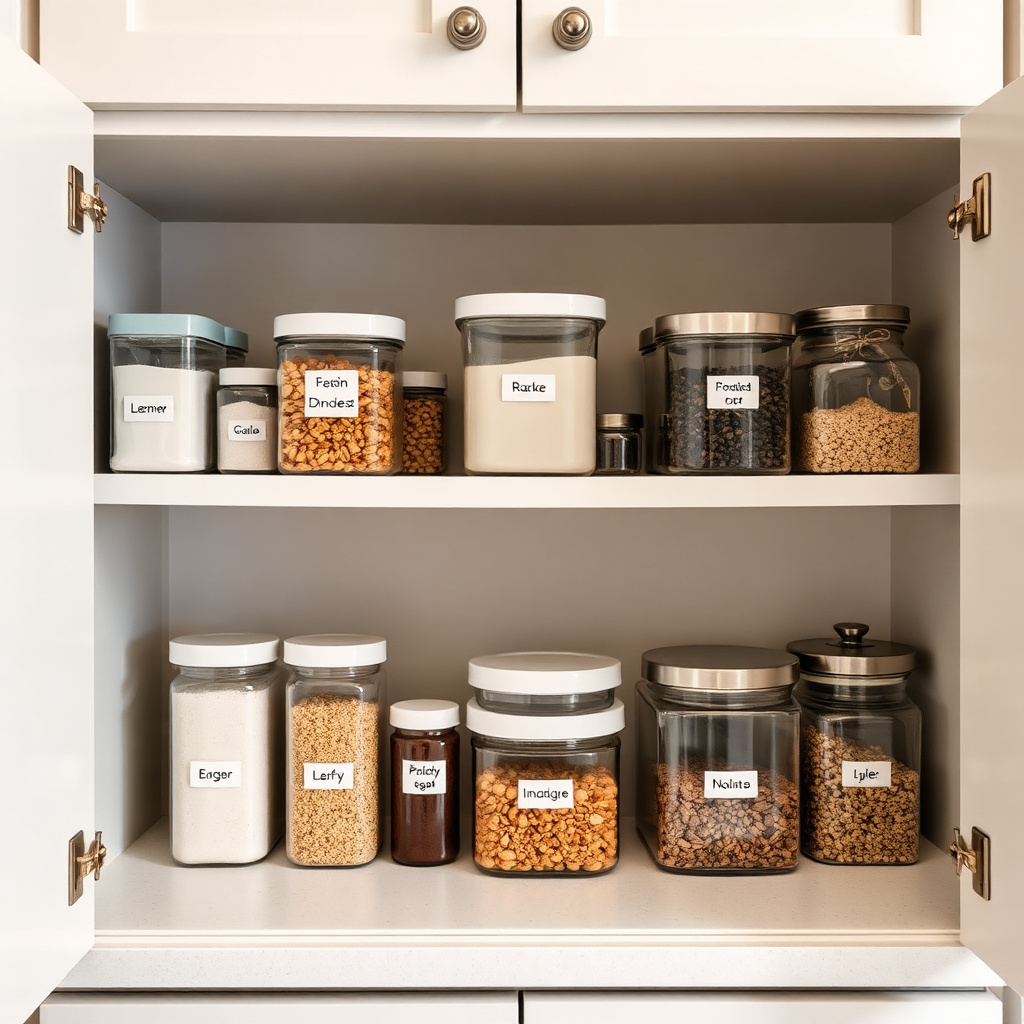
Routine Cleaning and Restocking
Wipe shelves monthly to prevent dust and residue buildup. Empty and reorganize areas with spillages or clutter to maintain hygiene.
Check pantry supplies regularly and restock or discard items as needed to keep the system effective.
For more on this, see our related guide: 5 Easy Tips to Organize Your Kitchen.
Adapting the System Over Time
As your cooking habits or household size changes, adjust zones and storage choices accordingly. Modular containers and adjustable shelving simplify this transition.
Review your cupboard’s organization periodically to prevent slipping back into disorder.
Implementing Kitchen Storage Solutions for Small Spaces

Utilizing Vertical and Door Space
Install hooks or racks on the cupboard door interior for hanging measuring spoons, pot lids, or spices. Using vertical space with tall containers or stackable bins maximizes limited room.
This approach clears shelf space for larger items by shifting smaller tools to underused areas.
For more background on efficient storage techniques, visit this detailed page on pantry organization. kitchen storage organization tips.
Multi-Purpose Storage Accessories
Choose baskets or bins that can hold assorted items and be easily moved. Collapsible storage options save space when not in use while providing flexible organization.
Magnetic strips and adjustable dividers help create compartments suited for different items in tight cupboards.
- Collapsible bins
- Magnetic spice racks
- Adjustable shelf dividers
Kitchen Cupboard Storage Solutions Comparison
Here’s an overview of common storage options, highlighting their features, best uses, and typical costs to help you select what fits your kitchen needs.
| Storage Solution | Best For | Cost Range | Durability |
|---|---|---|---|
| Clear Plastic Containers | Dry goods storage | $10-$30 per set | Medium |
| Glass Jars | Long-term food storage | $15-$50 per set | High |
| Pull-Out Drawers | Accessibility for heavy items | $50-$150 per unit | High |
| Shelf Risers | Maximizing vertical space | $10-$40 each | Medium |
| Door Hooks and Racks | Small item storage | $5-$20 | Medium |
| Collapsible Bins | Flexible organization | $10-$25 | Low |
Frequently Asked Questions
How often should I reorganize my kitchen cupboard?
It’s good to reorganize your kitchen cupboard every 3 to 6 months to maintain order and address changes in your cooking habits or inventory.
What’s the best way to store spices in a cupboard?
Using tiered spice racks or magnetic strips inside cupboard doors keeps spices visible and accessible while freeing up shelf space.
Can I store heavy pots and pans in kitchen cupboards?
Yes, but store heavy pots on lower shelves to prevent injury and avoid shelf damage. Use pull-out drawers if available for easier access.
Are transparent containers better than original packaging?
Transparent containers often provide better food protection, visibility, and stackability compared to original packaging, which can be bulky or unclear.
How can I keep my cupboard from getting messy again?
Maintain a habit of returning items to their assigned spots, clean spills promptly, and regularly declutter unused items to keep the cupboard tidy.
Key Takeaways
- Sort items by use and group similar goods together for ease of access.
- Use clear containers and labels to improve visibility and freshness.
- Incorporate storage accessories like pull-out drawers and shelf risers.
- Regular maintenance prevents clutter from piling up over time.
Conclusion
Deciding how to organize a kitchen cupboard effectively revolves around understanding your space dimensions, sorting your items thoughtfully, and implementing a system that matches your cooking style. By dividing your cupboard into functional zones and choosing storage tools that fit your needs, you create a kitchen space that supports efficient meal preparation and comfort. This orderly approach also lowers stress during busy moments by making essentials immediately reachable without confusion or fuss.
For kitchens with ample space, investing in pull-out drawers and sturdy shelf risers can transform cupboard usability dramatically, while smaller kitchens benefit most from vertical storage solutions like door racks and magnetic spice holders. Transparent containers paired with consistent labelling enable easy inventory tracking regardless of kitchen size. Regularly donating or discarding unused items keeps the system lean and practical. Evaluating your kitchen storage solutions based on your individual habits ensures your cupboard remains a helpful asset, not a source of frustration.
Start improving your kitchen cupboard today by measuring your surfaces, clearing out expired food and seldom-used gear, and grouping what remains by frequency of use. Select versatile containers and ergonomic organizing accessories that suit your space and preferences, then commit to scheduled maintenance. This proactive approach sets you up for a clutter-free cupboard that simplifies cooking tasks and boosts your overall kitchen enjoyment.