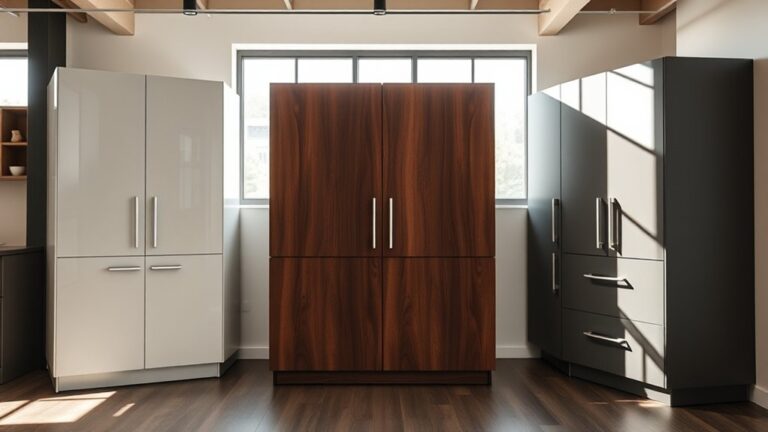

How to Organize Your Kitchen for Maximum Efficiency and Space
Organizing your kitchen starts with clearly defining zones for different tasks like cooking, prepping, cleaning, and storing. Sort items into categories and frequently used utensils should be within easy reach. Effective organization reduces clutter, making your kitchen more functional and enjoyable to use.
A well-organized kitchen saves time and effort during cooking and cleanup by minimizing the need to hunt for tools or ingredients. It also maximizes your available space, which matters especially in smaller kitchens or homes where storage is limited.
This article will cover practical approaches to organizing your kitchen, including creating zones, choosing storage solutions, using vertical space, managing pantry items, and maintaining your setup for lasting order.
Setting Up Functional Kitchen Zones
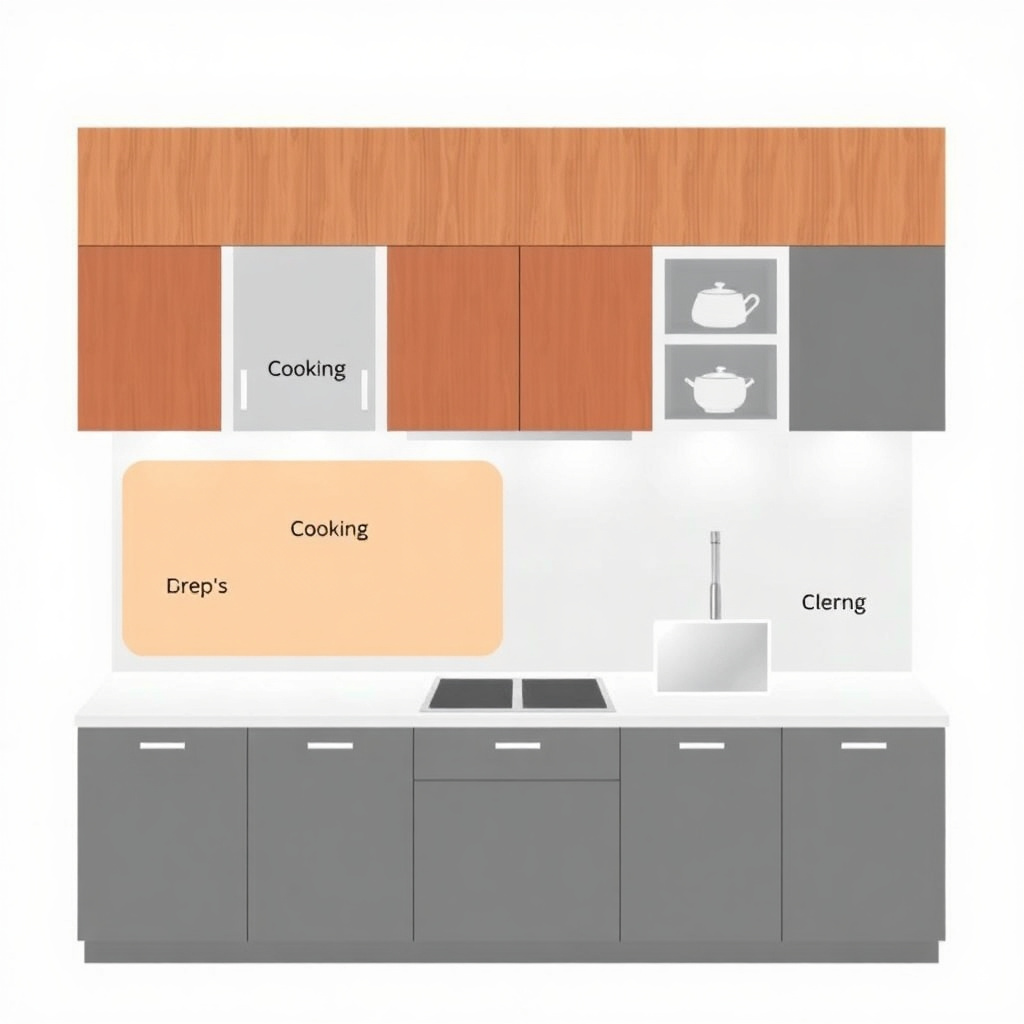
Cooking and Prep Areas
Designate a cooking zone near your stove with pots, pans, and frequently used utensils. Your prep area benefits from having cutting boards, knives, and mixing bowls nearby to streamline meal preparation.
Keep countertop appliances like blenders and food processors within the prep zone where they are accessible but don’t clutter up your space. This arrangement minimizes movement across the kitchen while cooking.
Cleaning and Storage Zones
Your cleaning zone should center around the sink area, with easy access to dish soaps, scrubbers, and garbage bins. Nearby cabinets can house dishwasher detergents and drying racks for convenience.
Organize food storage in clearly labeled containers within pantry cabinets or fridge zones to keep ingredients fresh and easy to locate.
Maximizing Kitchen Storage with Smart Solutions
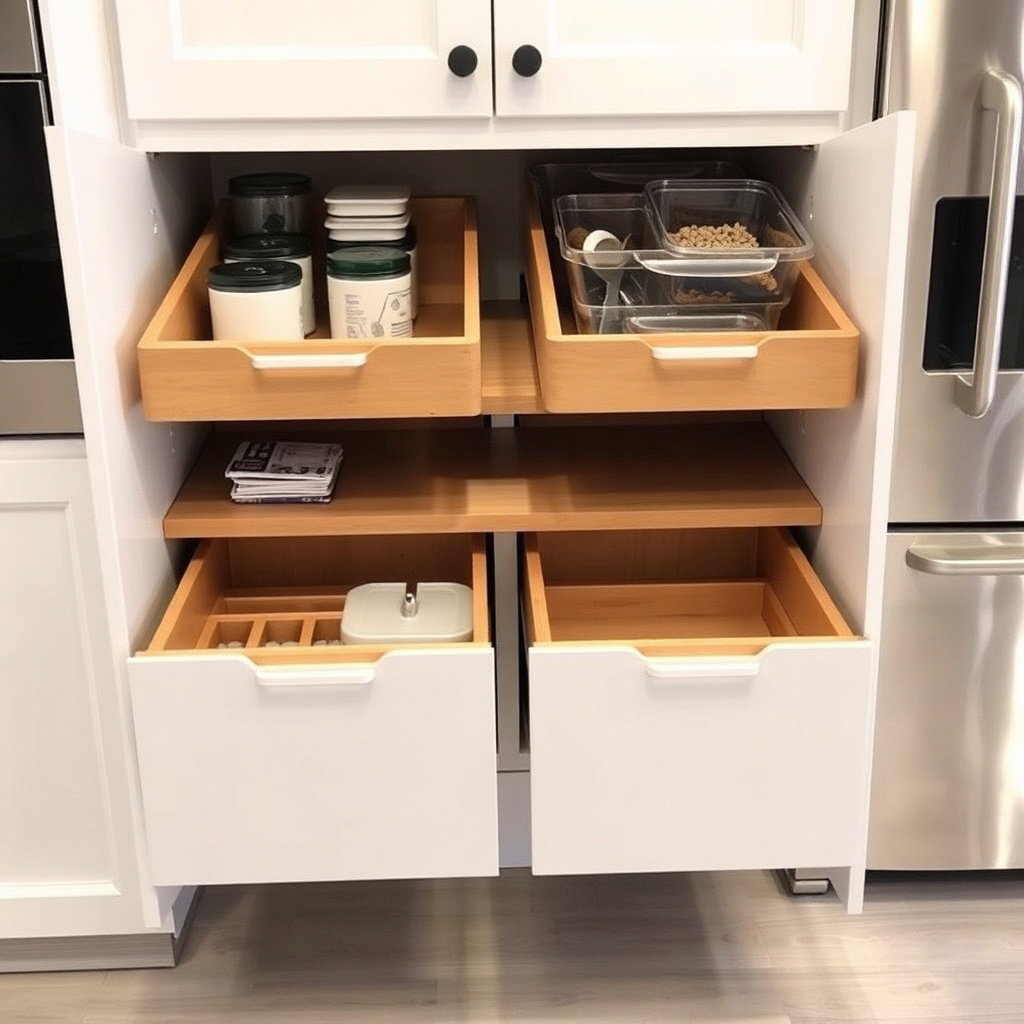
Utilizing Pull-Out Drawers and Racks
Pull-out drawers in lower cabinets give easy access to pots and pans without awkward bending or stacking. Spice racks, vertical dividers, and tiered shelves can increase cabinet capacity and keep items visible.
Integrate pull-out trash bins and recycling stations into lower cabinets to hide waste while keeping the area clean and convenient.
Creative Use of Vertical Space
Wall-mounted shelves and magnetic strips for knives or spice jars free up counter and drawer space. Hanging pot racks can showcase cookware while reducing storage needs inside cabinets.
High shelves or pegboards can keep seldom-used items tucked away but accessible when needed, preserving valuable workspace.
Organizing Pantry and Food Storage Efficiently
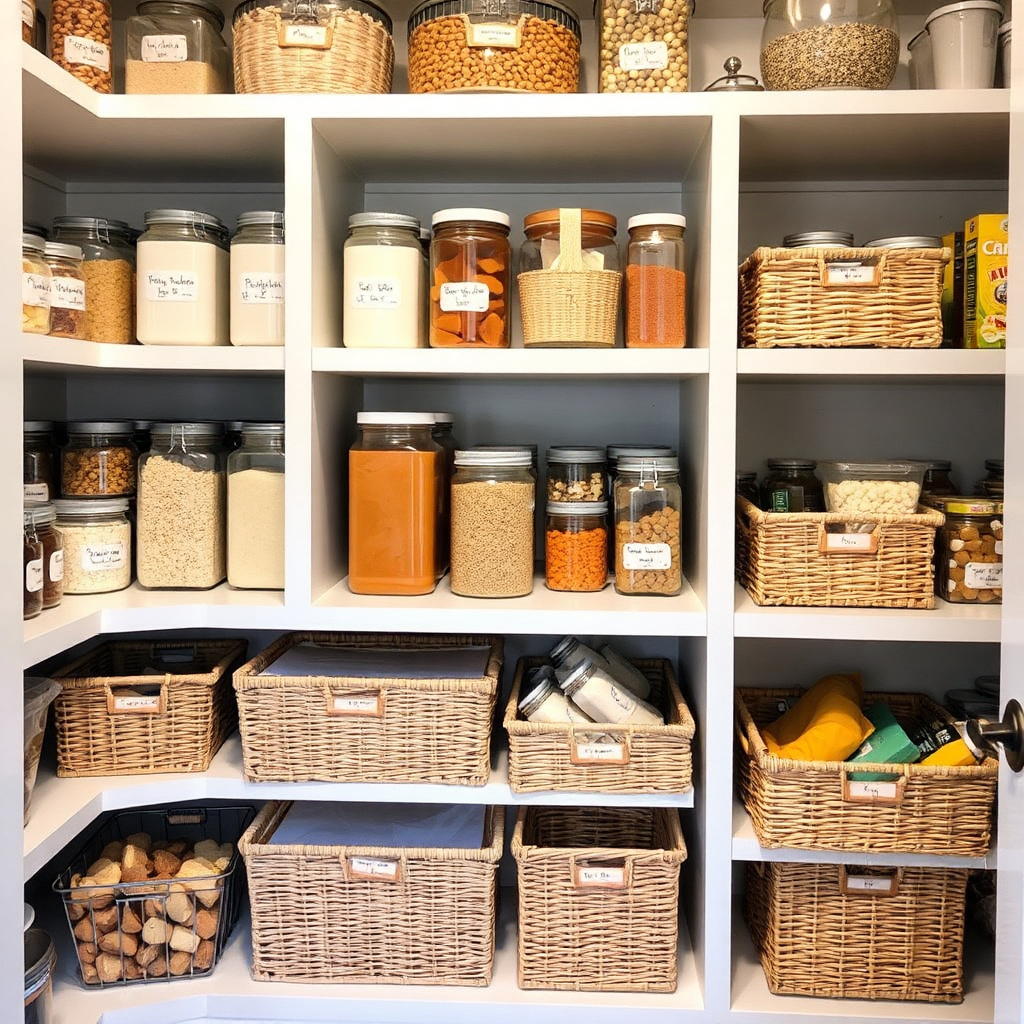
Grouping Pantry Items by Type
Store dry goods like grains, pastas, and baking supplies in airtight containers grouped by category to prevent spoilage and simplify meal planning. Label all containers for quick identification.
Use baskets or bins to hold snacks, canned foods, or baking ingredients, which helps keep the pantry tidy and makes it easier to rotate stock and avoid expired items.
For more on this, see our related guide: 10 Tips to Display Cutting Boards on Your Kitchen Counter.
Maximizing Space with Tiered Organizers
Tiered shelving units allow you to stack items at different heights, minimizing wasted vertical space and improving visibility for smaller items.
Adjustable shelves and door-mounted racks can increase storage versatility and prevent clutter from building up in the deepest parts of pantry cabinets.
Maintaining Your Kitchen Organization
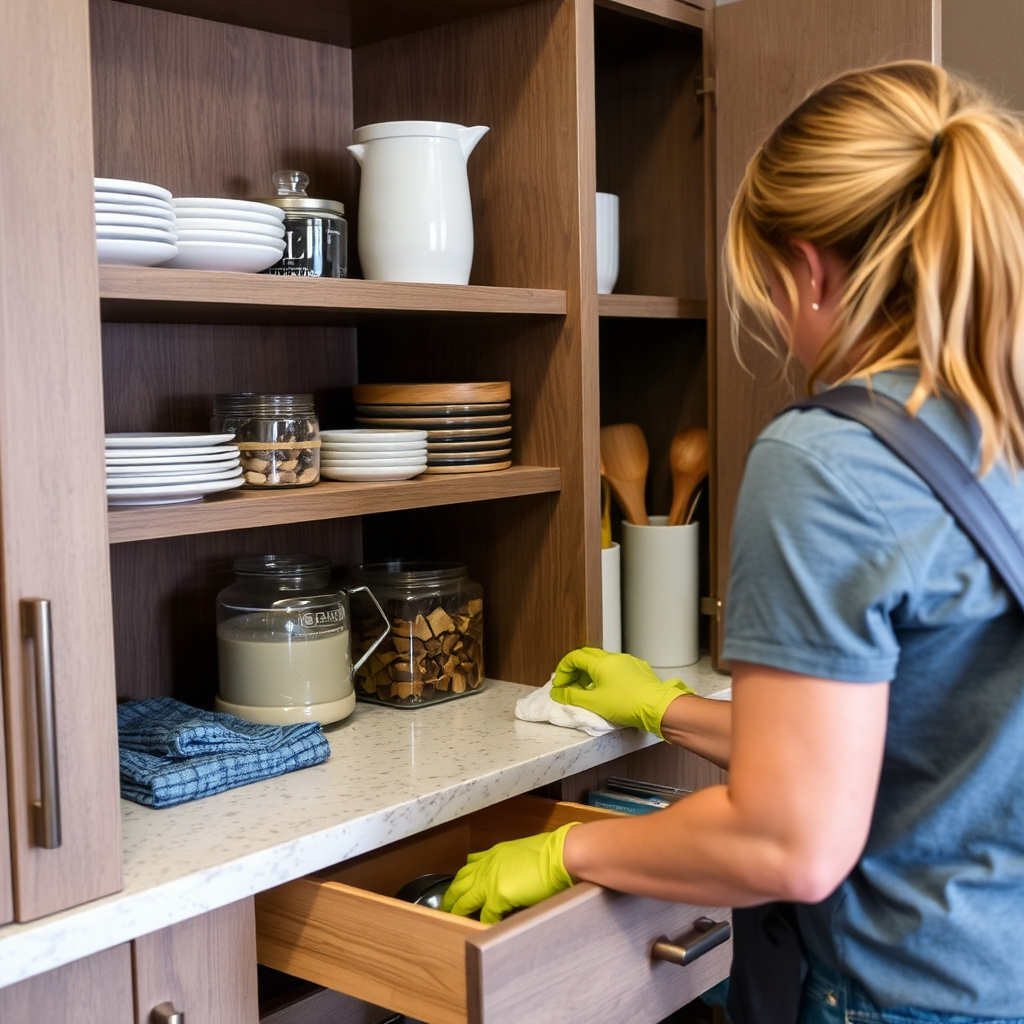
Routine Decluttering and Cleaning
Set aside time weekly or monthly to declutter expired food, broken items, or utensils you no longer use. Keeping only essentials prevents accumulation of unnecessary clutter.
Regularly wipe down cabinets, shelves, and counters to maintain a clean environment that supports good organization.
Adjusting Layouts as Needs Change
Be open to reorganizing storage zones if your cooking habits or family needs evolve. Flexible storage solutions like adjustable shelves and modular units can accommodate changes without major renovations.
Review and update your kitchen storage every season to keep it aligned with your lifestyle and prevent disorganization over time.
Incorporating Kitchen Storage Ideas for Small Spaces
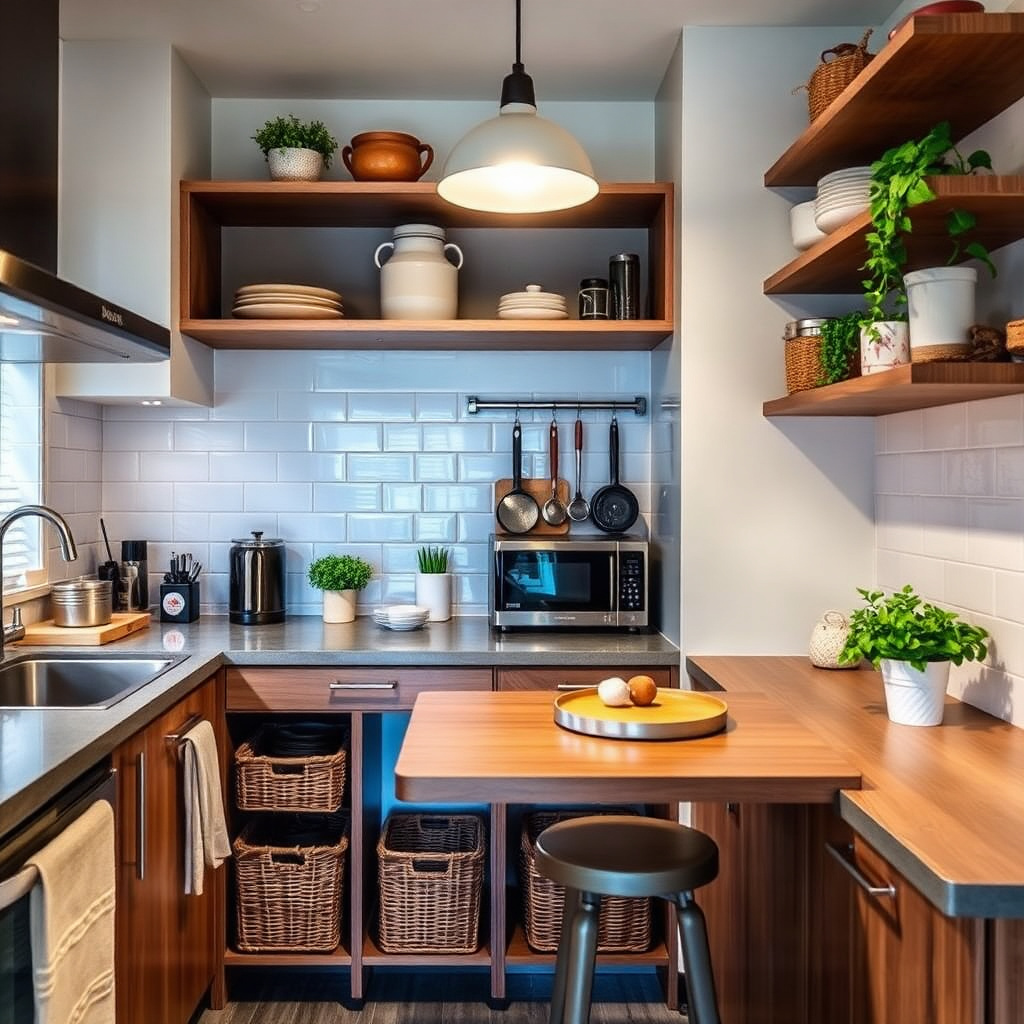
Utilizing Multi-Functional Furniture
Small kitchens benefit from furniture that serves multiple purposes, such as foldable tables that double as prep areas or storage benches that hide kitchen tools.
Compact carts on wheels can provide additional counter space and storage that can be moved according to need.
For more on this, see our related guide: 7 Easy Steps to Unclog a Kitchen Drain.
Maximizing Hidden and Underused Spaces
Under-shelf baskets and hooks inside cabinet doors can store smaller items like spices or utensils efficiently. Magnetic knife strips save drawer space and keep blades accessible.
Utilize corners and above-cabinet spaces with custom shelves or hanging storage to keep flatware and equipment organized but out of the way.
Choosing the Best Containers and Organizers
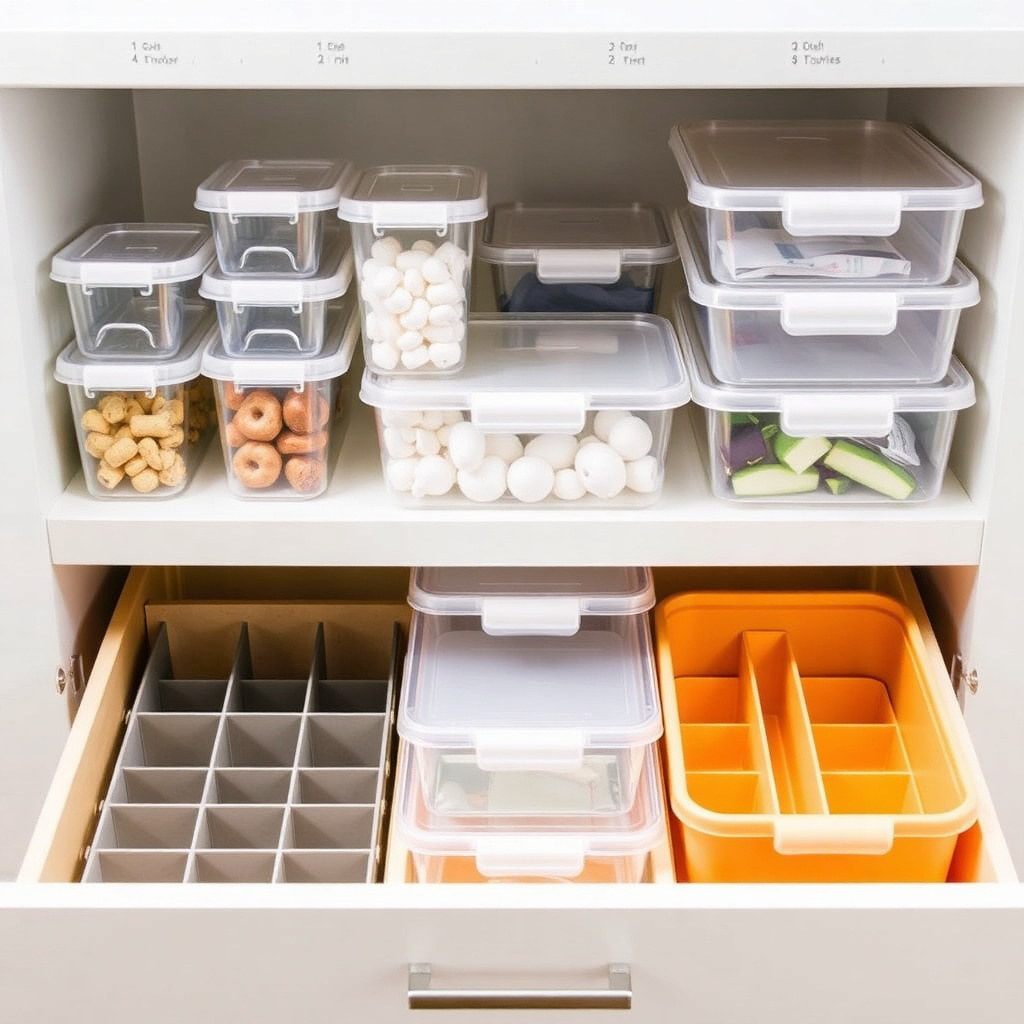
Selecting Durable and Clear Containers
Opt for clear containers made of BPA-free plastic or glass so contents are visible, reducing the chance of forgetting items inside. Containers with airtight seals preserve freshness and prevent spills.
Stackable containers help utilize vertical space inside cabinets or the fridge efficiently and keep food organized.
Drawer Dividers and Shelf Organizers
Drawer dividers separate utensils and tools, preventing jumbled clutter and making each item easy to find. Adjustable dividers offer flexibility for various drawer sizes.
Shelf organizers like risers double your space by creating layers for plates, bowls, or canned goods, keeping your kitchen tidy.
Organizing Kitchen Tools and Utensils
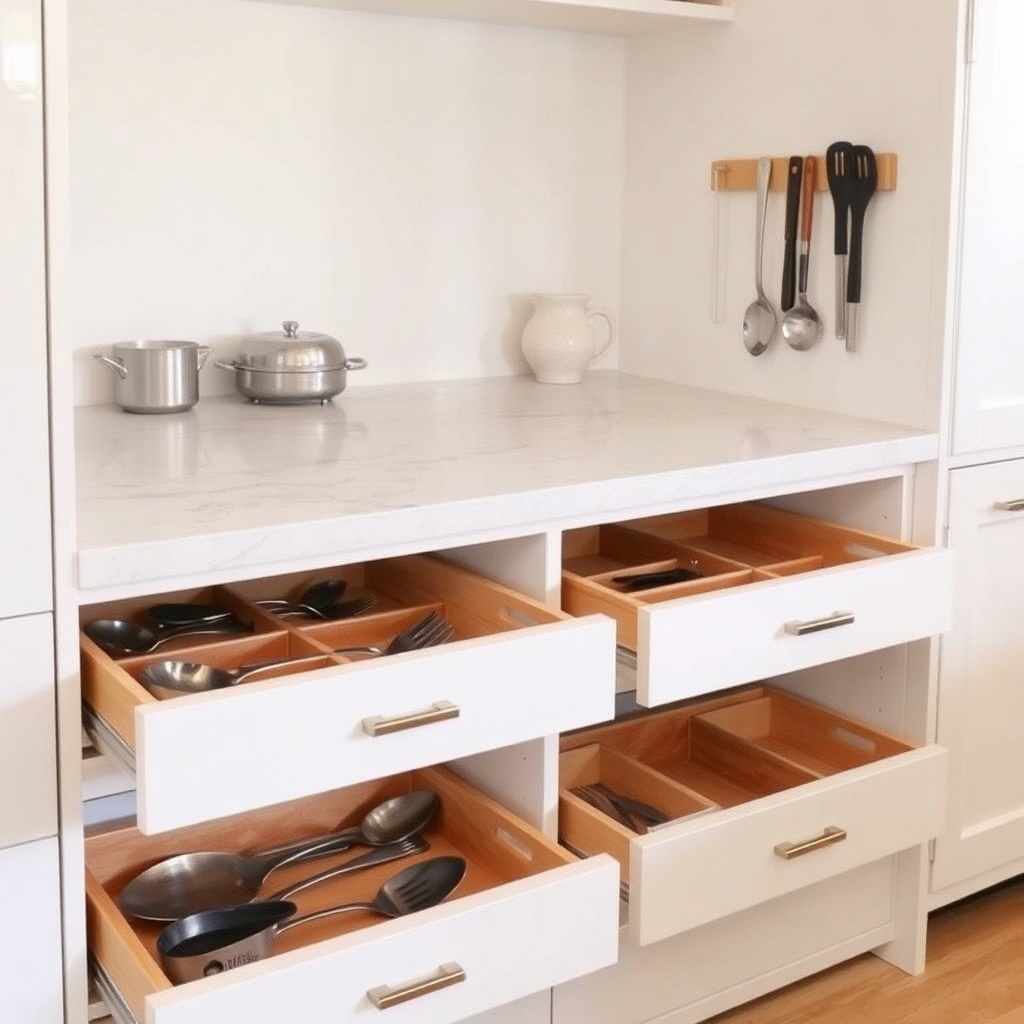
Efficient Drawer and Countertop Solutions
Divide drawers with trays that fit knives, forks, spoons, and gadgets separately to avoid clutter. Countertop holders for frequently used utensils can save drawer space and speed up cooking.
Keep specialty tools together in labeled containers or drawers to minimize search time.
For more on kitchen layouts and design, explore this detailed article on kitchen design principles. Kitchen design principles.
Utilizing Wall and Door Space
Install hooks or magnetic strips on walls or inside cabinet doors for hanging ladles, whisks, and knives. This keeps your tools visible and accessible without cluttering drawers or counters.
Pegboards offer customizable storage for differently sized utensils and can be arranged according to your workflow.
Kitchen Organization Methods Comparison
Here is a comparison of different kitchen organization methods highlighting their benefits and best use cases.
| Method | Best For | Space Required | Maintenance Level |
|---|---|---|---|
| Zonal Organization | All kitchen sizes | Moderate | Medium |
| Pull-Out Drawers and Racks | Medium to large kitchens | High | Low |
| Vertical Space Utilization | Small kitchens | Low | Medium |
| Tiered Pantry Organizers | Pantry-heavy kitchens | Low to moderate | Low |
| Multi-Functional Furniture | Compact kitchens | Variable | Medium |
Frequently Asked Questions
How often should I reorganize my kitchen?
It’s practical to reorganize your kitchen every few months or when your cooking needs change significantly to keep the space functional and clutter-free.
What is the best way to store spices?
Store spices in clear, airtight containers located near your cooking zone. Magnetic racks or drawer inserts help keep them organized and accessible.
How can I make a small kitchen more organized?
Use vertical storage, multi-functional furniture, and hidden organizers like under-shelf baskets to maximize space and reduce countertop clutter.
Are clear containers better for pantry organization?
Yes, clear containers allow you to see contents at a glance, help reduce waste, and keep ingredients fresh when sealed properly.
What should I put near the sink in my kitchen layout?
Keep cleaning supplies, dish soap, scrubbers, and trash or recycling bins close to the sink to streamline cleanup tasks.
Key Takeaways
- Divide your kitchen into zones for cooking, prepping, cleaning, and storage.
- Use smart storage solutions like pull-out drawers and vertical racks to maximize space.
- Group pantry items in labeled containers and use tiered organizers for efficiency.
- Regularly declutter and adapt your kitchen layout to match your evolving needs.
Conclusion
Organizing your kitchen effectively revolves around creating dedicated zones tailored to how you use the space and investing in storage solutions that enhance accessibility and efficiency. By thinking through your daily cooking routines, you can design a layout that minimizes unnecessary movement and keeps everything you need within easy reach. This structured approach streamlines meal prep, saves time, and reduces clutter, making the kitchen a more pleasant environment overall.
Choosing among organization methods depends on your kitchen size and lifestyle. For small kitchens, emphasizing vertical space and multi-functional furniture offers meaningful improvements. Medium and larger kitchens benefit from pull-out drawers and detailed zonal layouts that neatly separate cooking, storage, and cleaning tasks. Incorporating clear, labeled containers for pantry staples supports effortless inventory management and meal planning, while regular maintenance prevents disorganization from creeping back in.
Start by assessing your current kitchen workflow and storage pain points. Experiment with reassigning zones or adding simple organizers like drawer dividers or spice racks. Implement gradual upgrades based on your budget and preferences rather than attempting a full overhaul at once. This measured strategy results in lasting kitchen organization that supports your daily life without unnecessary stress or expense.