
How to Organize Your Kitchen for Maximum Efficiency and Comfort
Organizing your kitchen effectively starts by categorizing your items and assigning designated spaces based on frequency of use and task zones. Group utensils, cookware, and ingredients logically to streamline meal prep and keep clutter at bay. Prioritize easy access to everyday essentials while storing occasional-use items in less accessible areas.
A well-organized kitchen reduces stress, saves time, and can make cooking more enjoyable. Understanding the kitchen workflow—such as prep, cooking, and cleaning zones—helps in placing items where you need them most. Proper organization also maximizes limited space and promotes safety by preventing overcrowded countertops and cabinets.
This guide outlines practical methods for sorting kitchen tools, arranging cabinets and drawers, using smart storage solutions, and maintaining order. We’ll explore how to design zones that suit your cooking style, select storage options like racks and organizers, and adopt daily habits to keep your kitchen efficient and welcoming.
Designing Kitchen Zones for Better Organization
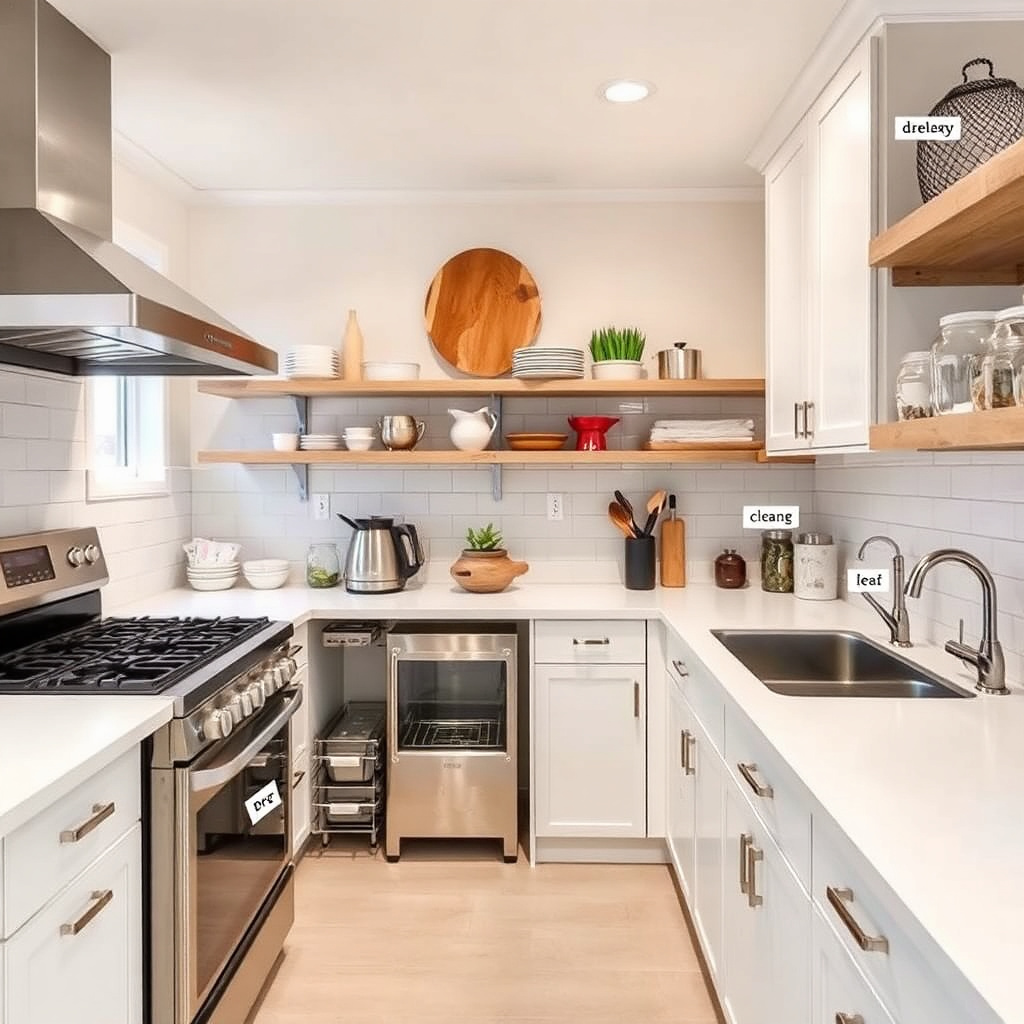
Understanding Primary Kitchen Zones
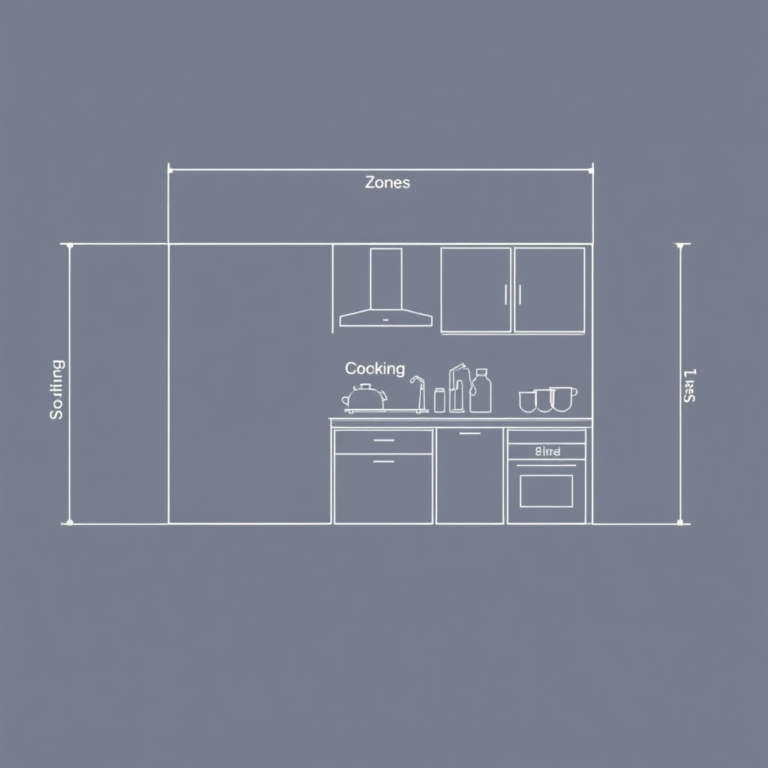
Dividing your kitchen into specific zones for prepping, cooking, cleaning, and storage helps streamline tasks. For example, place knives, cutting boards, and mixing bowls near prep areas, while pots and pans belong close to the stove. This arrangement minimizes unnecessary movements during cooking.
Zoning also aids in deciding where to install additional storage solutions or countertops. Mapping out your kitchen workflow supports a functional layout that reduces clutter and enhances efficiency.
Tailoring Zones to Your Cooking Style
Consider how often you cook and what methods you most frequently use. If baking dominates your routine, allocate space for baking tools and ingredients together. For frequent stir-fry or grilling, keep relevant cookware and seasonings accessible near the stove.
Customizing zones according to your habits not only makes organizing logical but also boosts convenience, making every meal preparation smoother.
Smart Kitchen Storage Solutions
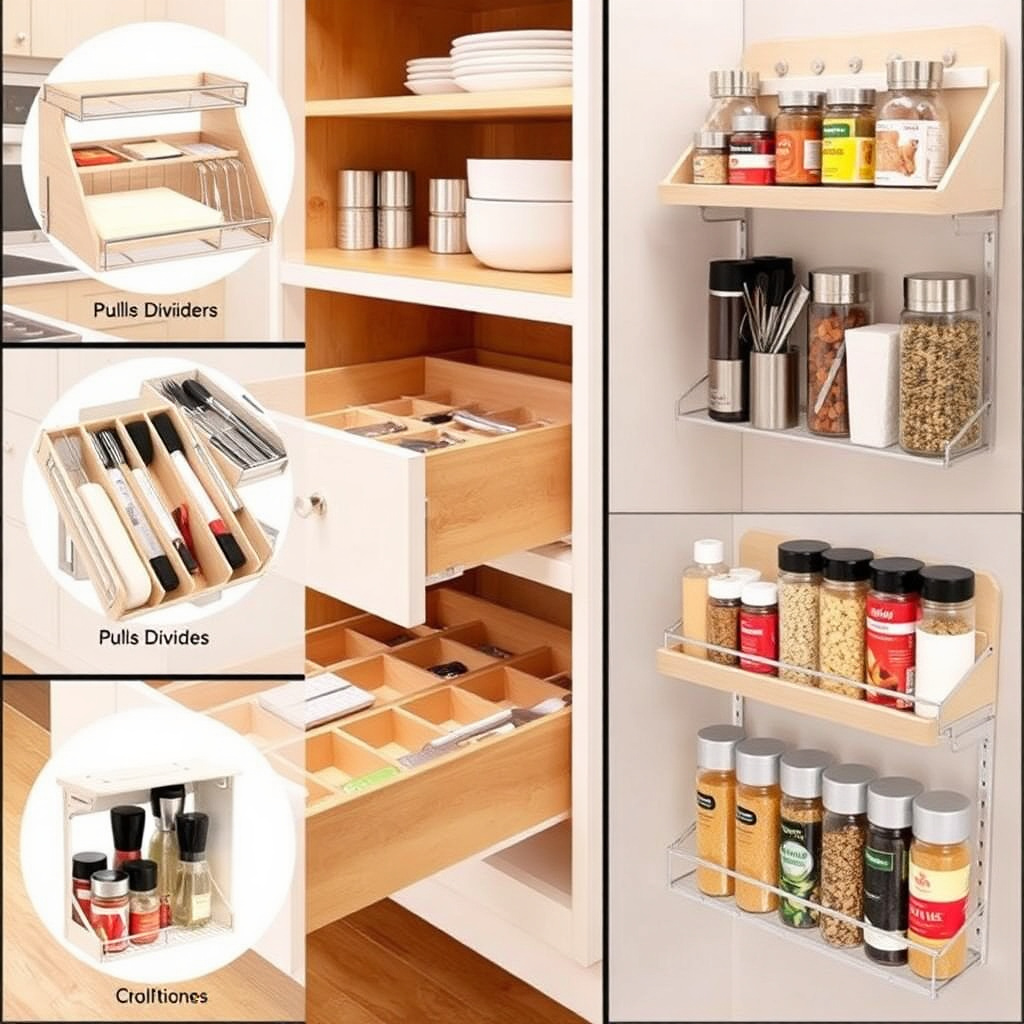
Maximizing Cabinet and Drawer Space
Install pull-out shelves and drawer dividers to utilize deep cabinets efficiently. These tools keep pots, lids, and utensils visible and accessible, preventing stacked clutter. Adjustable shelves allow customization to fit various item sizes.
Organizing with vertical storage inside cabinets maximizes capacity and separates different categories of kitchen tools to avoid mixing fragile items with heavy cookware.
- Pull-out shelves for easy reach
- Adjustable dividers for utensils
- Vertical racks for baking sheets and lids
Utilizing Vertical and Wall Space
Wall-mounted shelves, magnetic strips for knives, and hooks for hanging pots and pans free up counter and cabinet space. These options keep frequently used items within reach and add a decorative touch to the kitchen.
Consider installing pegboards or rail systems to customize hanging solutions for utensils and small appliances, keeping counters uncluttered.
- Magnetic knife strips
- Wall hooks for cookware
- Pegboards for utensils
Organizing Kitchen Appliances and Gadgets
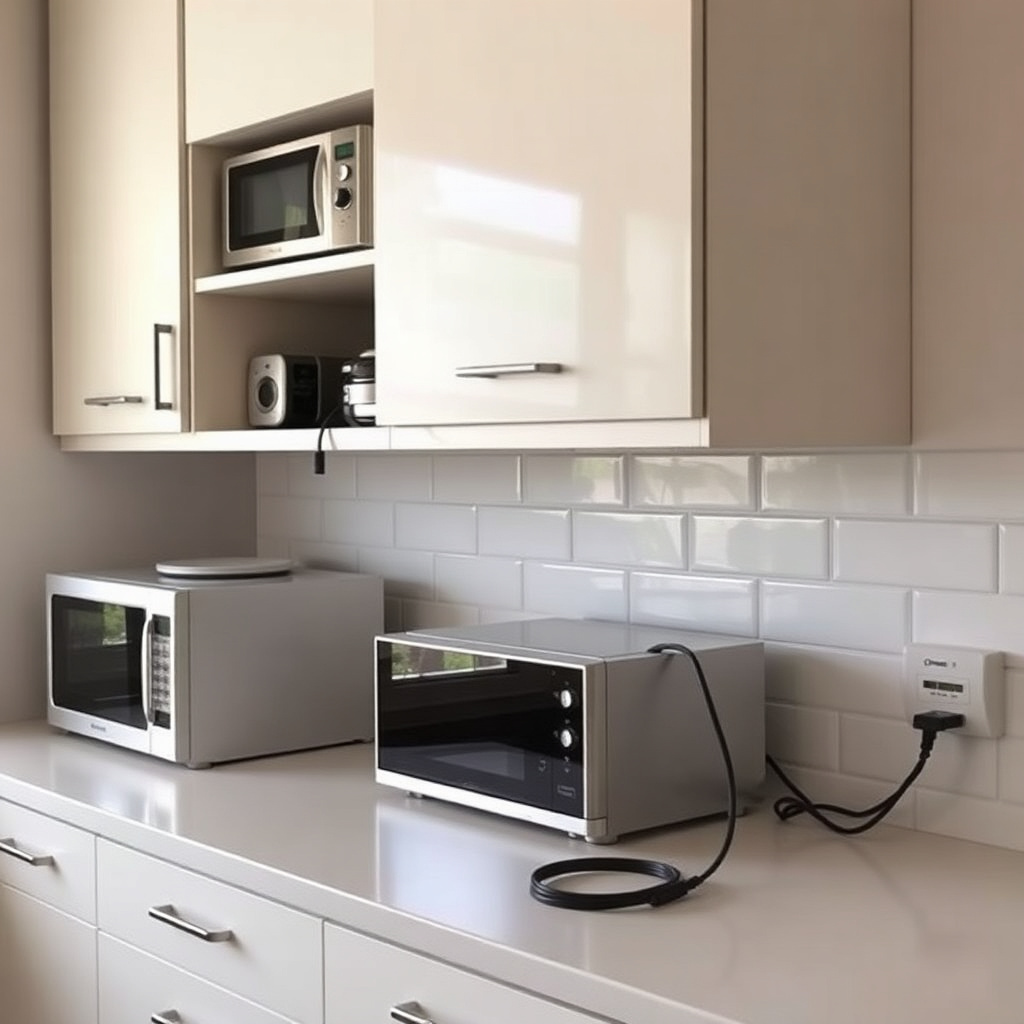
Storing Small Appliances Strategically
Identify appliances you use daily and store them on countertops or open shelves for quick access. Items used less often, like ice cream makers or specialty blenders, can be housed in higher cabinets or pantry shelves.
Designate specific appliance storage areas to avoid random placement that clutters countertops and drawers, keeping the kitchen neat and functional.
- Designated appliance shelf or cabinet
- Cord management solutions
For more on this, see our related guide: 5 Tips on Where to Put Microwave in Small Kitchen.
Managing Gadgets and Cord Clutter
Cable organizers, twist ties, or retractable cords prevent tangling behind appliances. Store cords inside drawers with dividers or use cable clips on shelves. Proper cord management enhances safety and visual tidiness.
Keep user manuals and accessory parts grouped in labeled containers near respective appliances to make maintenance and use easier.
- Cable wraps or clips
- Labeled storage boxes for accessories
Practical Tips for Pantry and Food Storage
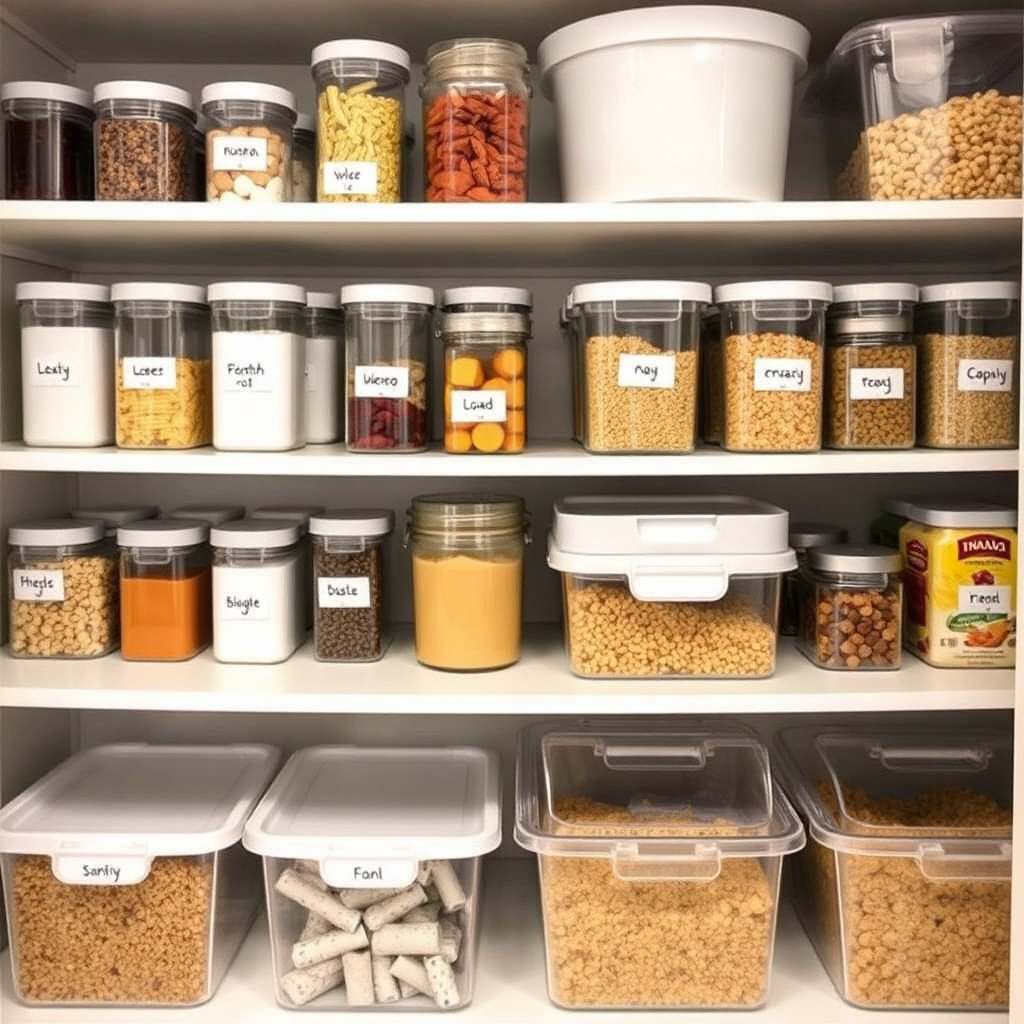
Using Clear and Labeled Containers
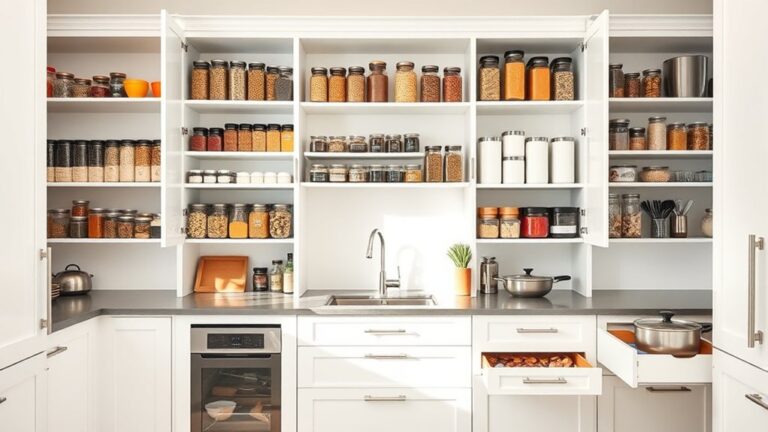
Store bulk ingredients like flour, sugar, and grains in airtight, clear containers. Label each with contents and expiration dates to maintain freshness and reduce waste.
Uniform containers save space by stacking neatly and create a visually cohesive pantry. This method simplifies finding items and encourages timely use.
- Airtight clear containers
- Labels with expiration dates
- Stackable container sets
Organizing for Accessibility and Rotation
Place frequently used items at eye level or front shelves. Move newest groceries to the back to use older stock first, preventing spoilage. Use lazy Susans or pull-out trays for easier access in deep cabinets.
Group items by category such as baking, snacks, or canned goods to reduce search time and maintain order.
- Lazy Susans and pull-out trays
- Category grouping for foods
- FIFO (first-in, first-out) placement
Maintaining Kitchen Organization Daily
Daily Cleaning and Decluttering Routines
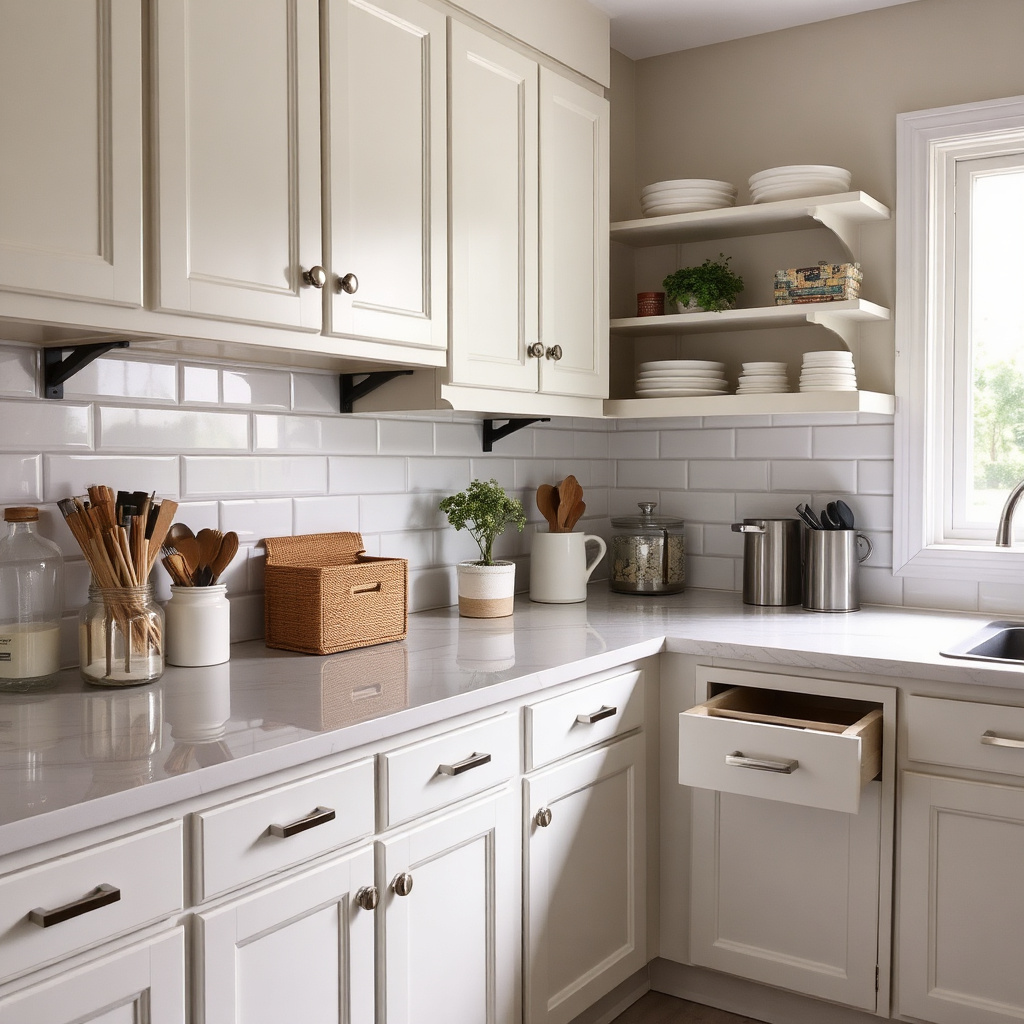
Wipe countertops and put away items after each use to prevent clutter build-up. Regularly check drawers and pantry for abandoned or expired items to keep spaces functional.
Simple habits like resetting zones and sorting mail or papers elsewhere keep the kitchen workspace clear and inviting.
- End-of-day tidying
- Expiration date checks weekly
For more on this, see our related guide: 10 Tips to Style Kitchen Counters.
Adjusting Organization Systems Over Time
As cooking habits or family size change, revisit your kitchen organization to update zones and storage. Flexibility in design supports long-term usability without wholesale redesigns.
Experiment with storage solutions and re-label areas as needed to keep the system intuitive and efficient.
- Seasonal reorganization
- Flexible storage updates
How to Organize Your Kitchen Efficiently
Grouping Items by Function and Frequency
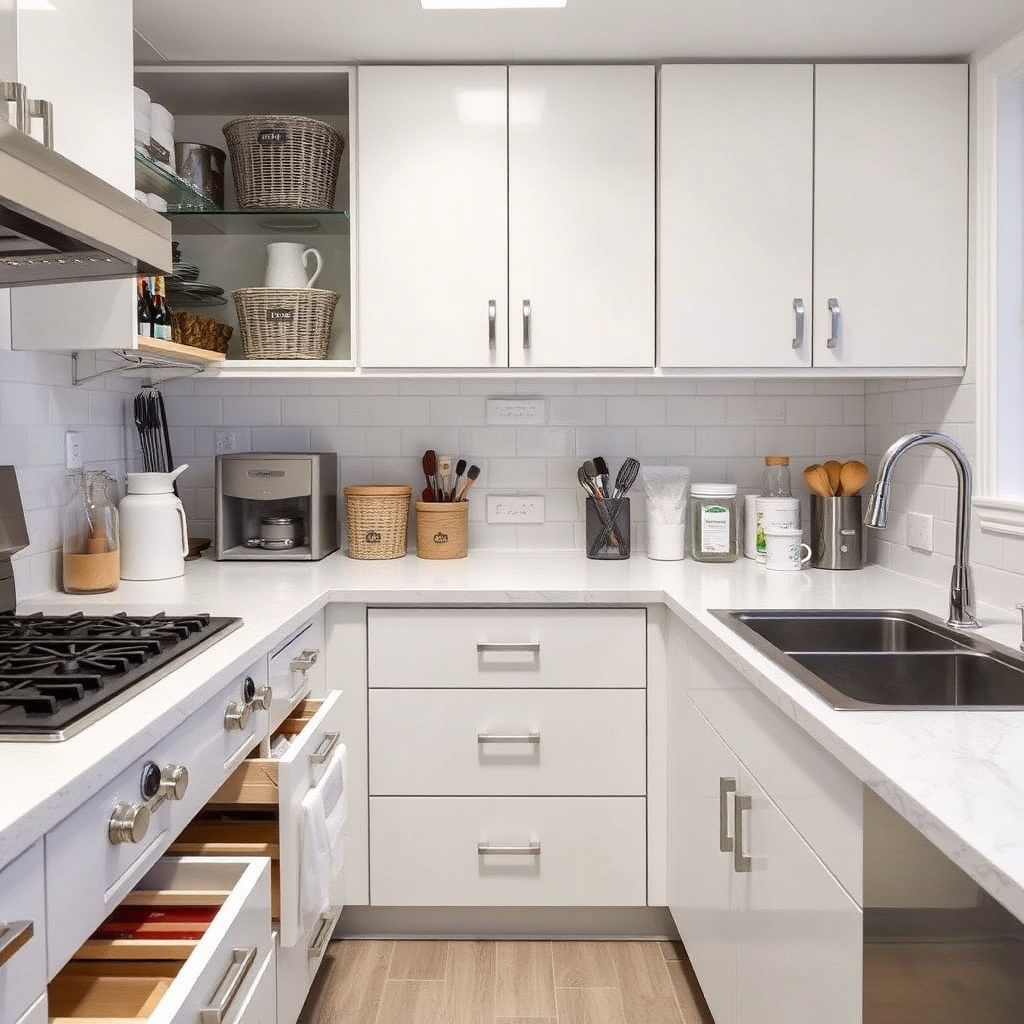
Groups kitchen tools according to their usage, such as all baking tools together and utensils near prep zones. Store everyday items close to where they're used to reduce extra movements while cooking.
Frequency-based placement means keeping daily essentials front and center, while specialty or rarely used items go into harder-to-reach spots.
For professional insights on kitchen organization and design, the National Kitchen & Bath Association offers valuable guidance. Kitchen organization tips from the National Kitchen & Bath Association.
Combining Zoning and Storage Solutions
Integrate kitchen zones with storage tools like dividers and racks to fully optimize space. For example, keep prep tools in divided drawers near the countertop; spices on rotating racks next to the stove.
This method encourages a smooth cooking process, reducing time spent searching for tools or ingredients.
Kitchen Organization Methods Comparison
Below is a comparison of popular kitchen organization methods, highlighting their benefits and ideal use cases.
| Method | Best For | Space Usage | Maintenance Level |
|---|---|---|---|
| Zone-Based Organization | Streamlined workflow kitchens | Efficient use of space | Moderate – needs regular upkeep |
| Minimalist Approach | Small kitchens and minimalism enthusiasts | Maximizes open space | High – requires daily decluttering |
| Containerized Storage | Pantries and bulk ingredient storage | Optimizes shelving space | Low – mostly initial setup |
| Vertical and Wall Storage | Kitchens with limited countertop space | Frees up counters and cabinets | Moderate – periodic rearrangement |
Frequently Asked Questions
How often should I reorganize my kitchen?
Reorganize your kitchen whenever your cooking habits change or seasonally to prevent clutter buildup. Regular checks every few months work well to adjust storage and maintain order.
What are the best containers for food storage?
Airtight, clear plastic or glass containers with secure lids are ideal for maintaining freshness and easy identification. Labels help track contents and expiration dates.
How can I keep my countertops clutter-free?
Store appliances you use less often in cabinets or shelves, and only keep daily essentials on the counter. Using wall-mounted racks and hooks further frees up surface space.
Is it better to group items by type or by function?
Grouping by function generally improves efficiency during cooking, but grouping by type can work well in pantries or drawer storage, depending on your preference.
What is the easiest way to manage kitchen gadget cords?
Use cable organizers, clips, or twist ties to bundle cords neatly. Storing cords inside dedicated boxes or drawers helps avoid tangling and hazards.
Key Takeaways
- Organize kitchens into zones based on tasks for smoother workflow.
- Use smart kitchen storage solutions like pull-out racks and vertical shelves.
- Group items by function and frequency of use for quick access.
- Maintain organization with daily tidying and periodic reorganization.
Conclusion
Organizing your kitchen thoughtfully starts with understanding your cooking habits and available space. Creating dedicated zones for different tasks and combining them with smart storage options lets you create a functional area that supports efficient meal preparation. Regular maintenance should complement the system, adapting as needs evolve to keep clutter minimal and workflow steady. The key is balancing accessibility with neatness so the kitchen remains welcoming and productive for every cook.
For those who prioritize a smooth cooking process, focusing on zone-based organization and kitchen storage solutions like pull-out trays and vertical shelves can transform the space. Minimalist kitchens benefit from decluttering surfaces and storing appliances appropriately. Pantry-focused organization relies heavily on containerized storage and labeling for clear visibility. By mixing these approaches according to your kitchen size and personal style, you can create a system tailored perfectly to your needs.
Start small by assessing your kitchen’s busiest areas and current pain points. Introduce zones, invest in practical storage tools, and develop simple cleaning habits to build order gradually. Evaluating how you use your kitchen and adjusting storage accordingly makes the space more enjoyable and efficient over time. Whether cooking simple meals or elaborate dishes, a well-organized kitchen supports your culinary creativity and keeps the heart of your home running smoothly.