
How to Clean Kitchen Effectively: Step-by-Step Guide for a Spotless Space
Cleaning a kitchen effectively starts with tackling the most used surfaces like countertops, sinks, and stovetops using suitable cleaners to remove grease and bacteria quickly. A consistent routine focusing on these areas ensures your kitchen stays hygienic and pleasant to use.
Keeping your kitchen clean matters because it helps prevent foodborne illnesses and keeps pests away while maintaining an inviting space for cooking and family gatherings. Regular cleaning avoids buildup that can become much harder to remove later on.
This article outlines practical steps to clean various kitchen elements including surfaces, appliances, floors, and waste areas. It also covers tools and products that help speed up the process, along with tips to maintain cleanliness daily.
Cleaning Kitchen Surfaces: Counters and Backsplashes
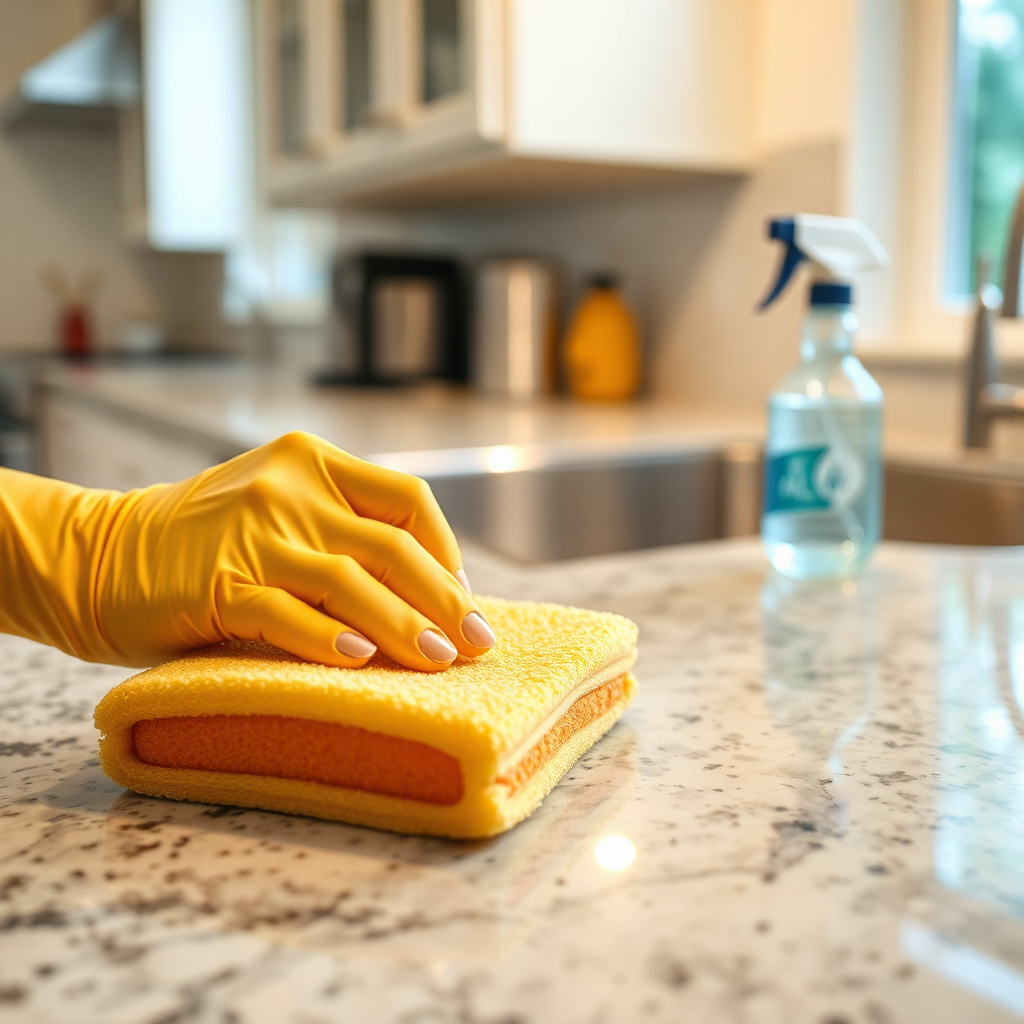
Choosing the Right Cleaner for Different Surfaces
Different kitchen surfaces require specific cleaners to avoid damage. For example, granite countertops benefit from pH-neutral cleaners, while stainless steel needs gentle sprays designed to preserve its finish. Using the wrong product can dull or erode surfaces over time.
Natural materials like wood or bamboo cutting boards need mild soap and water to prevent warping, whereas tile backsplashes can handle stronger detergents to remove grease and splatter stains effectively.
- Granite: pH-neutral cleaners
- Stainless steel: gentle, non-abrasive sprays
- Wood cutting boards: mild soap and water
- Tile backsplashes: stronger detergents
Step-by-Step Cleaning for Durable Results
Start by clearing away crumbs and debris from surfaces with a dry cloth or vacuum. Then apply your chosen cleaner liberally, allowing it to sit for a few minutes to loosen grime. Use a non-abrasive sponge or microfiber cloth to scrub gently.
Rinse with clean water afterward to remove any residue and dry surfaces thoroughly with a soft cloth to prevent streaks or water spots, especially on shiny or polished finishes.
Maintaining Appliance Cleanliness in Your Kitchen
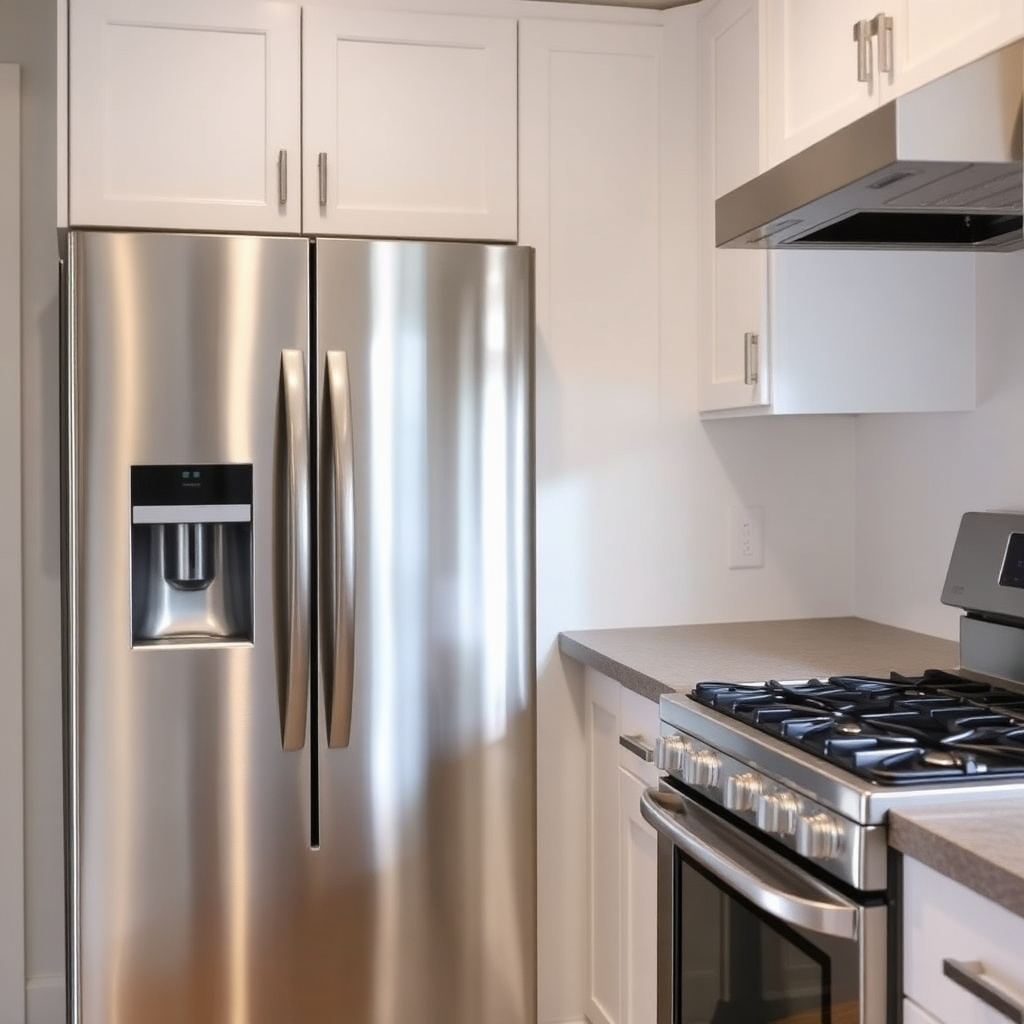
Cleaning the Refrigerator and Microwave
Remove all food items from the refrigerator and wipe shelves and drawers with a mixture of mild detergent and warm water. For stubborn stains, baking soda paste works well without harsh chemicals. Regular defrosting prevents ice buildup and improves efficiency.
Microwave interiors benefit from steam cleaning by heating a bowl of water with lemon juice inside for several minutes, softening grime and making wipe-downs quick and effortless.
For more on this, see our related guide: How to Clean a Kitchen Sink in 3 Easy Steps.
Oven and Stove Cleaning Essentials
Clean stovetop burners and grates after each use to prevent hardened grease. Use a degreaser spray for tougher buildup. Removing and soaking parts in warm soapy water helps maintain functional performance.
Oven cleaning involves applying a specialized oven cleaner or a baking soda paste, leaving it to work overnight, then scrubbing with a non-scratch pad to restore a spotless interior.
- Use degreaser sprays
- Soak removable parts
- Apply baking soda paste for ovens
Floor Care for a Clean Kitchen
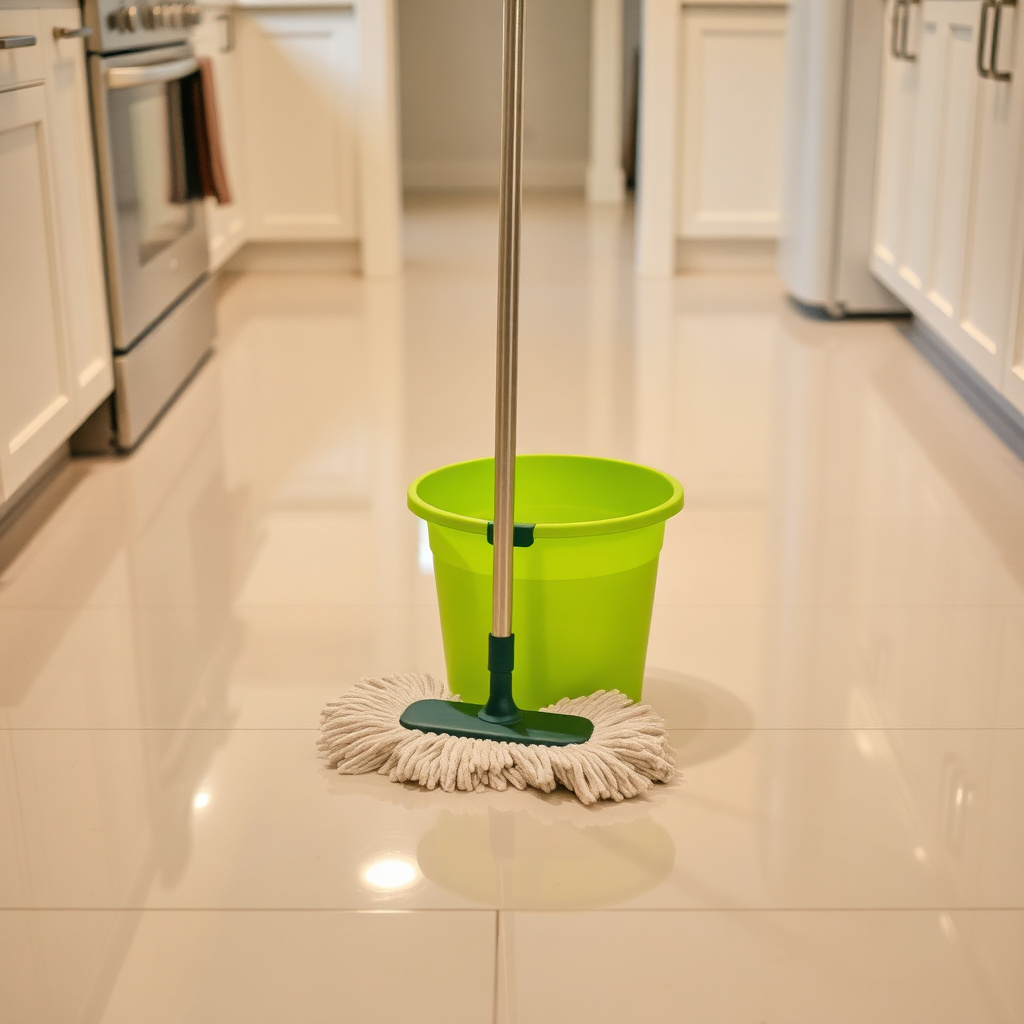
Sweeping and Vacuuming Techniques
Kitchen floors accumulate crumbs and dirt quickly, making daily sweeping or vacuuming essential. Use a broom with stiff bristles or a vacuum designed for hard floors to get into corners and beneath cabinets.
This frequent removal of loose debris simplifies deeper cleaning later, preventing particles from scratching the floor during mopping.
Mopping and Stain Removal Tips
Choose a mop compatible with your floor type—microfiber is great for most surfaces. Use a gentle floor cleaner diluted according to instructions. For stains, spot treat with a paste of baking soda and water, scrubbing lightly then rinsing clean.
Dry floors thoroughly to avoid slip hazards and maintain a polished appearance.
- Match mop to floor type
- Dilute cleaners properly
- Spot treat stains before mopping
Tackling Kitchen Sink and Drain Hygiene
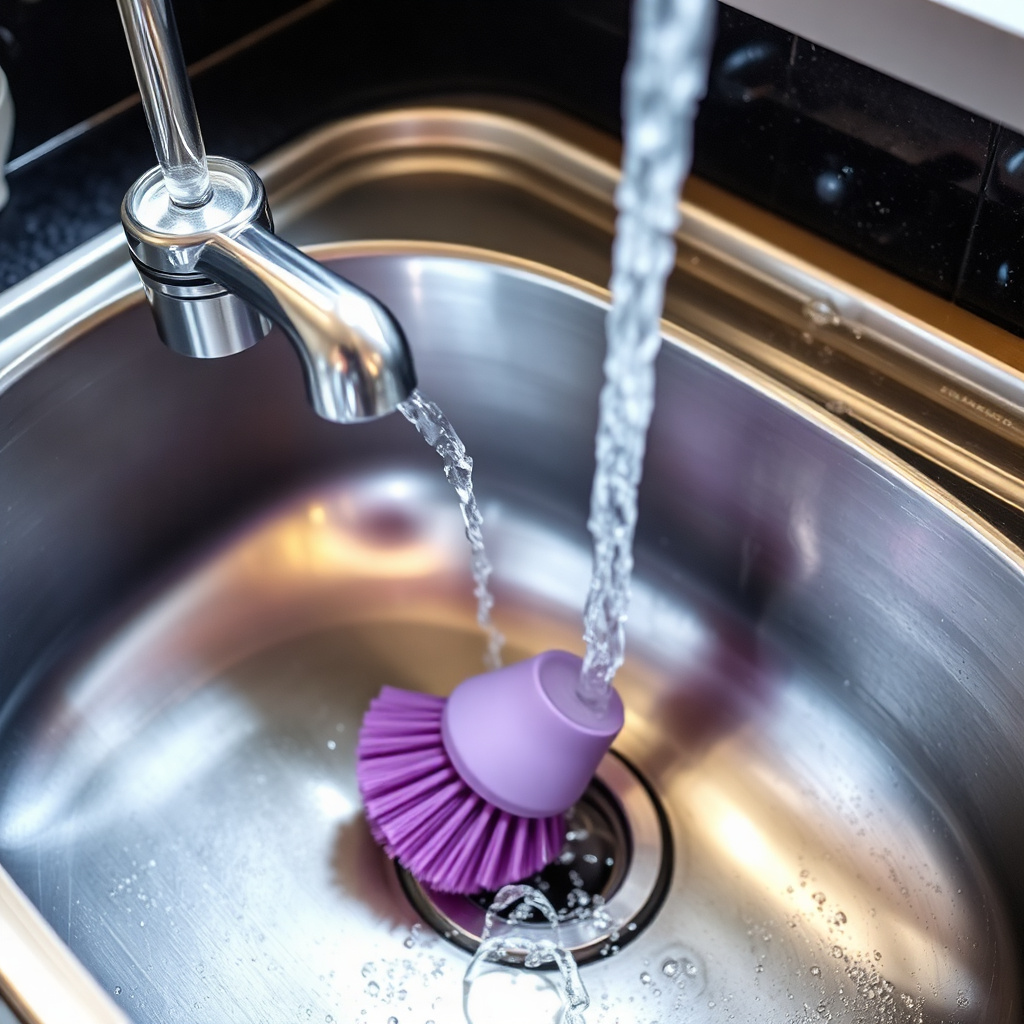
Effective Sink Cleaning Routines
Daily sink cleaning prevents odor and buildup. Use a mild abrasive like baking soda to scrub before rinsing with hot water. Avoid harsh chemicals that can damage stainless steel or porcelain surfaces.
Clean faucet handles and edges as dirt can accumulate there, causing microbial growth.
For more on this, see our related guide: 5 Easy Steps to Clean Kitchen Sink Drain Smell.
Unclogging and Deodorizing Drains
Pouring a cup of baking soda followed by vinegar down the drain can loosen grime and neutralize odors naturally. After bubbling settles, flush with boiling water to clear residues.
Regularly using a drain strainer helps catch food waste and prevents blockages.
- Use baking soda and vinegar treatment
- Flush with boiling water
- Employ drain strainers
Daily and Weekly Kitchen Cleaning Tips
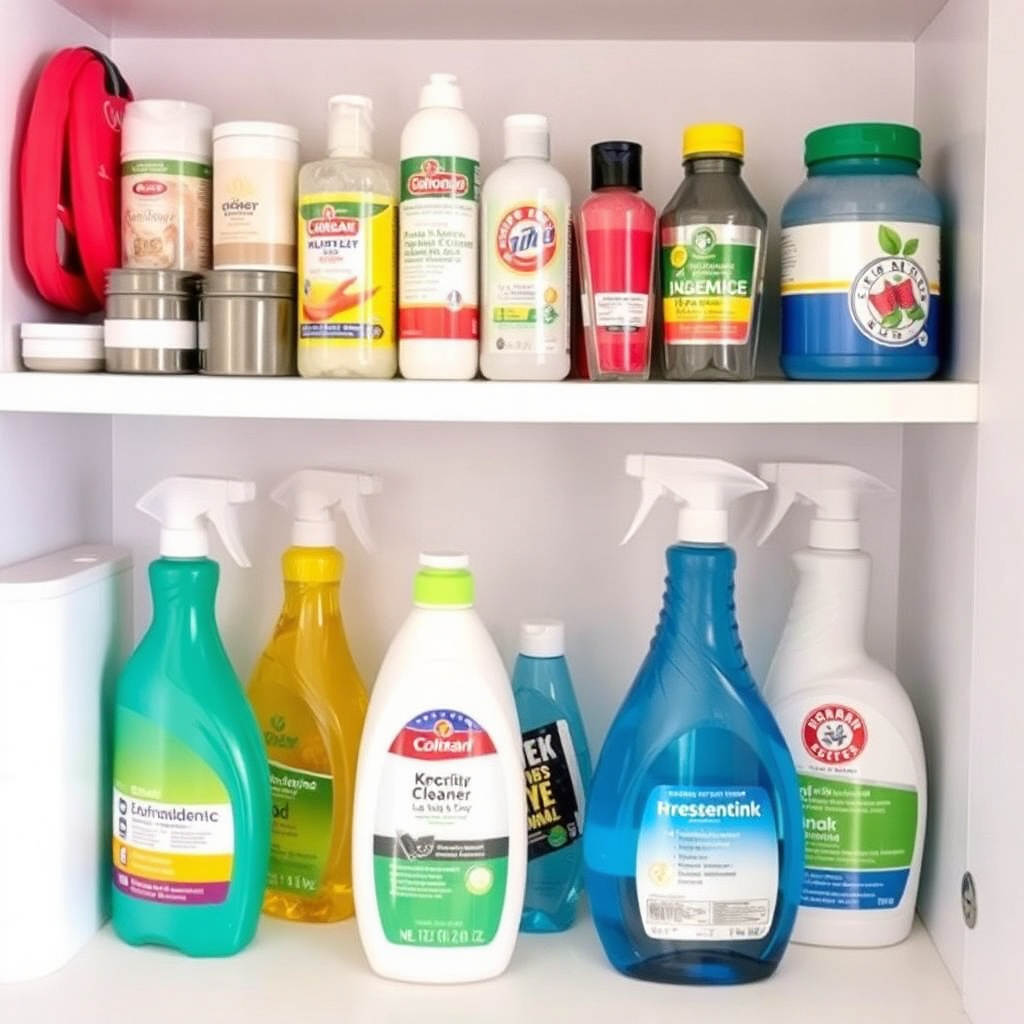
Establishing a Simple Daily Cleaning Routine
Focus on wiping down counters, washing dishes promptly, and sweeping floors each day to keep mess from accumulating. This practice reduces the workload for weekly intensive cleaning.
Empty trash bins regularly to avoid unwanted smells and pest attraction.
- Wipe counters daily
- Promptly wash dishes
- Sweep floors
- Empty trash bins
For more detailed information about kitchen hygiene principles, you can visit this comprehensive resource. Kitchen cleanliness and hygiene.
Weekly Deep Cleaning Practices
Set aside time once a week to clean inside appliances, mop floors thoroughly, and wash cabinet fronts and walls where grease accumulates. These actions keep your kitchen hygienic and inviting.
Rotate cleaning tasks to cover less obvious areas like behind the fridge and under the sink.
Cleaning Products Category Comparison
Here's a comparison of popular cleaning product categories and their best uses for kitchen cleaning tasks.
| Product Type | Best For | Pros | Cons |
|---|---|---|---|
| All-purpose cleaner | Counters, appliances | Versatile, easy to use | May not suit sensitive surfaces |
| Natural cleaners | Eco-friendly surfaces | Non-toxic, safe for kids/pets | Less powerful on grease |
| Degreasers | Oven, stovetop grease | Strong stain removal | Can be harsh, needs proper ventilation |
| Baking soda & vinegar | Drain cleaning, deodorizing | Affordable, natural | Limited surface disinfecting |
| Microfiber cloths | Surface wiping | Reusable, effective with minimal product | Require frequent washing |
Frequently Asked Questions
How often should I clean my kitchen counters?
Kitchen counters should ideally be cleaned after every meal preparation to prevent bacteria buildup and keep the surface hygienic.
Can I use bleach to clean my kitchen sink?
Using bleach occasionally is safe if diluted well, but frequent use can damage surfaces and should be avoided in favor of gentler cleaners.
What's the best way to remove stubborn grease from stovetops?
Applying a degreaser spray and allowing it to sit before scrubbing with a non-abrasive pad is an effective method for stubborn stovetop grease.
Is vinegar effective for disinfecting kitchen surfaces?
Vinegar has some antibacterial properties but is not classified as a disinfectant; for thorough disinfection, specialized products are better.
How can I prevent drains from getting clogged?
Using a drain strainer to catch food particles and regularly flushing drains with baking soda and vinegar helps prevent clogs effectively.
Are microfiber cloths safe for all kitchen surfaces?
Microfiber cloths are generally safe for most surfaces and are excellent at trapping dirt without scratching, but avoid using them on delicate finishes without testing.
Key Takeaways
- Target high-use surfaces daily to maintain kitchen cleanliness
- Select surface-specific cleaners to protect your kitchen materials
- Maintain appliances regularly to prolong their lifespan
- Incorporate natural and chemical cleaners wisely for best results
Conclusion
Approaching kitchen cleaning with a clear plan focused on frequently used surfaces and appliances keeps the space healthy and inviting. Prioritizing areas that accumulate the most grime and actively choosing appropriate cleaning products simplifies the upkeep. Maintaining a habit of daily tidying reduces large buildup and makes weekly cleaning more manageable, preserving both hygiene and the kitchen's aesthetic.
For example, using gentle all-purpose cleaners on countertops combined with baking soda and vinegar treatments for drains forms a balanced routine. Appliances like ovens and refrigerators require periodic deep cleans with degreasers and mild detergents to stay efficient. Floors benefit from daily sweeping paired with weekly mopping using floor-appropriate solutions. Adopting this structured approach fits well with varying kitchen sizes and usage levels.
Starting today, create a cleaning schedule that includes these techniques and product choices, tailored to your kitchen's materials and traffic. Experiment with the suggested kitchen cleaning tips and products mentioned to find what works best in your setting. The goal is a consistent, stress-free maintenance habit that keeps your kitchen spotless and safe for cooking, dining, and gathering.