
How to Organize Your Kitchen Cabinets for Maximum Efficiency
Organizing your kitchen cabinets starts with categorizing your items based on frequency of use and function. Place everyday dishes and utensils in easily reachable cabinets, while storing less used appliances and seasonal items higher or deeper inside. Maximizing cabinet space involves using bins, dividers, and shelf risers to create distinct zones.
Having an organized kitchen cabinet setup makes cooking and cleaning faster and more enjoyable. When each item has a designated spot, you save time searching and reduce kitchen clutter. This process also helps streamline grocery restocking and meal prep, improving your overall kitchen workflow.
This guide will explain how to plan your kitchen cabinet layout, suggest practical storage tools, and provide specific ideas for organizing different cabinet types such as upper cabinets, lower cabinets, and pantry closets. You will get actionable advice to transform your cabinets into a neat and efficient workspace.
Planning Your Kitchen Cabinet Layout
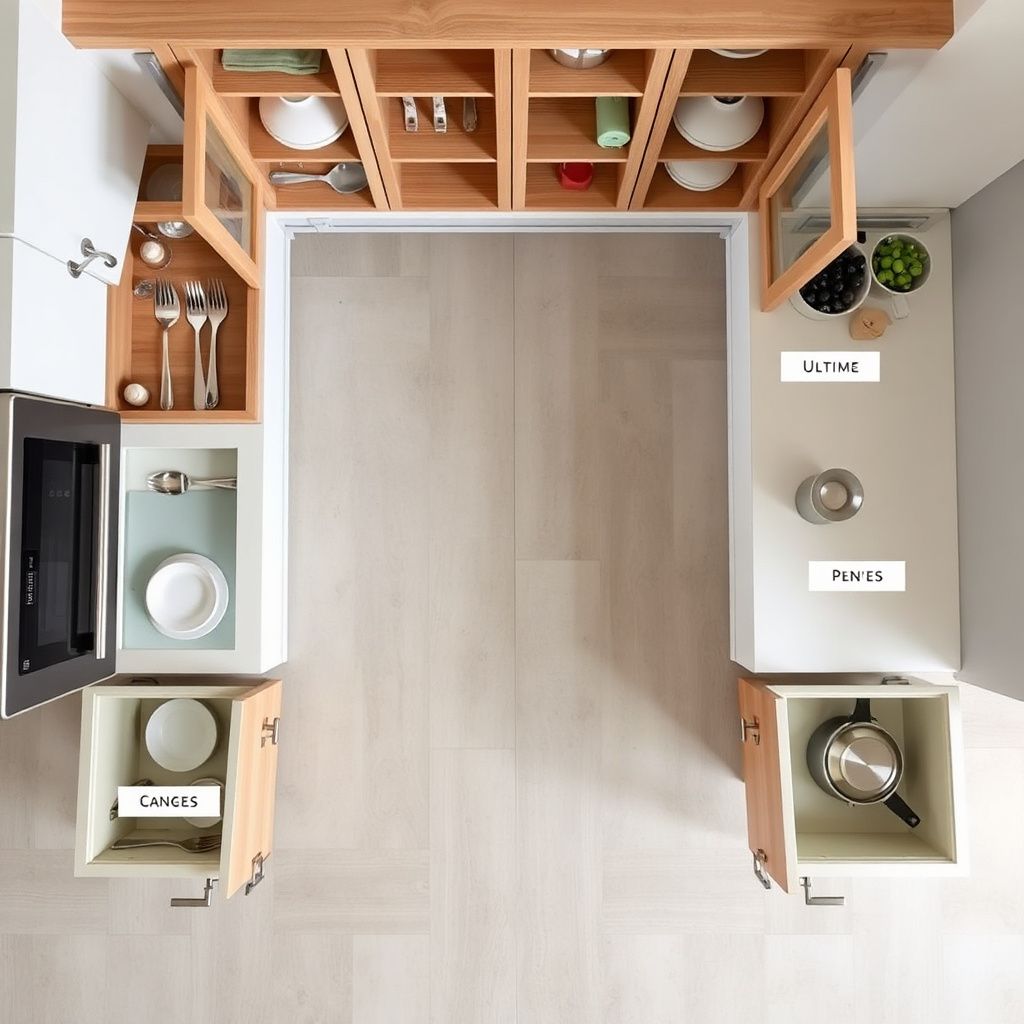
Assessing Cabinet Space and Usage
Begin by emptying your cabinets and sorting contents into categories such as cookware, dishware, pantry items, and utensils. This assessment lets you gauge how much space each category requires and identify frequently used items that need prime cabinet spots.
Evaluate dimensions of each cabinet to plan storage accordingly, considering cabinet depth and height limitations. Knowing your space helps determine what storage accessories might be needed to optimize it, such as pull-out trays for deep shelves or tiered racks for adjustable heights.
Creating Zones Based on Function
Organize cabinets by grouping items according to their use to streamline meal preparation. For example, designate one cabinet near the stove for pots and pans, another near the sink for cleaning supplies, and a separate area for bakeware.
This approach reduces unnecessary steps and bottle-necks during cooking, making your kitchen more user-friendly. Use drawer dividers and labeled containers to reinforce zones and maintain order over time.
Maximizing Storage Space in Kitchen Cabinets
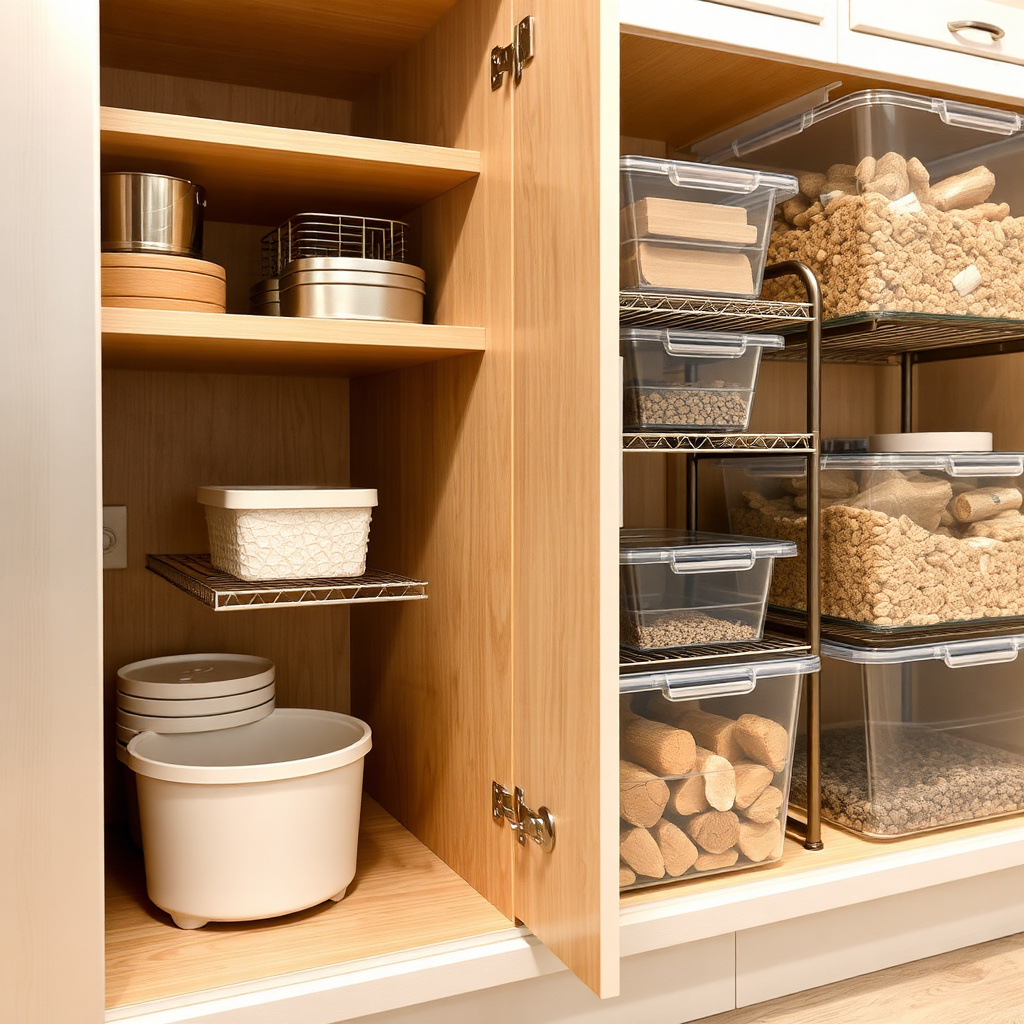
Using Organizers and Accessories
Shelf risers and stackable racks create vertical storage layers, making use of the full cabinet height. They are perfect for plates, bowls, and canned goods, allowing easy visibility and access.
Pull-out shelves and lazy susans enhance accessibility, especially in deep corner cabinets where items can get lost. Drawer dividers keep utensils tidy and separated, preventing clutter buildup.
- Shelf risers for vertical stacking
- Pull-out trays for deep shelves
- Lazy Susans for corner access
- Utensil and drawer dividers
Labeling and Clear Storage Solutions
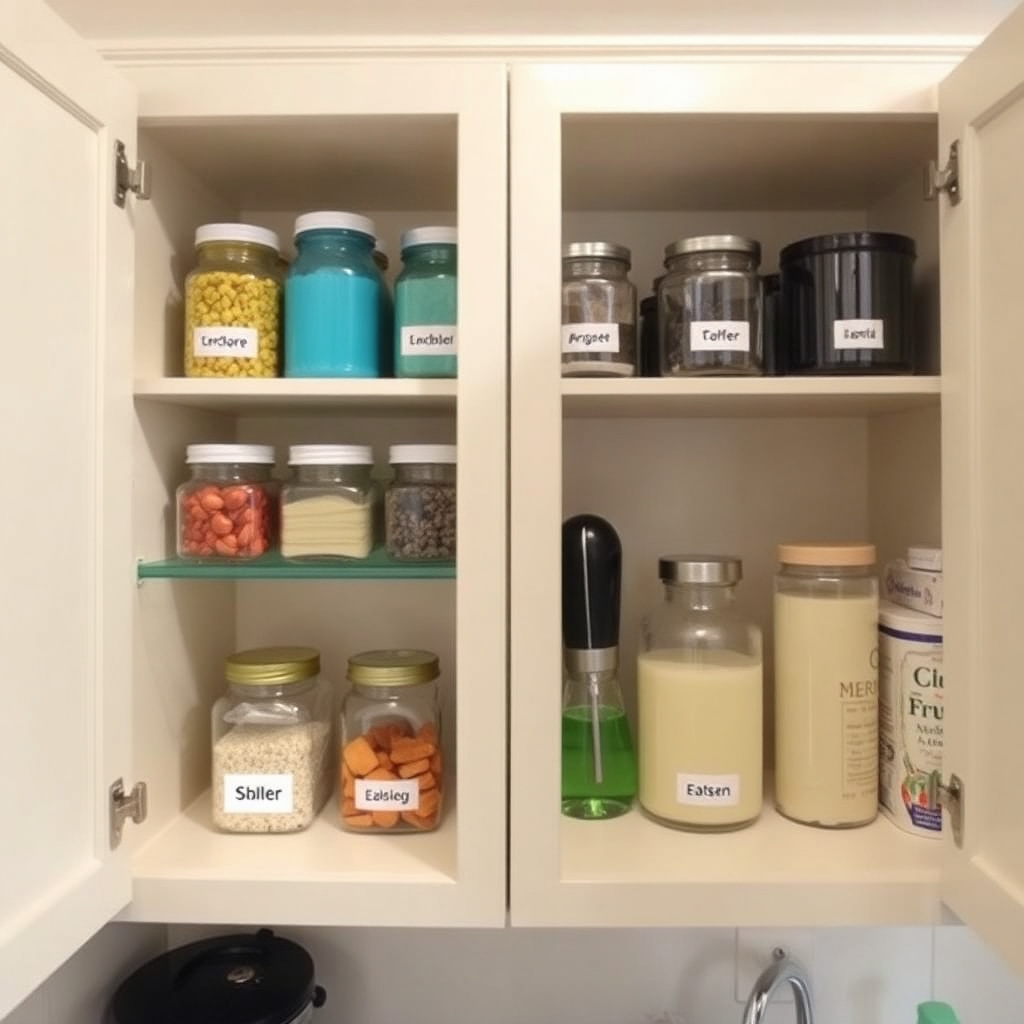
Clear containers allow you to identify contents at a glance, speeding up meal prep and grocery restocking. Pair these with labels to further organize dry goods, spices, and snacks.
Labeling also helps maintain organization by reminding household members where to return items, encouraging consistent cabinet order.
- Use clear bins and jars
- Label shelves and containers
- Group similar items together
Organizing Upper Kitchen Cabinets
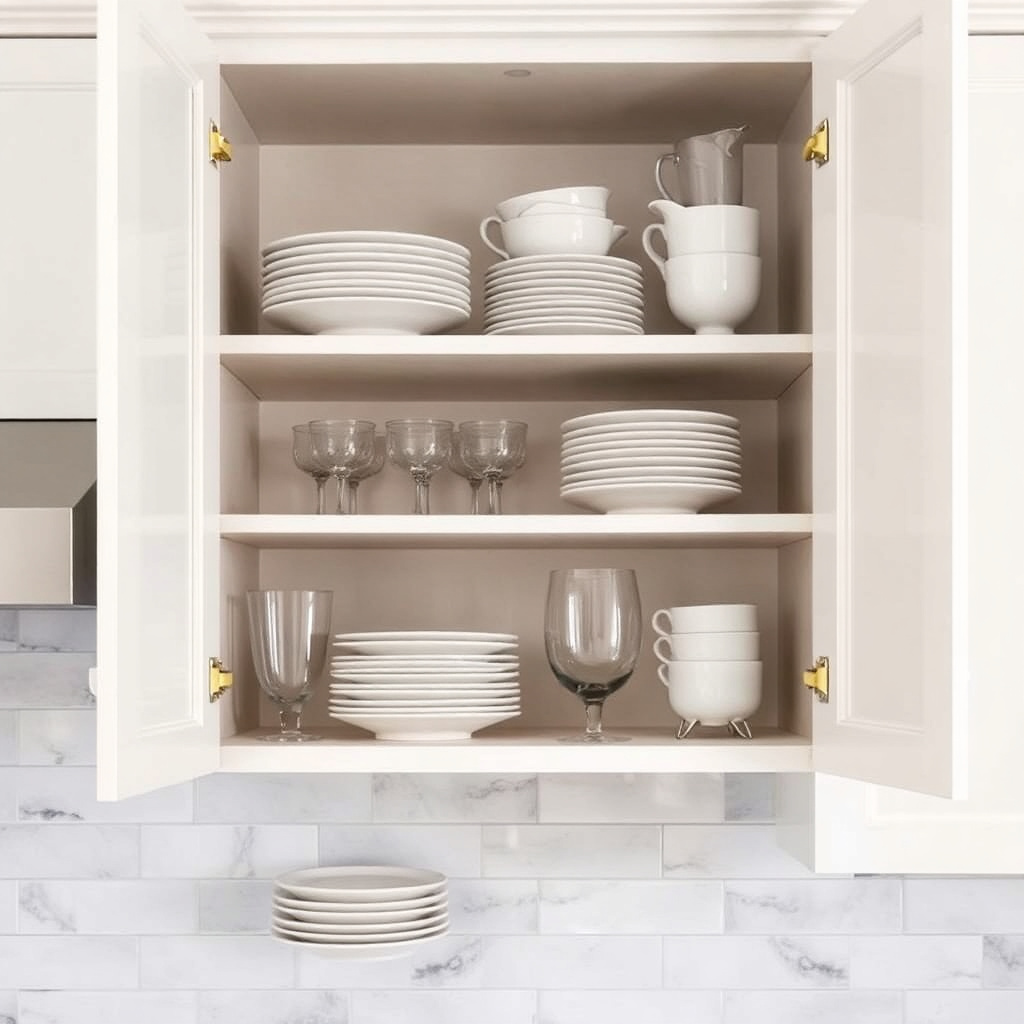
Storing Dishware and Glassware Efficiently
Store plates and bowls on shelf risers to maximize vertical room and prevent stacking damage. Keep frequently used everyday dishware within easy reach, usually at eye level or slightly below.
Place lighter items such as glassware and mugs on the higher shelves since they are handled more carefully and used less frequently.
For more on this, see our related guide: 5 Tips on Where to Put Microwave in Small Kitchen.
Handling Specialty and Seasonal Items
Reserve uppermost or harder-to-reach cabinets for infrequently used kitchen tools like holiday-themed platters or specialty appliances. Using labeled bins can group seasonal items for easy retrieval.
Avoid overcrowding these cabinets to maintain accessibility and reduce the risk of accidents when reaching up.
Organizing Lower Kitchen Cabinets

Efficiently Storing Cookware and Appliances
Use pull-out drawers or sliding trays to store heavy pots and pans, making it easier to reach items at the back without bending or lifting excessively.
Consider vertical dividers for baking sheets and cutting boards to keep them upright and separated, saving horizontal space.
- Sliding trays for heavy items
- Vertical dividers for bakeware
Utilizing Door Space and Inner Cabinet Walls
Mount racks or hooks on inside cabinet doors for storing lids, measuring spoons, or small cutting boards. This added storage transforms unused surfaces into handy organizing areas.
Magnetic strips can hold metal items like knives or spice containers securely inside a cabinet, freeing up shelf space.
- Door-mounted lid racks
- Hooks for utensils
- Magnetic strips
Organizing Pantry and Food Storage Cabinets
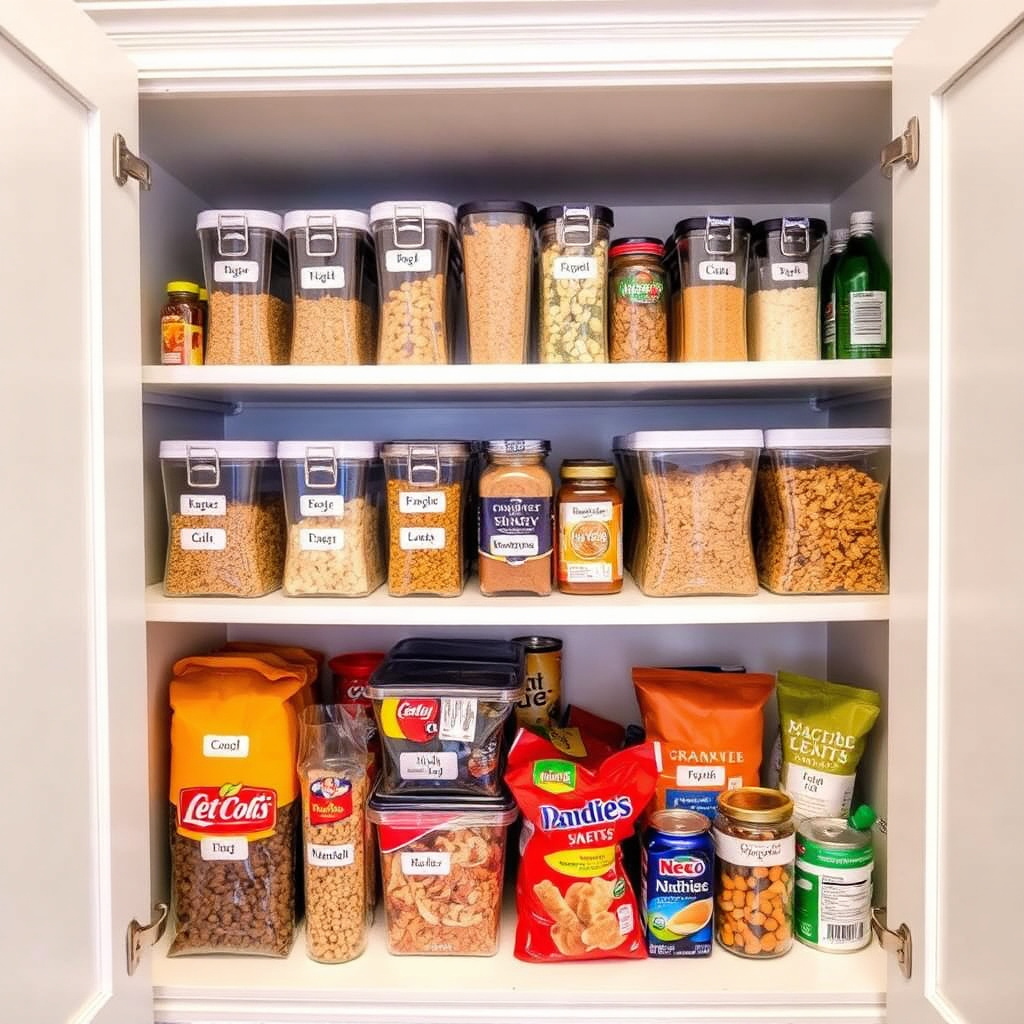
Grouping Pantry Items Logically
Categorize pantry staples such as grains, canned goods, snacks, and baking supplies into separate zones or containers. This reduces search time and keeps inventory visible.
Store frequently used items at eye level, placing bulk or overflow goods on higher or lower shelves to optimize the kitchen cabinet storage ideas approach.
For more on this, see our related guide: 10 Tips to Style Kitchen Counters.
Maintaining Freshness and Easy Access
Use airtight containers to preserve freshness and prevent pest contamination. Consider transparent containers so you can monitor levels without opening them.
Rotate pantry items regularly by placing newer products behind existing ones, minimizing waste and spoilage.
- Airtight, clear containers
- FIFO (first in, first out) rotation
- Label expiration dates
Maintaining Kitchen Cabinet Organization Over Time
Establishing Habits for Consistency
Encourage everyone in your household to return items to their designated spots to preserve your organizing efforts. Small daily habits prevent clutter buildup and disorganization.
Schedule periodic cabinet checks to tidy and restock, addressing expired or unnecessary items promptly.
For additional advice on reducing kitchen clutter and waste, check out these kitchen organization tips from the EPA. kitchen organization tips.
Adapting Organization as Needs Change
Be open to adjusting your system if your lifestyle or kitchen usage evolves. For example, shift zones or replace storage tools as your collection of cookware or groceries changes.
Periodic reevaluation helps you keep kitchen cabinets functional and aligned with your routines.
Kitchen Cabinet Organization Strategies Compared
Here’s a comparison of common kitchen cabinet organization methods to help you select one that fits your kitchen’s layout and your habits.
| Method | Best For | Pros | Cons |
|---|---|---|---|
| Zone-Based Organization | Busy cooks who want efficiency | Reduces cooking time, logical layout | Needs initial planning and labeling |
| Container and Labeling Focused | Pantry and dry goods storage | Keeps items fresh and visible | Requires investment in containers |
| Pull-Out and Sliding Drawers | Heavy cookware and deep cabinets | Easy access, prevents strain | Installation cost, less space for large items |
| Door Storage Systems | Maximizing unused spaces | Increases storage capacity | Limited to smaller items |
Frequently Asked Questions
How often should I reorganize my kitchen cabinets?
Reorganizing kitchen cabinets every 3-6 months helps maintain order, clear expired items, and adjust for new kitchen tools or food supplies.
What is the best way to store pots and pans in cabinets?
Using pull-out drawers or vertical dividers makes pots and pans easier to reach and prevents stacking damage, keeping your cookware organized and accessible.
Are clear containers necessary for pantry organization?
Clear containers are highly recommended because they let you quickly see contents and monitor inventory levels, reducing food waste and streamlining restocking.
How can I maximize small kitchen cabinet spaces?
Use shelf risers, door racks, and stackable bins to create more vertical and hidden storage areas, making small spaces more functional.
Is labeling kitchen cabinet containers really helpful?
Yes, labeling containers and shelves helps everyone in the household find and return items properly, keeping cabinets tidy and reducing search time.
Key Takeaways
- Group kitchen items by use and frequency for efficient layout.
- Use organizers like shelf risers and pull-out trays to maximize space.
- Label containers and shelves to maintain clarity and order.
- Regularly review and adjust cabinet organization to fit your changing needs.
Conclusion
Taking a strategic approach to organizing your kitchen cabinets can vastly improve your cooking and cleaning experience. Start by categorizing items and creating functional zones, then employ smart storage accessories like pull-out trays and shelf risers to fully utilize every inch of your cabinets. Consistency in returning items to their designated spots will keep your kitchen running smoothly over time.
For many kitchens, zone-based organization paired with quality containers proves most effective. If your kitchen faces space challenges, pull-out drawers and door-mounted racks offer practical solutions that ease access to heavy or awkwardly shaped items. Meanwhile, a labeled pantry setup using clear containers helps manage dry goods and snacks visibly and hygienically, saving time and reducing waste.
To get started, pick one cabinet area to organize first—commonly the space around your stove or sink—and implement a system that fits your cooking style. Experiment with different organizers and reevaluate your setup every few months, adjusting as needed. By making minor changes incrementally, you’ll create a kitchen cabinet system that feels natural, reduces clutter, and boosts your kitchen’s overall functionality.