
How to Organize Cupboards in a Kitchen for Maximum Efficiency
Organizing cupboards in a kitchen efficiently means arranging items so they are easy to find, access, and use daily. Start by categorizing your kitchenware and grouping similar items together. Prioritize frequently used items at eye level or in the most accessible cupboards to streamline your cooking and cleaning routines.
Every kitchen has a unique layout and cupboard space, which affects how organization works best. Proper cupboard organization improves workflow, reduces clutter, and helps maintain cleanliness. Without thoughtful arrangement, cupboards can quickly become overcrowded and frustrating when you’re trying to prepare meals.
This article explores practical cupboard organization methods, storage product options, and tips for different kitchen layouts. We'll discuss how to sort, arrange, and store a variety of kitchen items, so your cupboards function smoothly and your kitchen remains inviting.
Assessing Your Kitchen Space and Cupboard Layout
Measuring and Mapping Your Cupboards
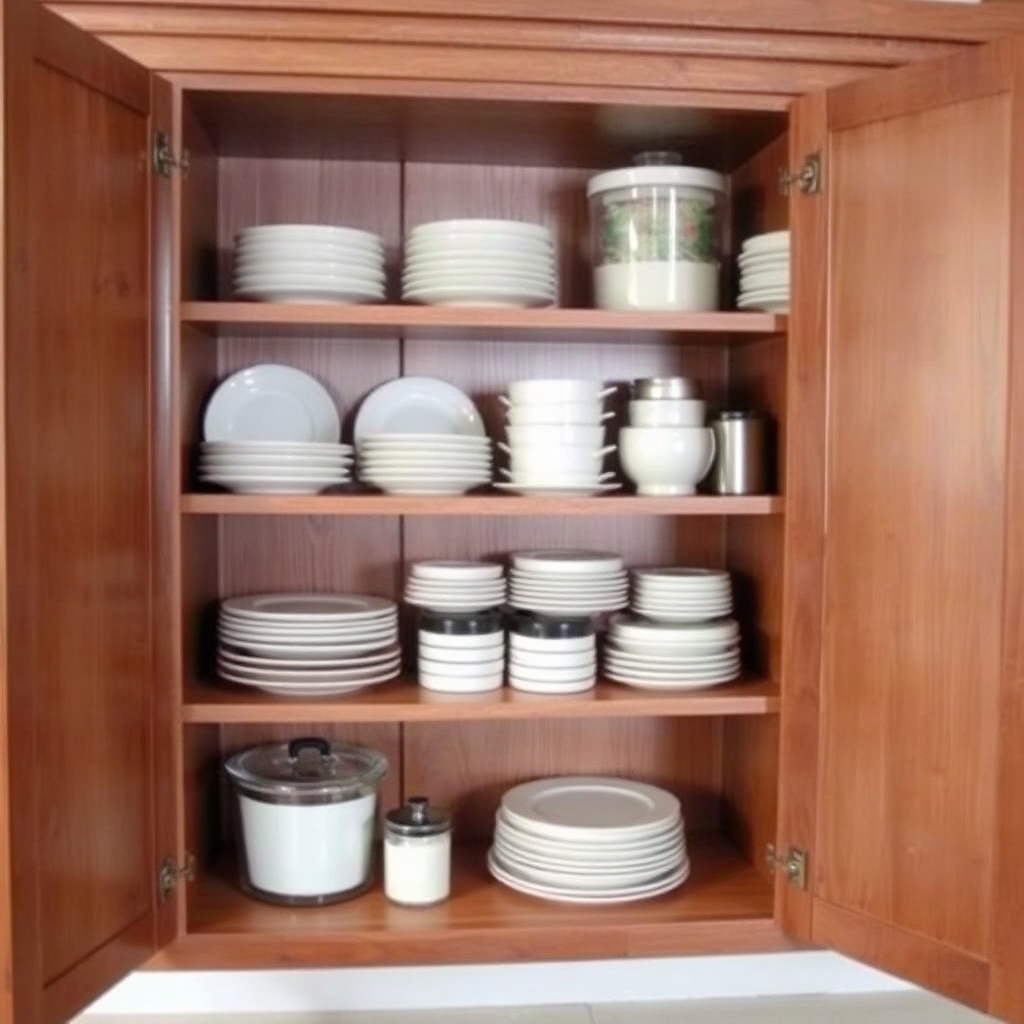
Begin by measuring the exact dimensions of each cupboard, including height, width, and depth. This data helps in understanding the available storage volume and in selecting appropriate organizing accessories like shelf risers or pull-out baskets.
Sketch a layout map marking cupboard locations relative to cooking and prep areas. This visual guide assists in deciding where to place frequently accessed items versus infrequently used ones, enabling smoother kitchen workflow.
Identifying Zones Based on Functionality
Divide your kitchen cupboards into zones according to cooking tasks: prep, cooking, baking, cleaning, and storage. Each zone stores related supplies and tools to reduce unnecessary movement during meal preparation.
For example, keep pots, pans, and cooking utensils near the stove, while baking ingredients and tools belong in a separate cupboard closer to countertop space for mixing.
Sorting and Categorizing Kitchen Items
Decluttering and Purging Unused Items
Empty each cupboard to evaluate contents. Discard expired foods, chipped dishes, and broken gadgets. Removing clutter frees space and prevents overcrowding.
This step also reveals what items you truly need storage for, guiding arrangements that accommodate essentials without excess.
- Check expiration dates on pantry goods
- Donate duplicates or rarely used equipment
- Repair or recycle damaged items
Grouping Similar Items Together
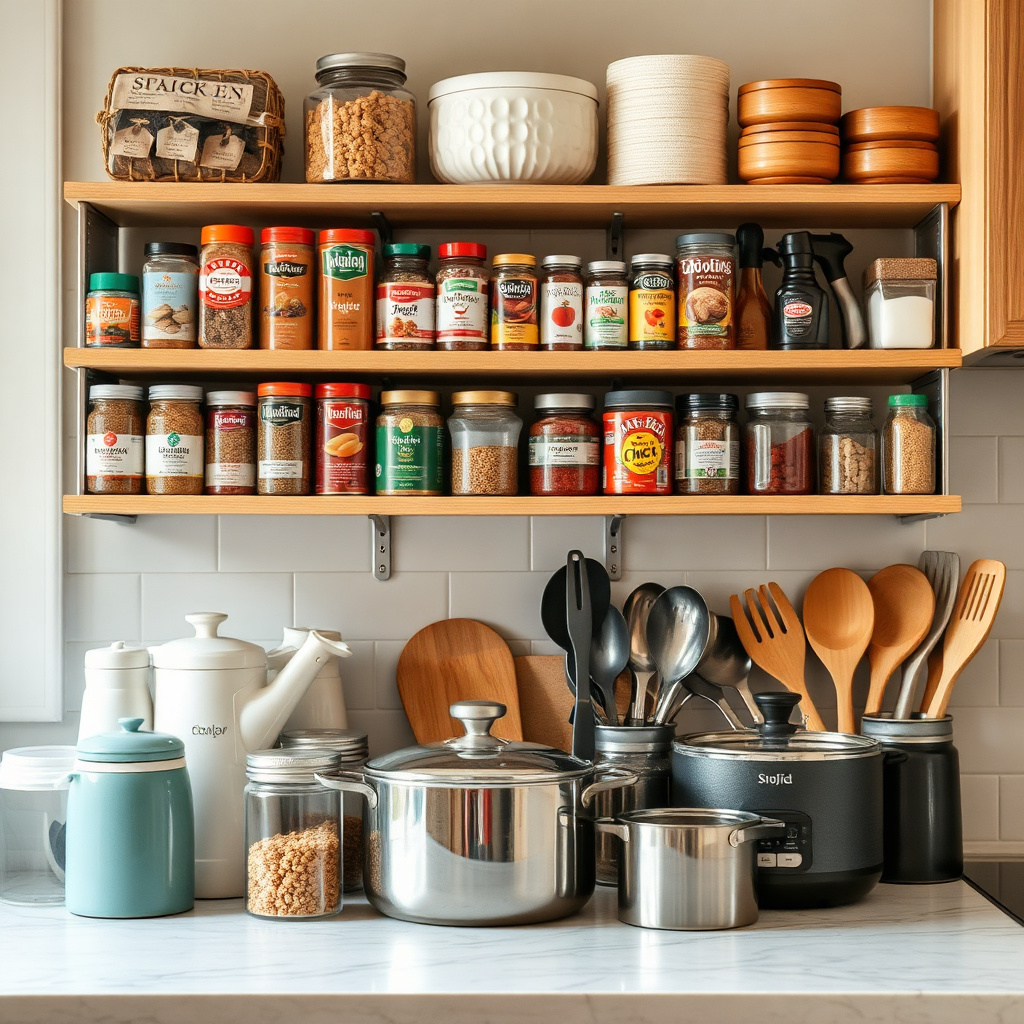
Organize items into categories such as canned foods, spices, cookware, utensils, small appliances, and baking supplies. Grouping simplifies locating and returning items.
Consider subcategories too — separate dry grains from snacks or plastic containers from glass jars. Clear labeling and consistent groupings reduce time spent searching.
- Keep spices and herbs in one cupboard
- Store baking supplies like flour and sugar together
- Group pots with corresponding lids
Optimizing Cupboard Storage Techniques
Using Vertical and Adjustable Shelves
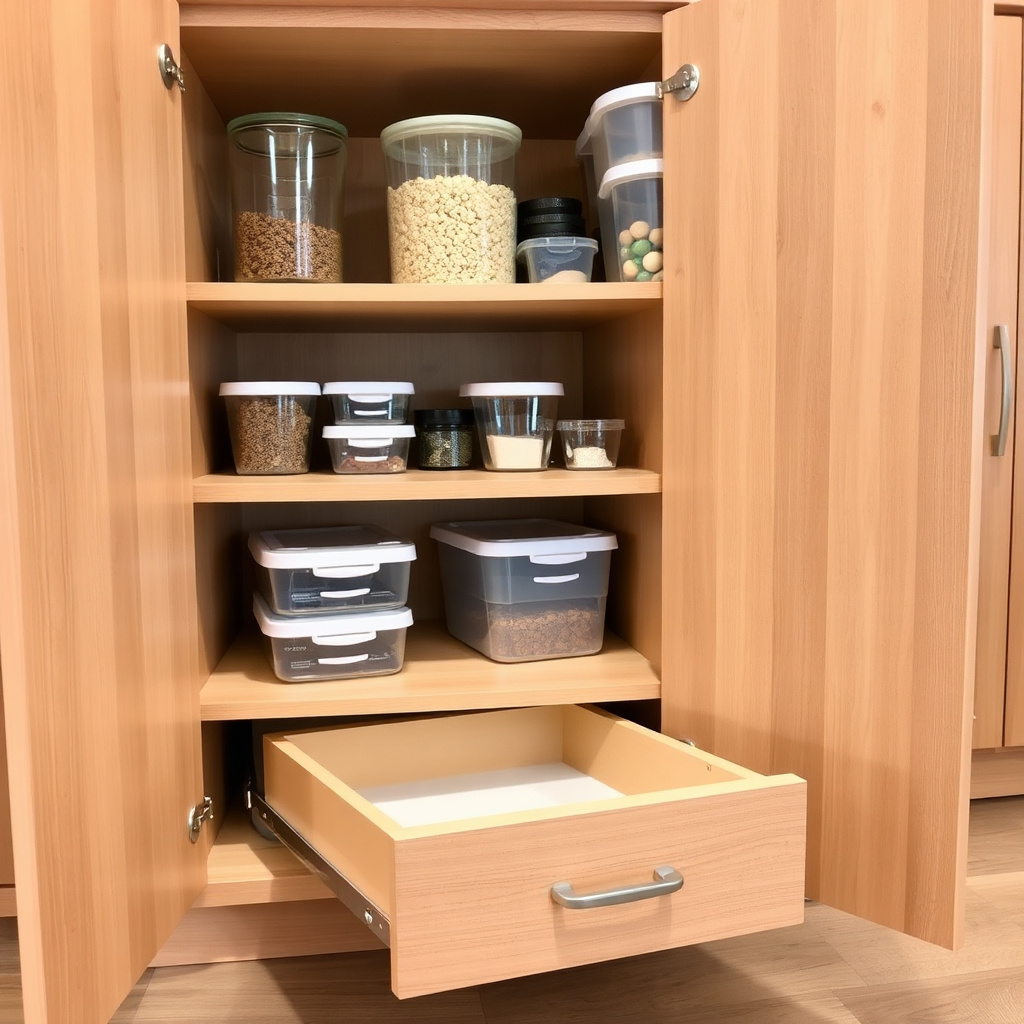
Installing adjustable shelves allows customization of cupboard space to fit taller or shorter items snugly, increasing usable volume. Vertical shelf risers can double shelf capacity, especially for plates and cutting boards.
These accessories maintain visual order and prevent items from stacking messily, which can risk breakage or difficulty retrieving things.
- Add shelf risers for plates or mugs
- Install tension rods to hang lids or spray bottles
- Adjust shelf height to fit large pots
For more on this, see our related guide: How Can You Get Rid of Roaches in the Kitchen?.
Incorporating Storage Containers and Labels
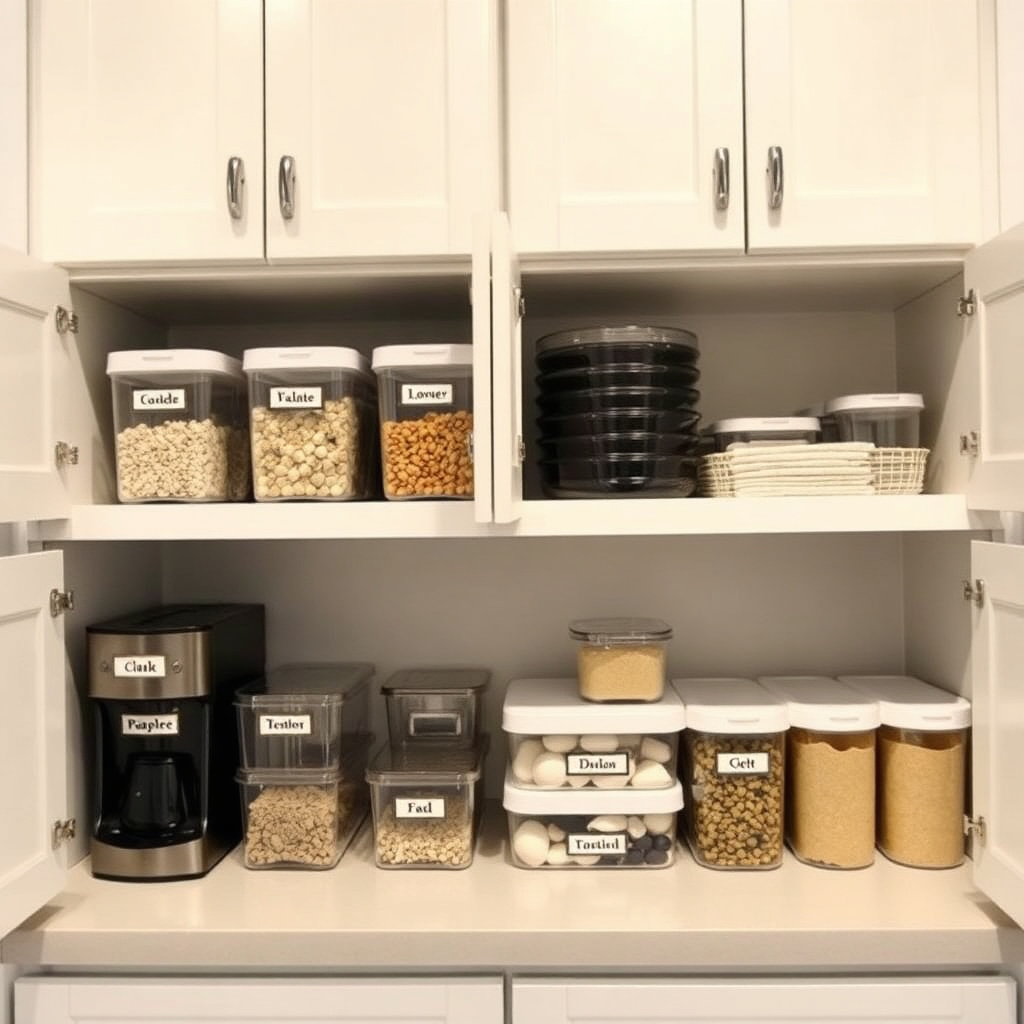
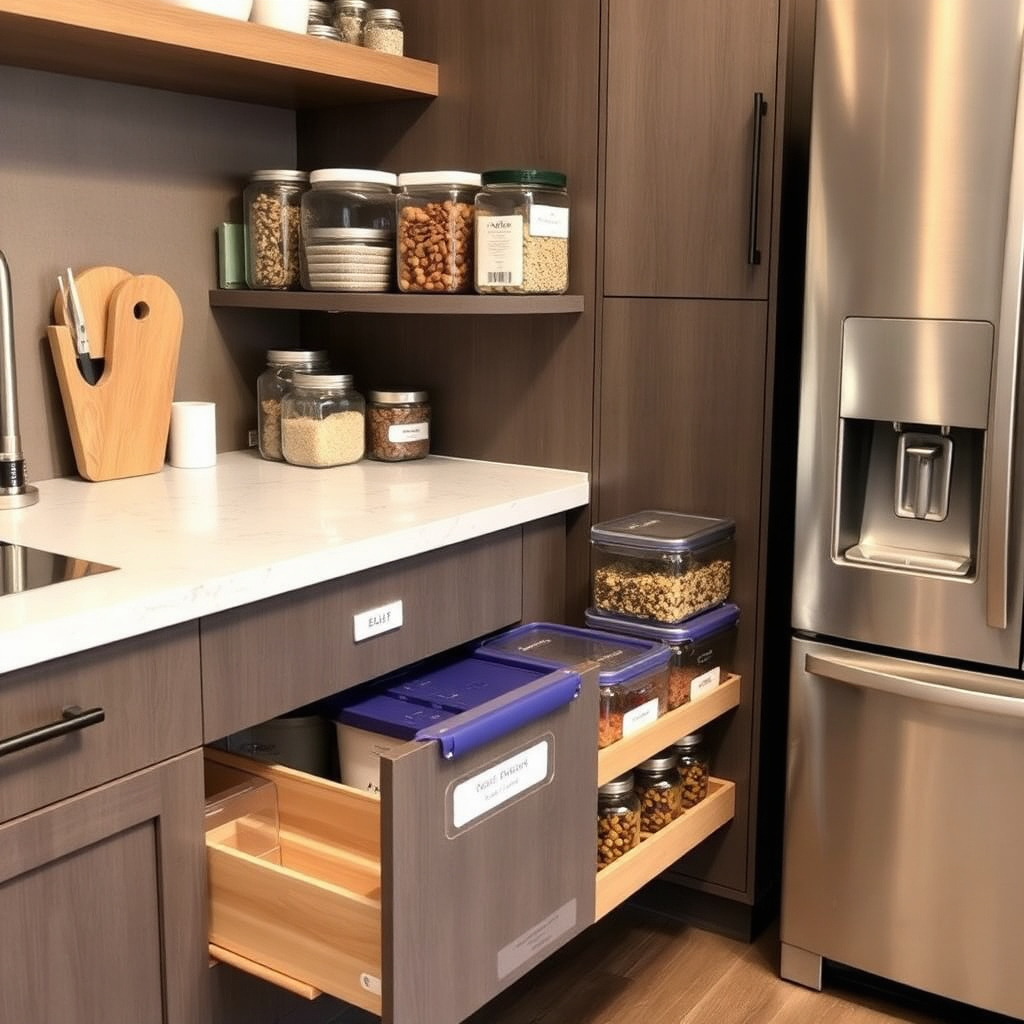
Clear containers with airtight lids are excellent for dry goods, keeping contents fresh while providing uniformity. Labeling allows quick identification, speeding up meal prep.
Bins and baskets can corral smaller items like packets or spice jars, preventing them from scattering across shelves.
- Use uniform containers for pantry staples
- Label containers with contents and expiration dates
- Employ baskets to group utensil types
Making the Most of Deep and Corner Cupboards
Installing Pull-Out Shelves and Drawers
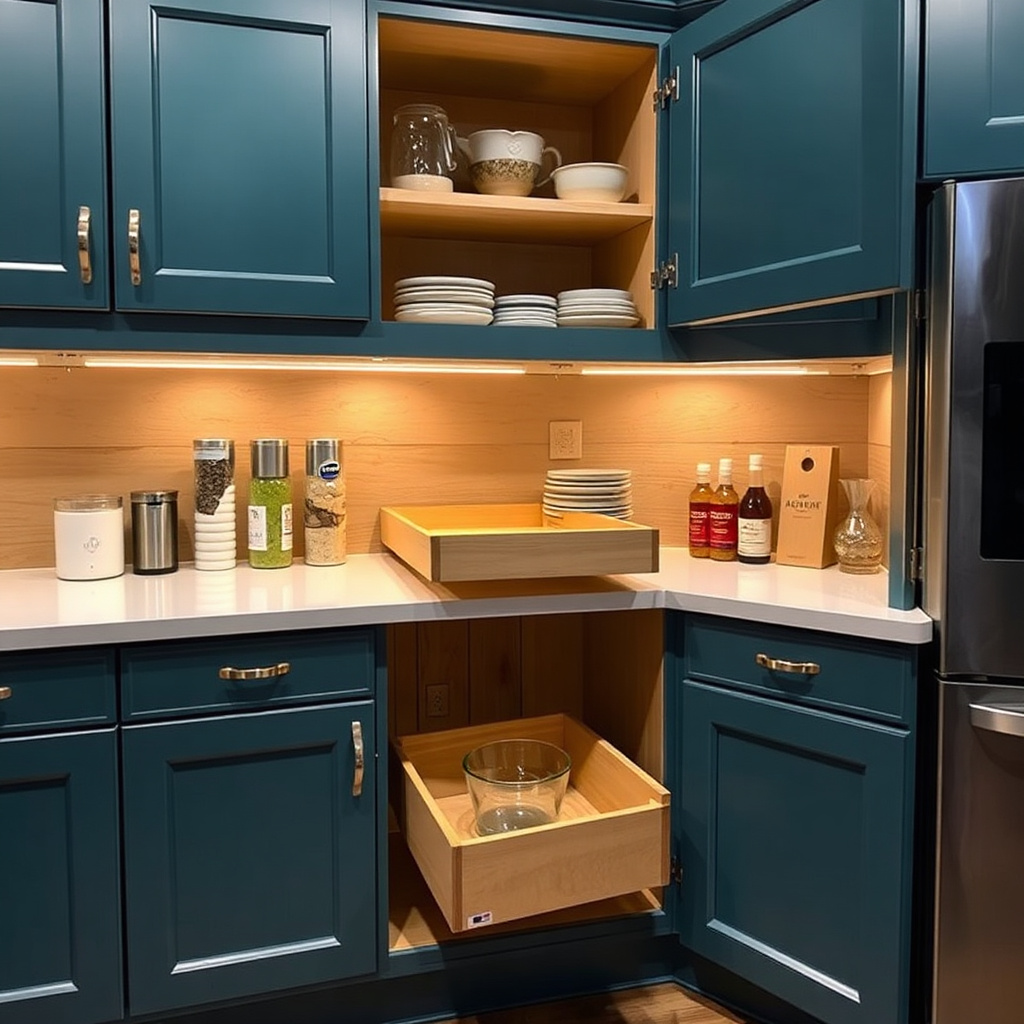
Pull-out shelves work well in deep cupboards by bringing the contents to the front, minimizing the need to bend or reach. This is particularly useful for storing heavy pots or small appliances.
These shelves glide smoothly, making it easier to spot items at the back and organizing them neatly to maximize space use.
- Use for storing bulky cookware and appliances
- Improves accessibility to heavy items
- Reduces risk of items getting lost or damaged
Utilizing Lazy Susans in Corner Spaces
Lazy Susans enable full use of corner cupboards by rotating items into reach, solving the problem of access in awkward angles. They are ideal for spices, condiments, or small containers.
Choose tiers with non-slip surfaces to keep items stable during rotation, and consider adjustable sizes to fit different cupboard dimensions.
- Rotate for easy access to all items
- Ideal for small jars and bottles
- Available in multiple sizes and materials
Incorporating the Main Keyword: How to Organize Cupboards in a Kitchen
Prioritizing Accessibility and Frequency of Use
Placement of items should reflect how often they are used. Everyday cooking essentials like oils and spices belong in front-tier cupboards for quick reach, while seasonal or rarely used tools may be stored higher or lower.
This approach minimizes frustration and speeds up meal preparation, making the kitchen more user-friendly.
For more on this, see our related guide: 5 Easy Tips to Organize Your Kitchen.
Regular Maintenance and Seasonal Reorganization
Organizing cupboards is not a one-time task. Set regular intervals to clean, reassess, and reorganize to accommodate changes in cooking habits or new equipment.
Seasonal shifts also impact what items need to be front-facing, such as holiday baking supplies or barbecue tools in summer.
Creative Solutions for Limited Kitchen Spaces
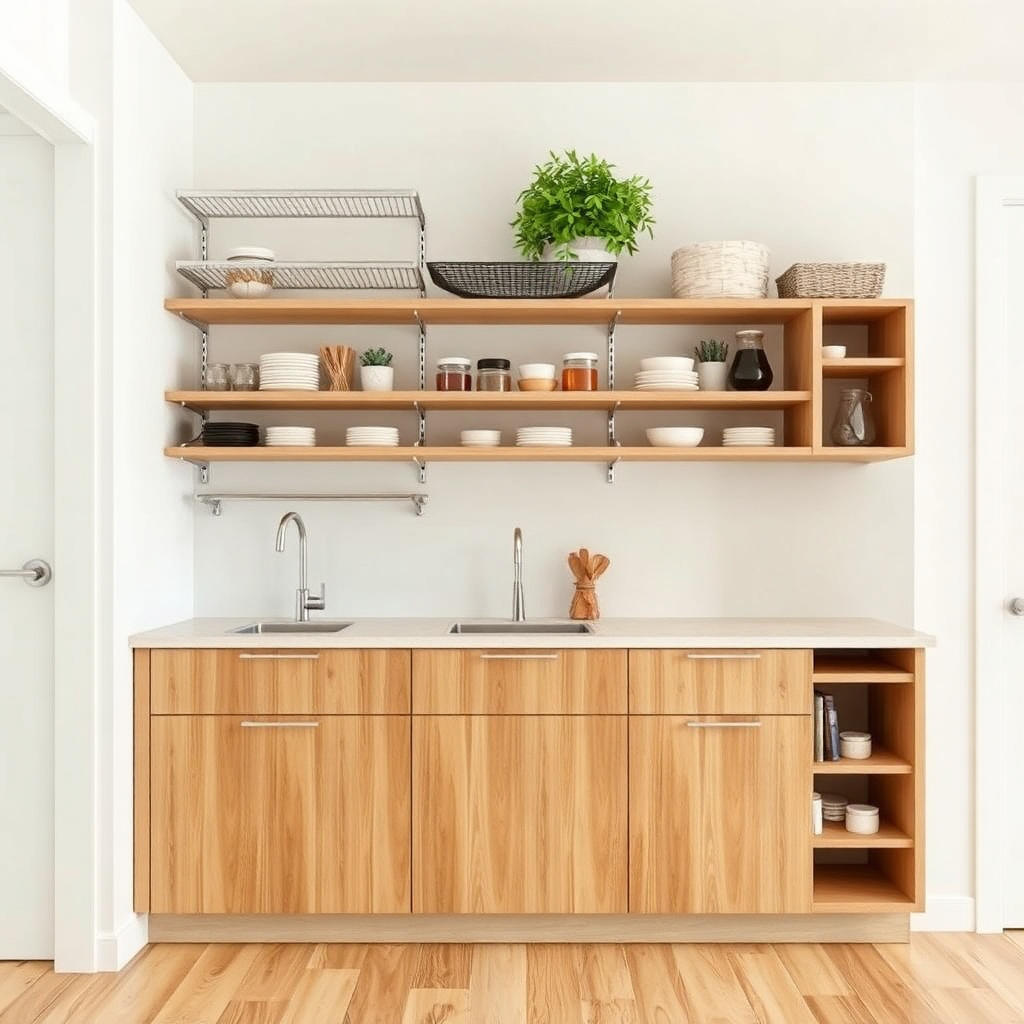
Using Wall-Mounted Racks and Hooks
Free up cupboard space by installing racks or hooks on kitchen walls or inside cupboard doors. Hanging pots, pans, or utensils reduces clutter and adds décor interest.
Magnetic strips can hold knives or metal tools safely while keeping counters clear.
- Install hanging racks for mugs and pans
- Use magnetic strips for knives
- Attach hooks inside cupboard doors for lids or measuring cups
Slim Pull-Out Cupboards and Rolling Carts
Slim pull-out cupboards fit narrow gaps and provide vertical storage for spices, canned goods, or cleaning supplies. Rolling carts can offer flexible storage space and be moved as needed.
These solutions expand storage capacity without requiring major renovations, fitting well in small kitchens.
- Slide out racks for spices and oils
- Use rolling carts as mobile storage
- Ideal for narrow or awkward spaces
Enhancing Kitchen Organization with Kitchen Storage Solutions
Drawer Organizers and Dividers
Drawer organizers separate utensils, cutlery, and small tools to prevent jumbled messes, making it easier to find specific items quickly. Adjustable dividers accommodate utensils of different lengths and types.
Using these over traditional stacking maintains tidiness in crowded drawers.
- Separate knives, forks, spoons
- Organize gadgets like peelers and graters
- Customize sizes to drawer dimensions
For more insight into kitchen layout and planning, you can explore detailed information on kitchen organization. kitchen organization.
Stackable and Modular Storage Containers
Stackable containers make the most of vertical cupboard space by forming neat towers. Modular designs allow combining containers to fit cupboard dimensions precisely, reducing wasted space.
Clear materials also aid visibility and ease of access when searching for ingredients.
- Stack containers for grains and legumes
- Choose modular sets for flexible storage
- Use transparent lids to see contents
Cupboard Organization Solutions Comparison
Here is a comparison of popular cupboard organization categories to help identify which suits your kitchen needs best.
| Category | Best For | Cost Range | Ease of Installation | Accessibility |
|---|---|---|---|---|
| Shelf Risers | Maximizing vertical shelf space | $10–$30 | Easy (no tools) | High |
| Pull-Out Shelves | Deep cupboard access | $50–$200 | Moderate (tools required) | Very High |
| Lazy Susans | Corner cupboards | $15–$50 | Easy | High |
| Storage Containers | Pantry organization | $5–$40 per set | None | High |
| Wall-mounted Racks | Limited space kitchens | $20–$100 | Moderate | High |
| Drawer Organizers | Utensil sorting | $10–$50 | None | Very High |
Frequently Asked Questions
How often should I reorganize my kitchen cupboards?
Reorganizing kitchen cupboards every 3 to 6 months keeps them tidy and adapts storage to changing cooking needs.
What are the best materials for kitchen storage containers?
Glass and BPA-free plastic containers are durable, airtight, and help maintain food freshness while being easy to clean.
Can I install pull-out shelves myself?
Many pull-out shelves come with installation instructions and can be installed by someone comfortable with basic tools, but professional help ensures proper fit and function.
How can I fit more items into small cupboards?
Using vertical accessories like shelf risers, wall-mounted racks, and slim pull-out units maximizes space in small cupboards effectively.
What is the best way to store spices in kitchen cupboards?
Group spices together in one cupboard using racks, clear containers, or drawer organizers and label each for quick identification.
Key Takeaways
- Prioritize accessibility by storing frequently used items at eye level.
- Use adjustable shelves and storage containers to maximize cupboard space.
- Divide cupboards into zones based on kitchen tasks for efficiency.
- Regularly declutter and reorganize to maintain order in cupboards.
Conclusion
Deciding how to organize cupboards in a kitchen requires thoughtful assessment of your space, cooking habits, and the types of items you store. Taking inventory and categorizing your goods allows you to prioritize accessibility and reduce clutter, making everyday kitchen use smoother. Incorporating adjustable shelves, pull-out mechanisms, and clear storage containers can drastically improve usability while maximizing limited cupboard space.
If you cook regularly and rely on quick access to spices and utensils, placing these items at eye level near prep areas works best. For those with deep or corner cupboards, pull-out shelves and lazy Susans can improve access to hard-to-reach items. Small kitchens benefit from wall-mounted racks and slim pull-out cupboards to expand storage without remodeling. Combining these approaches tailors your cupboard organization to your lifestyle and kitchen layout.
Start by emptying your cupboards and sorting items into groups, then map storage zones based on kitchen tasks. Add vertical organizers and containers to optimize available space, and schedule regular checks to maintain order. With deliberate planning and the right kitchen storage solutions, your cupboards can be both functional and neat, transforming your kitchen experience.