
How Much to Tile a Kitchen: Complete Cost Guide for Kitchen Tiling
Tiling a kitchen typically costs between $1,000 and $4,000 depending on the size of the area, tile material, labor fees, and additional preparation or removal work. The average homeowner spends about $3 to $15 per square foot for materials and $5 to $10 per square foot for labor. This means a standard 100-square-foot kitchen floor can fall anywhere in that cost range.
Understanding the full price depends on knowing the different expenses involved: tile type, complexity of the layout, extra work like removing old flooring, and regional labor rates all play significant roles. These factors can make a simple tile job far cheaper or more expensive than expected.
This article will cover how much to tile a kitchen by breaking down materials, labor, kitchen wall tiling vs floor tiling costs, and other considerations like durability and style to help you plan your budget and find the best tile installation options.
Kitchen Floor Tiling Costs
Average Price per Square Foot for Kitchen Floor Tile
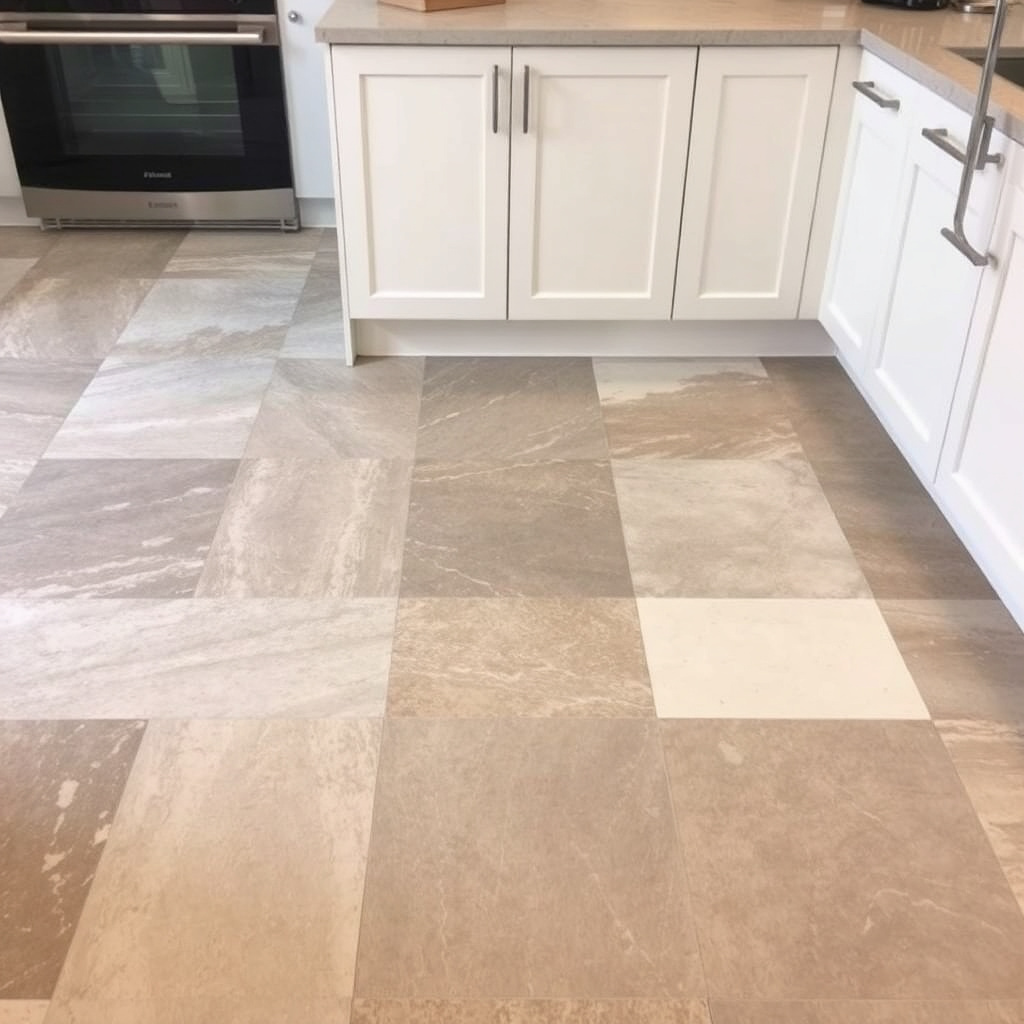
Kitchen floor tile prices vary from $3 to $15 per square foot depending on the material chosen. Ceramic tiles typically fall on the lower end around $3 to $5, while natural stone or high-end porcelain tiles can reach $10 to $15 per square foot. Pricing also reflects tile quality, sizing, and finish.
Larger format tiles might cost more upfront but can cover more area faster and reduce labor expenses compared to smaller mosaics or intricate patterns. Always consider tile durability and slip resistance specifically for kitchen floors.
- Ceramic tiles: $3–$5 per sq. ft.
- Porcelain tiles: $5–$10 per sq. ft.
- Natural stone tiles: $7–$15 per sq. ft.
- Mosaic or small tiles: tends to increase cost due to installation complexity
Labor and Installation Expenses for Kitchen Floors
Professional installation of kitchen floor tiles typically costs $5 to $10 per square foot, depending on region and project difficulty. Complex layouts, tile cuts around cabinetry, and subfloor preparation can push prices higher.
Homeowners should factor in extra costs for removal of old flooring or leveling uneven surfaces before installation. A flat subfloor minimizes additional expenses and ensures tile longevity.
- Installation: $5–$10 per sq. ft.
- Old floor removal: $1–$3 per sq. ft.
- Subfloor leveling: price varies based on condition
Kitchen Wall Tiling Costs
Backsplash Tile Materials and Prices
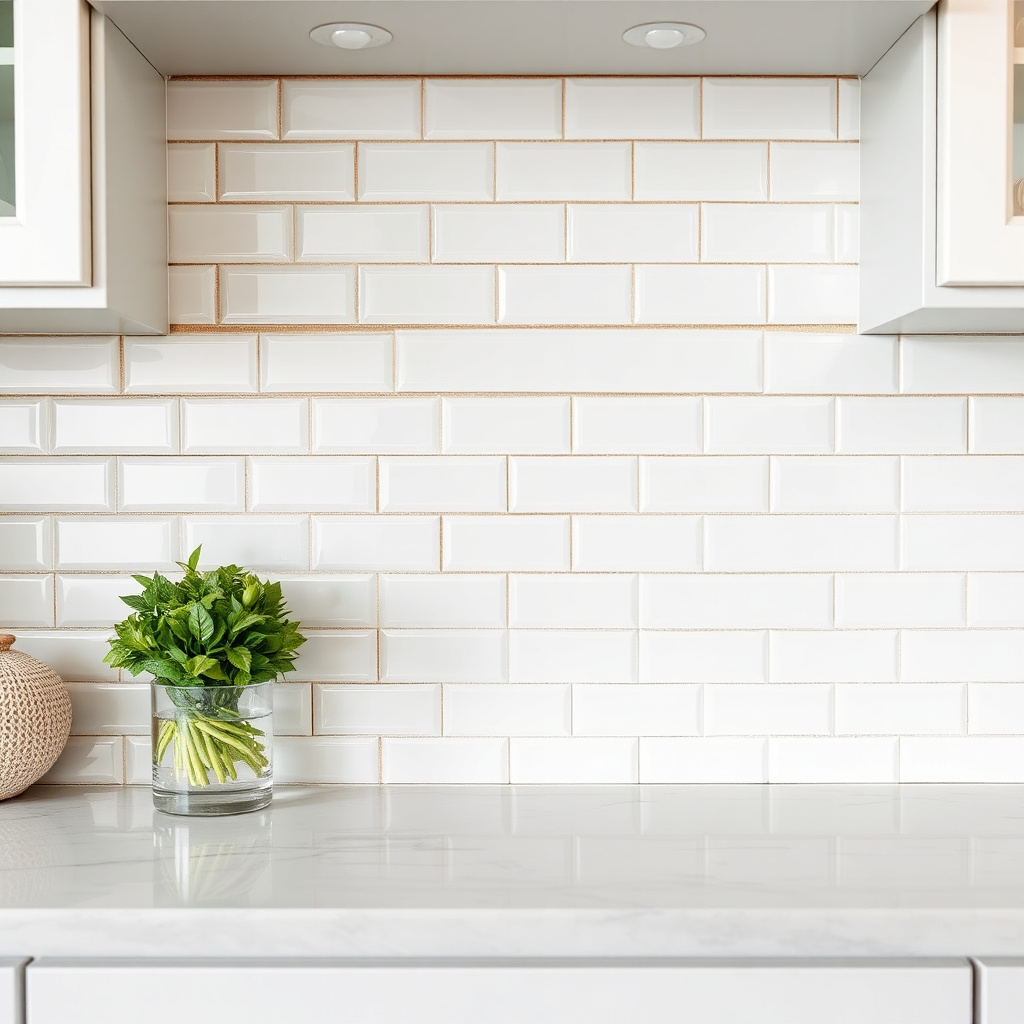
Kitchen backsplash tile costs vary from $10 to $40 per square foot, influenced by materials such as ceramic, glass, or natural stone. Ceramic subway tiles are a popular budget-friendly choice costing around $10–$15 per square foot, while glass and stone tiles often increase the price significantly.
Backsplashes require different tile considerations like stain resistance and ease of cleaning. Thicker and textured tiles can add visual depth but may be pricier and trickier to install.
- Ceramic subway tiles: $10–$15 per sq. ft.
- Glass tiles: $20–$40 per sq. ft.
- Natural stone backsplash: $25–$40 per sq. ft.
Installation Costs for Kitchen Wall Tiles
Labor costs for kitchen backsplash tile installation generally run $10 to $20 per square foot since backsplash areas are smaller but require precise cutting and grout work. Adding patterns or custom designs adds to labor time and cost.
Wall tile installation demands careful surface preparation to ensure adhesion and avoid moisture issues. Hiring experienced installers improves outcome and durability.
- Installation labor: $10–$20 per sq. ft.
- Surface prep and priming: additional cost depending on wall condition
Factors Affecting How Much to Tile a Kitchen
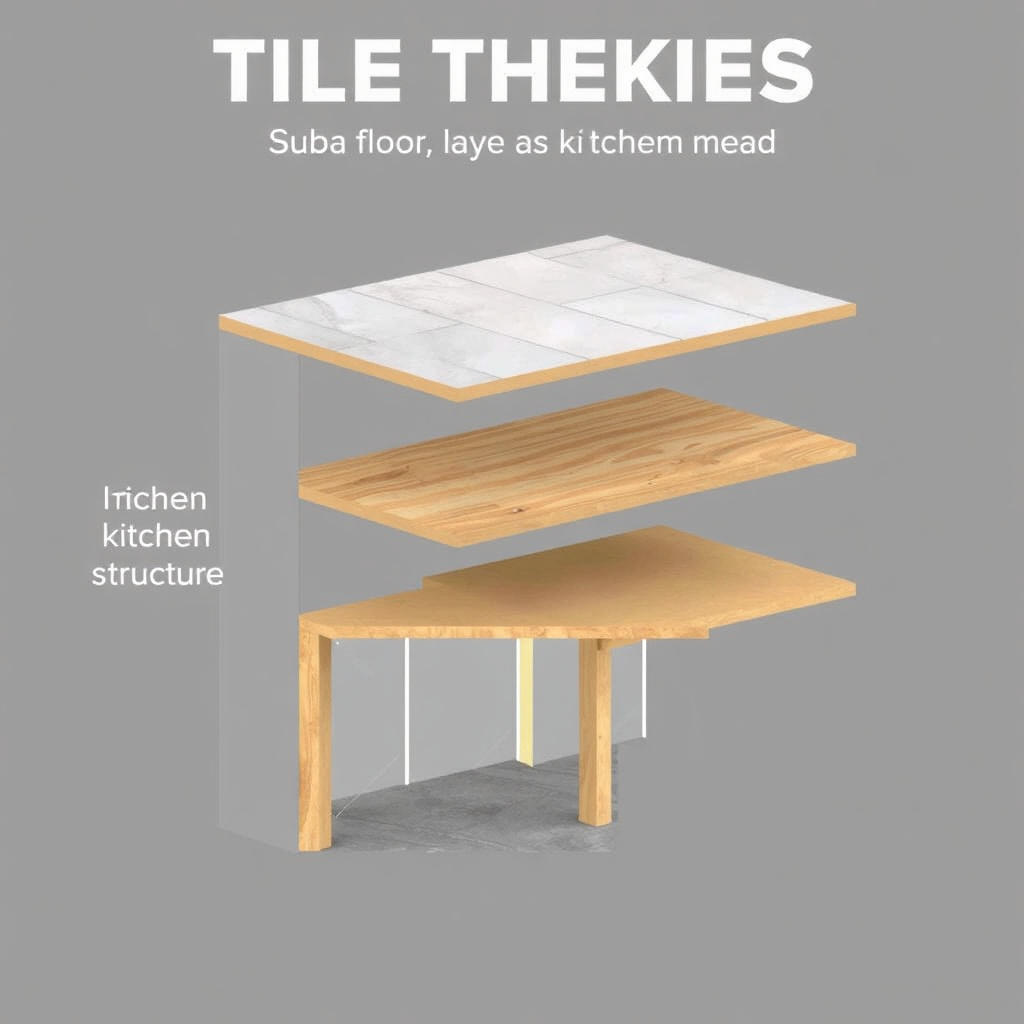
Size and Layout of the Kitchen
The total size of the kitchen directly influences the tiling project cost since tile materials and labor are ordered by square footage. More complex kitchens with irregular layouts or many obstacles such as islands require more cuts and time, driving prices up.
In contrast, simpler rectangular kitchens allow for faster installation and less waste. Consider the impact of cabinetry layout or floor pattern complexity on overall cost.
- Larger kitchens increase total cost
- Irregular shapes raise labor expenses
- Open floor plans can simplify work
For more on this, see our related guide: How to Install Kitchen Countertops in 10 Simple Steps.
Tile Material Choices and Their Impact
Material selection strongly affects cost, durability, and kitchen style. Higher-end tiles like natural stone or imported porcelain can provide long-lasting and unique surfaces but at premium prices.
On the other hand, affordable ceramic offers a wide range of colors and styles suitable for any kitchen budget. Understanding tile properties and maintenance requirements is key before deciding.
- Natural stone: costly but durable
- Ceramic: economical and versatile
- Porcelain: durable and water-resistant
DIY vs Professional Kitchen Tile Installation Costs
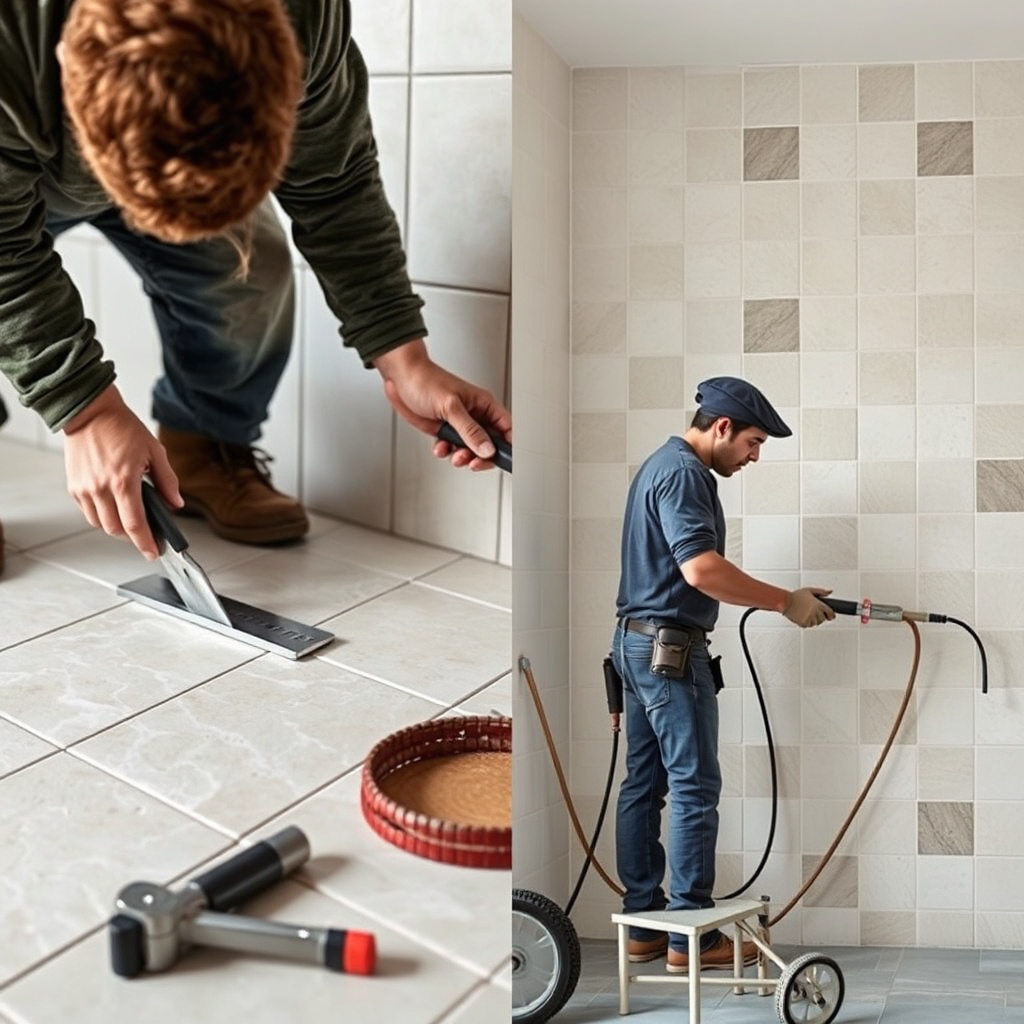
Cost Savings and Risks of DIY Tiling
Installing kitchen tile yourself can reduce expenses by eliminating labor charges, often saving hundreds or thousands of dollars. However, DIY projects require proper tools, time, and skill to ensure solid, long-lasting results.
Mistakes such as uneven grout lines, improper adhesion, or wasted tile can end up costing more if the job needs corrections. Evaluate your confidence and research before choosing this path.
- Save on labor costs
- Requires time and skill
- Risk of errors affecting durability
Benefits of Hiring Professional Installers
Professional tile installers bring experience and efficiency, completing kitchen tiling faster and with fewer mistakes. They can handle complex cuts, subfloor prep, and finishing details that improve tile lifespan and appearance.
Although labor costs add to the budget, the end result is typically higher quality and lower risk. Good contractors also offer warranties for peace of mind.
- Expert workmanship
- Time savings
- Long-lasting finish
- Possible warranty coverage
Additional Costs Related to Kitchen Tiling
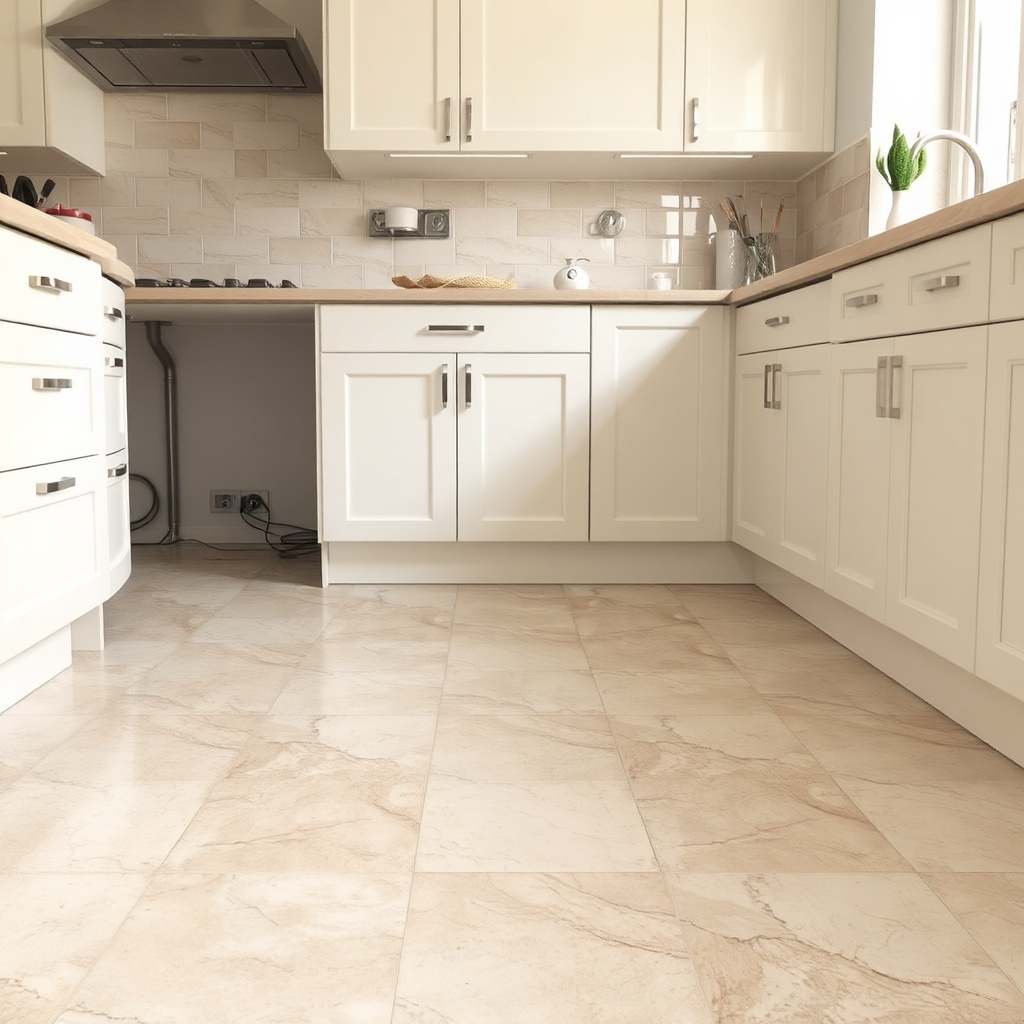
Removing Old Flooring and Surface Preparation
Removing existing kitchen flooring can add $1 to $3 per square foot depending on floor type and disposal requirements. Some adhesives or subfloor damage may require repairs or leveling to provide a flat base for tiles.
Proper surface preparation is essential to prevent issues like cracking or tile loosening. These preparatory stages can unexpectedly increase overall project costs if not planned.
- Old tile or vinyl removal
- Subfloor cleaning and leveling
- Disposal and cleanup fees
For more on this, see our related guide: Where Do I Buy Camp Kitchen in 2027?.
Underfloor Heating and Other Upgrades
Adding radiant floor heating beneath tiles improves kitchen comfort but increases project costs significantly. Heating mats or systems can range from $10 to $20 per square foot including installation.
Other upgrades such as specialty grout, waterproof membranes, or decorative inlays add to material and labor expenses. Account for these factors if planning a more luxurious kitchen tile installation.
- Radiant floor heating: $10–$20 per sq. ft.
- Waterproof membranes
- Decorative tile inlays
Maintaining and Replacing Kitchen Tiles
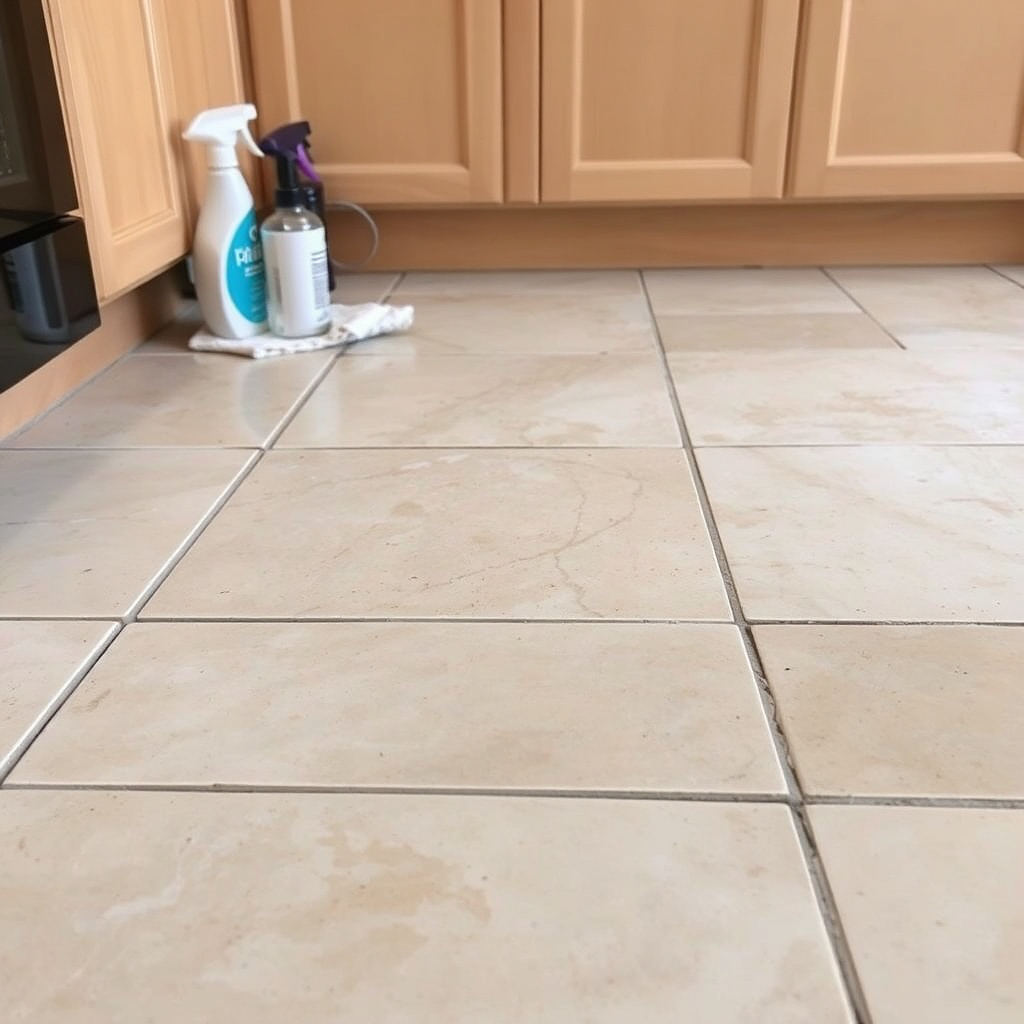
Routine Maintenance Costs and Tips
Maintaining kitchen tiles requires regular cleaning of grout lines and sealing natural stone to prevent stains. Basic cleaning costs are low but resealing stone may cost $1 to $3 per square foot every few years depending on traffic and wear.
Proper upkeep extends tile lifespan and keeps your kitchen looking fresh without major replacements.
- Regular grout cleaning
- Periodic stone sealing
- Use of suitable tile cleaners
For more detailed information about different tile types and their uses, refer to Kitchen tile information on Wikipedia. Kitchen tile information on Wikipedia.
When and How to Replace Kitchen Tiles
Tiles that crack, chip, or discolor often need replacement after 10-20 years depending on quality and care. Spot replacement is possible but matching older tiles can be challenging.
Whole floor or backsplash replacement costs mirror initial installation prices. Timely repairs prevent water damage and costly subfloor problems.
- Tile cracking or chipping indicates replacement
- Match tile type and color carefully
- Replace grout if necessary
Kitchen Tile Category Cost Comparison
Below is a cost comparison of common kitchen tile categories showing average material and labor prices to help you find options within your budget.
| Tile Type | Material Cost per Sq. Ft. | Labor Cost per Sq. Ft. | Durability | Style Versatility |
|---|---|---|---|---|
| Ceramic | $3 – $5 | $5 – $10 | Medium | High |
| Porcelain | $5 – $10 | $5 – $10 | High | Medium |
| Natural Stone | $7 – $15 | $7 – $12 | High | Low |
| Glass | $20 – $40 | $10 – $20 | Medium | High |
| Mosaic | $10 – $25 | $10 – $20 | Medium | High |
Frequently Asked Questions
How long does it take to tile a kitchen?
Tiling a typical kitchen takes about 2 to 5 days depending on area size, tile complexity, and drying time for adhesives and grout.
Can I install kitchen tiles over existing flooring?
While possible on some surfaces, it's usually best to remove old flooring to ensure proper adhesion and avoid height or leveling problems.
Are kitchen tiles slippery when wet?
Some tile types can be slippery; choosing tiles with textured or slip-resistant surfaces improves safety in kitchen floors.
What tile type is best for kitchen backsplashes?
Ceramic subway tiles are popular for backsplashes due to easy cleaning, affordability, and wide style options.
How often should kitchen tile grout be resealed?
Grout sealing is recommended every 1 to 2 years to protect against stains and moisture, especially in kitchens.
Key Takeaways
- Kitchen tile costs vary widely based on material, labor, and kitchen size.
- Floor tile installation costs differ from backsplash or wall tile installation.
- Professional installation offers reliability but DIY can cut costs if done carefully.
- Additional factors like surface prep or underfloor heating impact total expenses.
Conclusion
Calculating how much to tile a kitchen involves understanding multiple cost factors from tile material prices to labor and preparatory work. Evaluate your kitchen size, chosen tile type, and labor rates honestly to create a realistic budget. Remember that investing in quality tiles and experienced installation often adds long-term value and durability above just the initial price tag.
If your budget is modest and you want durability, ceramic or porcelain tiles for floors combined with classic ceramic subway tile backsplashes provide a cost-effective, stylish kitchen update. Those with more to spend may explore natural stone or glass tiles for a premium look but should expect higher material and labor costs. DIY enthusiasts can reduce expenses by installing straightforward ceramic tiles but should assess their skill carefully.
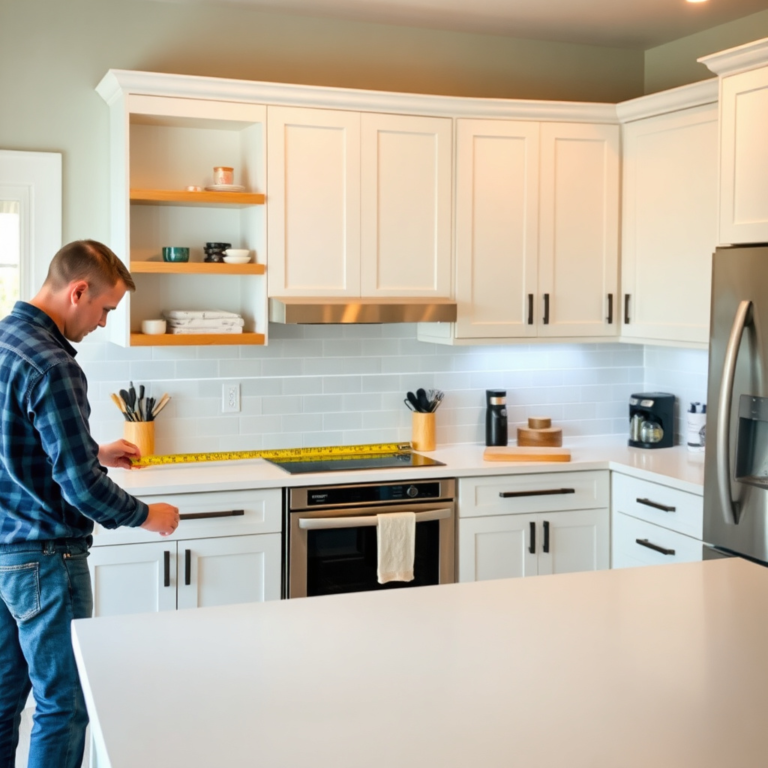
Start by measuring your kitchen floor and backsplash areas accurately, then research tile samples and get multiple professional quotes. Prioritize quality and durability alongside cost to avoid early repairs or replacements. With careful planning, you can achieve a beautiful kitchen tiled surface that fits your style and budget.