
How to Arrange Kitchen Cabinets for Maximum Efficiency
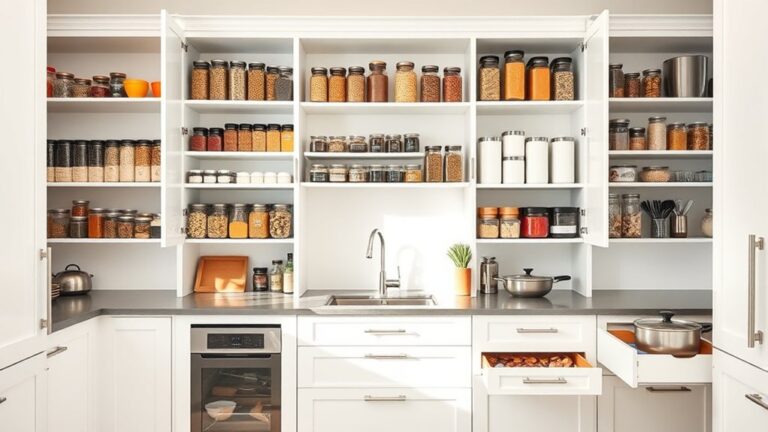
Arranging your kitchen cabinets effectively begins with grouping items based on their function and frequency of use. Store daily-use dishes and utensils near the sink and dishwasher, while placing less frequently used appliances and cookware higher up or in less accessible areas. Proper zoning of your kitchen cabinets streamlines your cooking process and reduces unnecessary movement.
A well-organized kitchen not only speeds up meal preparation but also minimizes clutter, making cleaning easier and giving your kitchen a tidier, more inviting appearance. Many homeowners underestimate how the cabinet layout affects overall kitchen usability, but strategic placement can have a huge impact on daily routines.
This article explores practical methods to arrange kitchen cabinets, including zone-based placement, storage solutions for different types of kitchenware, tips on cabinet accessories, and how to optimize space in small kitchens. By the end, you'll have actionable ideas to transform your cabinets into a more practical and pleasant workspace.
Understanding Kitchen Work Zones
Defining the Main Functional Zones
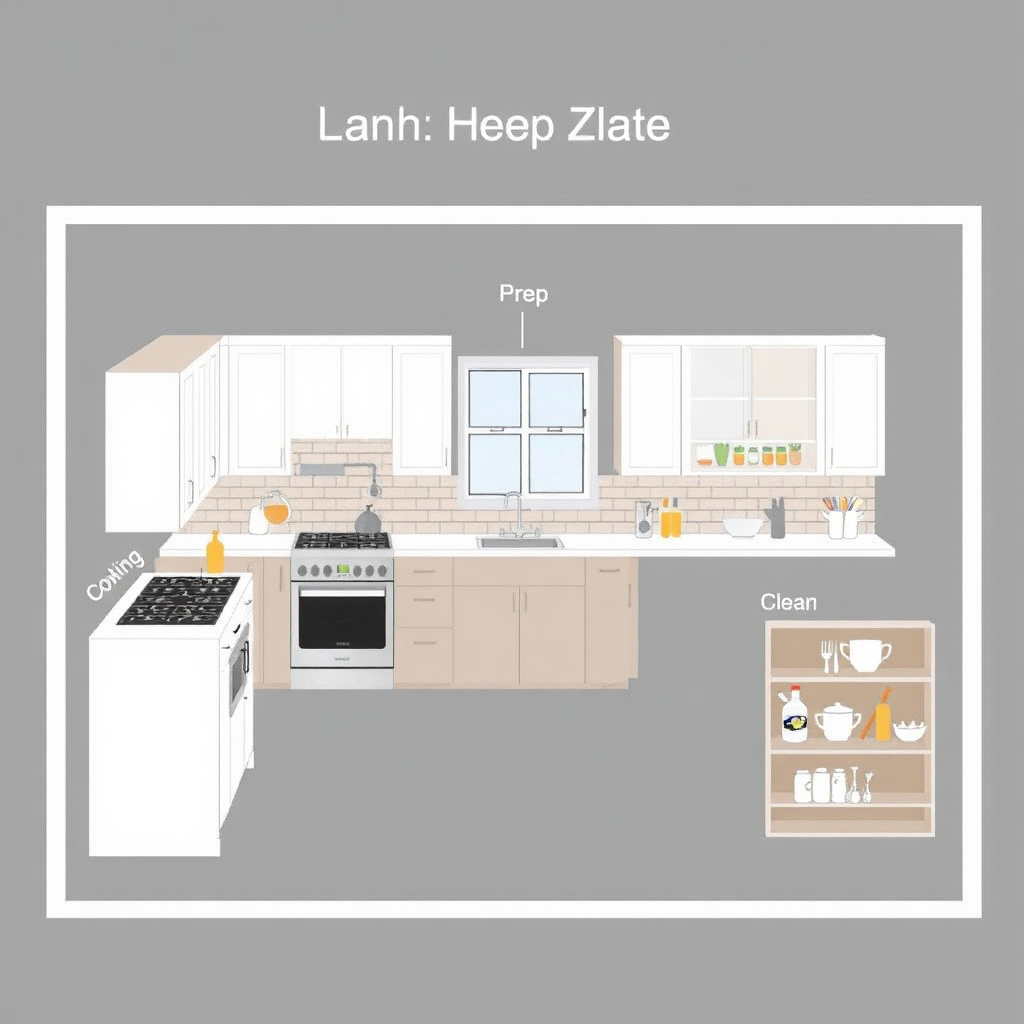
Kitchen work zones divide your space into areas designated for specific tasks: food preparation, cooking, cleaning, and storage. Properly organizing cabinets within these zones ensures efficiency. For example, store cutting boards, knives, and mixing bowls near the prep zone, while pots and pans belong close to the stove within the cooking zone.
Grouping items by their function reduces unnecessary trips across the kitchen, making your workflow smoother. Concentrating related tools and ingredients enhances accessibility and maintains order.
Adjusting Zones to Your Cooking Style
Every kitchen user has unique habits, so adapt the zones to fit your cooking frequency and style. If baking is frequent, dedicate cabinet space for baking sheets, measuring cups, and mixers near your prep area. Conversely, if you’re a casual cook, simplify by focusing on essentials within easy reach.
Customizing cabinet organization around your routine optimizes convenience and encourages tidiness by making it easy to put items back in designated spots.
Strategic Placement of Kitchen Cabinets
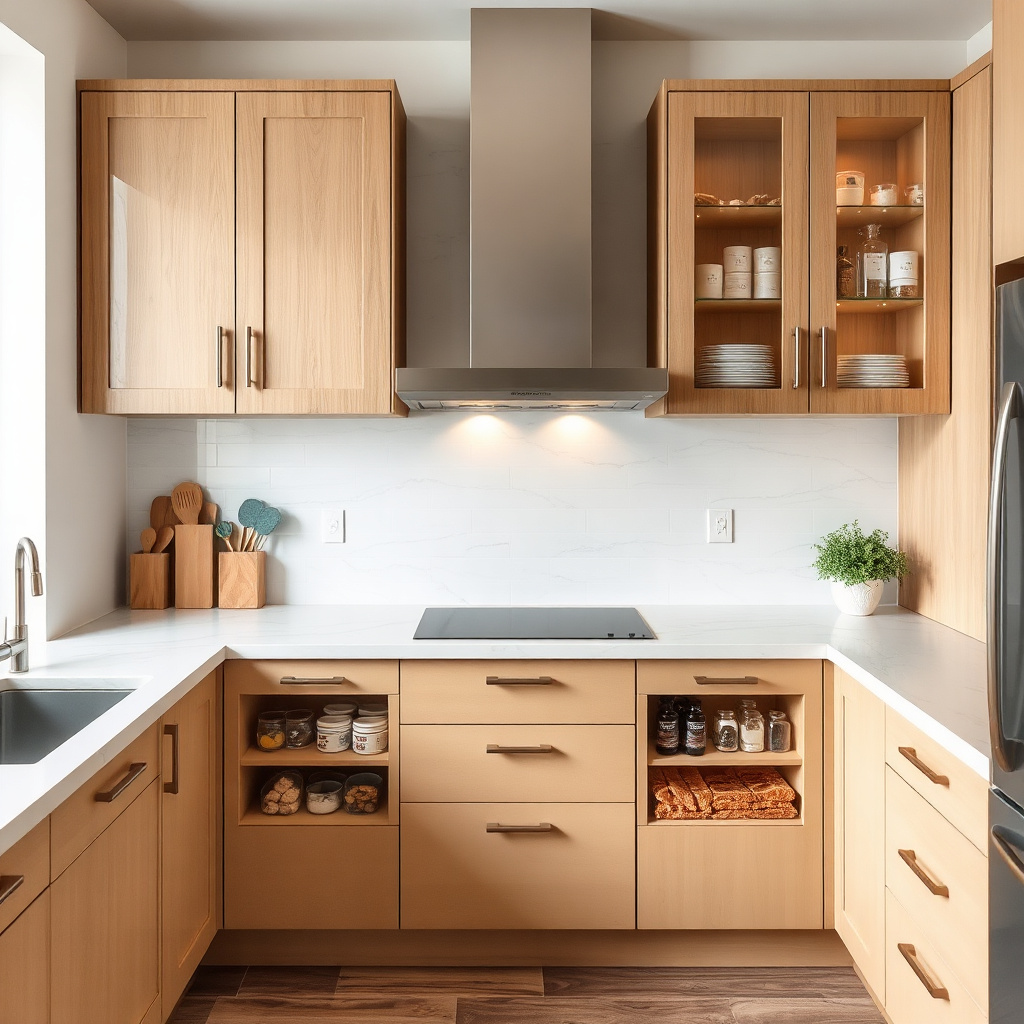
Upper Cabinets for Lightweight and Frequent Items
Place frequently used lighter items like glasses, plates, and spices in upper cabinets to make them easily reachable without bending. Use adjustable shelves to fit varying heights for items such as tall glasses or cereal boxes.
Storing these items overhead frees up counter space and keeps your essentials close at hand while cooking or serving.
- Glasses and cups
- Plates and bowls
- Spices and condiments
For more on this, see our related guide: 10 Tips to Display Cutting Boards on Your Kitchen Counter.
Lower Cabinets for Heavy and Bulky Items
Lower cabinets are well-suited for heavy cookware like pots, pans, and small appliances because they offer sturdy, accessible storage. Use pull-out drawers or lazy Susan turntables in corner cabinets to maximize visibility and reach.
Position frequently used heavy items near the stove or prep area to avoid carrying them long distances while cooking.
- Pots and pans
- Mixing bowls
- Small kitchen appliances
Organizing Inside Kitchen Cabinets Efficiently
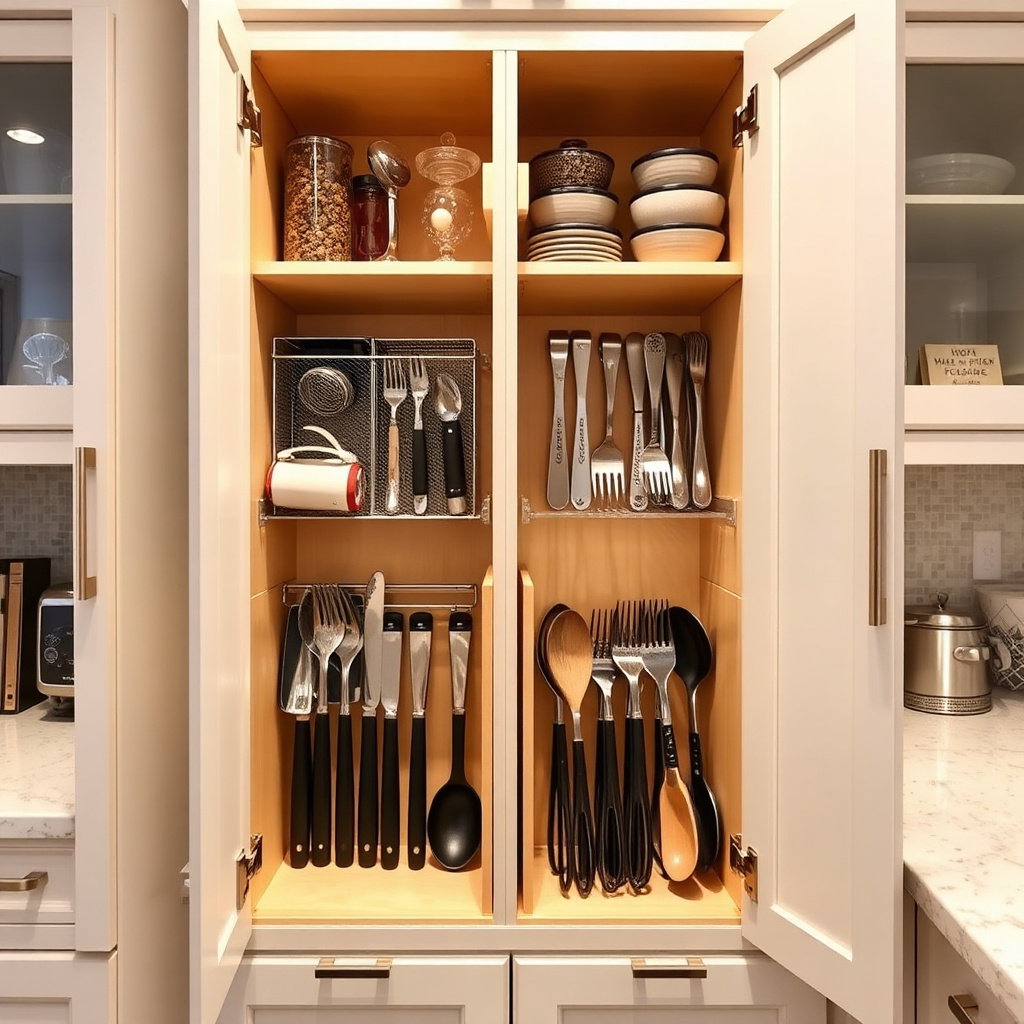
Using Cabinet Accessories for Better Organization
Incorporate accessories like pull-out shelves, vertical dividers, and door racks to customize interior space and prevent clutter. For example, vertical dividers neatly store baking sheets and cutting boards, while pull-out shelves provide easy access to items stored deep inside lower cabinets.
These tools improve visibility and accessibility, reducing frustration and time spent searching for items.
- Pull-out shelves
- Vertical dividers
- Door-mounted racks
Labeling and Grouping by Category
Label shelves or containers inside cabinets to reinforce organization and help all household members find and return items correctly. Group similar kitchen tools, such as baking supplies, canned goods, or cleaning products, to maintain order over time.
Grouping accelerates restocking and encourages systematic tidiness.
- Label shelves or bins
- Group by usage category
Optimizing Kitchen Cabinets in Small Spaces
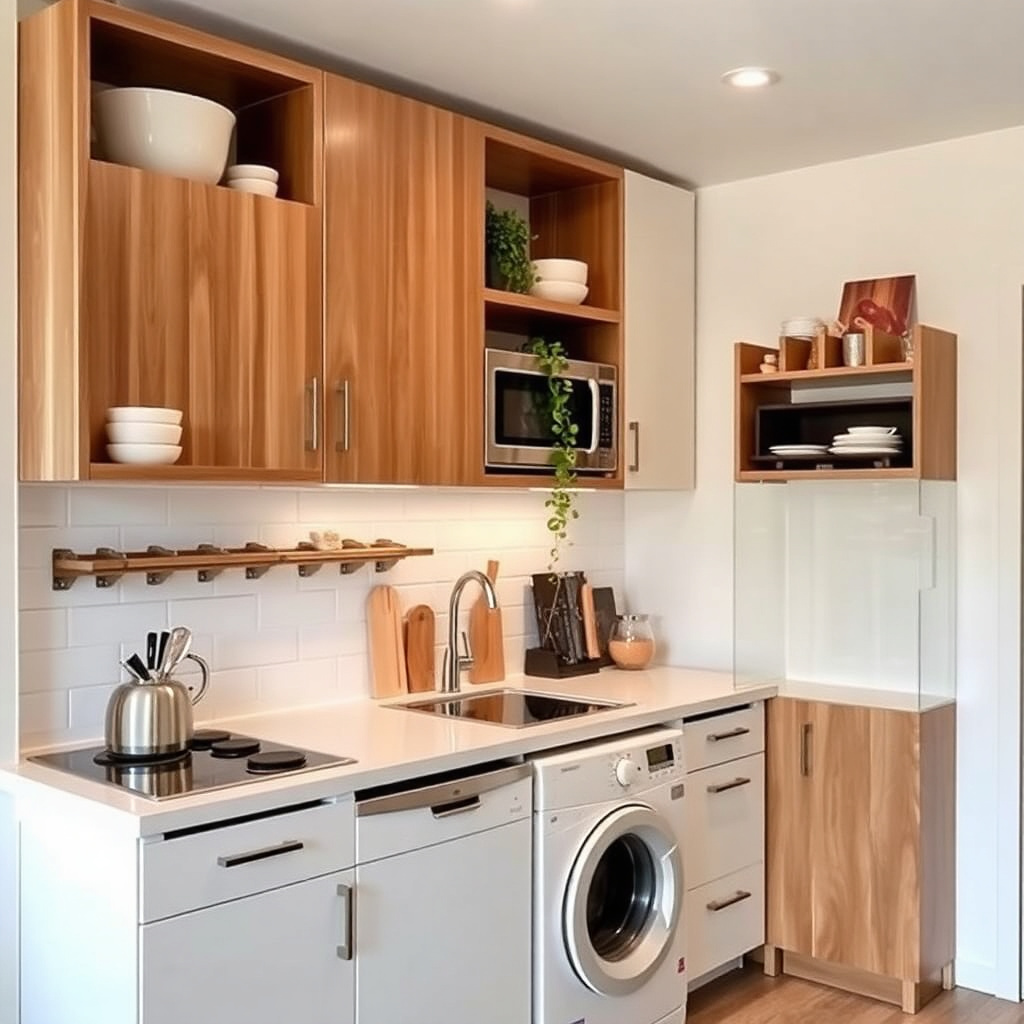
Maximizing Vertical Storage
In kitchens with limited square footage, extend cabinets up towards the ceiling to take advantage of vertical space. Use tall cabinets with adjustable shelves or stackable bins to store less frequently used items safely out of the way.
Adding step stools can make higher cabinets accessible while keeping the main workspace clear.
- Tall cabinets with adjustable shelves
- Stackable storage bins
- Use of step stools
For more on this, see our related guide: How to Fit a Kitchen in 7 Simple Steps.
Utilizing Corner and Narrow Spaces
Corners often become dead zones, but installing lazy Susans or corner drawers can transform them into useful storage. Similarly, narrow pull-out pantry cabinets fit in tight spots and provide accessible storage for spices or canned goods.
These solutions add storage capacity without increasing kitchen footprint.
- Lazy Susan turntables
- Corner drawers
- Pull-out narrow pantries
Maintaining Your Kitchen Cabinet Organization
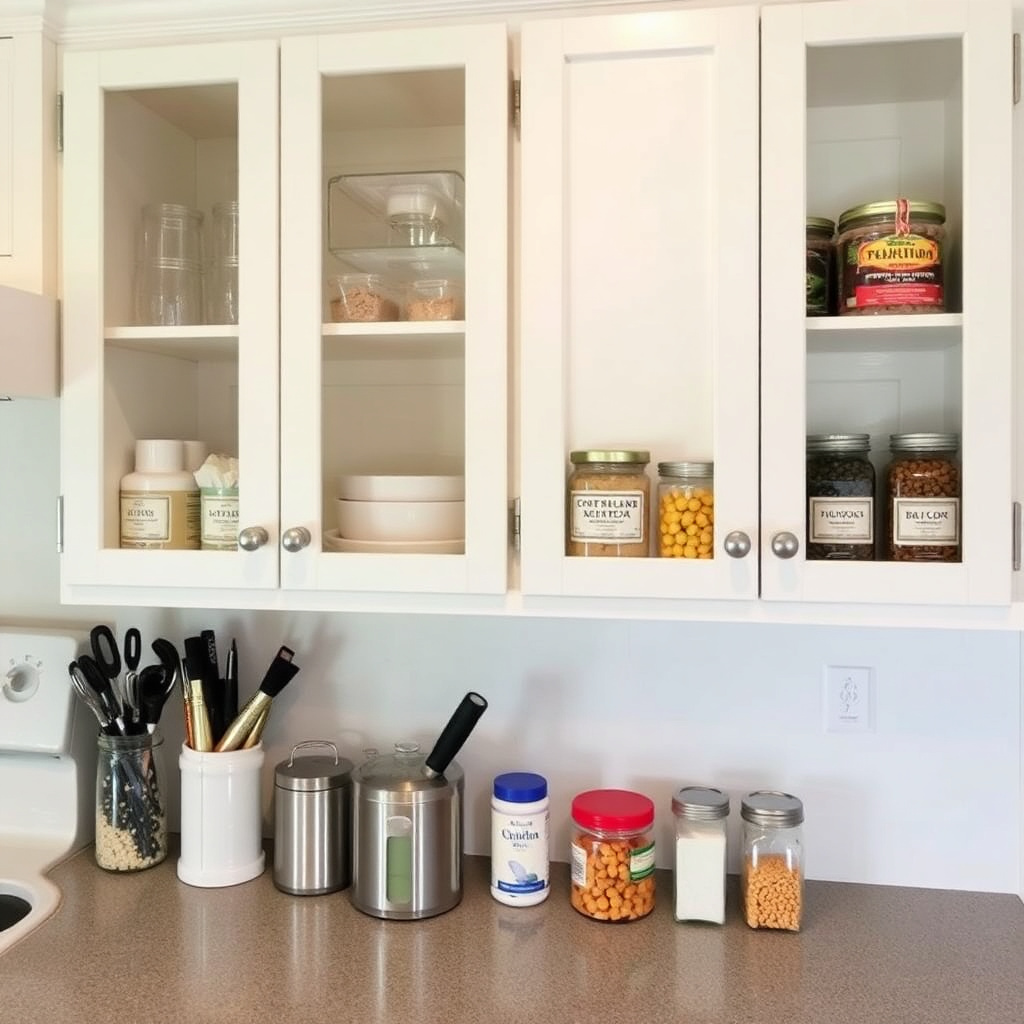
Regular Decluttering and Cleaning
Schedule periodic checks to remove expired food, donate seldom-used items, and wipe down cabinet interiors. Regular maintenance prevents buildup of clutter and keeps your kitchen functional and hygienic.
A clean cabinet environment also reduces pest risks and preserves your kitchenware.
- Check expiration dates
- Donate or discard unused items
- Wipe interiors regularly
For more detailed information on kitchen storage design principles, see the kitchen cabinet organization overview. kitchen cabinet organization.
Adapting Organization with Changing Needs
As your cooking habits or household size change, revisit cabinet arrangements to accommodate new priorities. Swap contents between zones or upgrade accessories to meet evolving storage demands.
Flexibility in cabinet layout ensures long-term satisfaction and convenience.
Kitchen Cabinet Arrangement Options Comparison
Here is a comparison of common cabinet arrangement types to help you decide which suits your kitchen best.
| Arrangement Style | Best For | Pros | Cons |
|---|---|---|---|
| Zone-Based | Experienced cooks with complex workflows | Enhances efficiency by task grouping | Requires planning and customization |
| Open Shelving Focus | Small kitchens to feel spacious | Easy access and visual appeal | Needs frequent dusting and tidying |
| Minimalist Storage | Minimalist or small household kitchens | Reduces clutter and simplifies cleaning | Limited storage capacity |
| Mixed Modular Units | Flexible kitchens with changing needs | Adapts easily to varying storage | May be costly to install |
Frequently Asked Questions
What should I keep in upper kitchen cabinets?
Upper cabinets are ideal for lighter, frequently used items like glasses, plates, and spices because they are easily reachable and keep countertops clear.
How often should I reorganize my kitchen cabinets?
Reorganizing every few months or with a seasonal cleaning helps keep cabinets tidy, removes expired items, and adapts storage to changing needs.
Are pull-out shelves worth installing in kitchen cabinets?
Yes, pull-out shelves improve visibility and accessibility, especially in deep lower cabinets, making it easier to reach items stored at the back.
How can I maximize storage in small kitchen cabinets?
Utilize vertical space with tall cabinets, use corner solutions like lazy Susans, and add narrow pull-out pantries to maximize storage in small kitchens.
Should I label my kitchen cabinet shelves?
Labeling helps maintain organization by clearly indicating where items belong, aiding quick retrieval and encouraging others to return items properly.
Key Takeaways
- Group kitchen cabinet contents based on function and frequency
- Use upper cabinets for light, frequent-use items and lower for heavy cookware
- Incorporate cabinet accessories for improved organization and access
- Adapt cabinet layouts to fit small spaces and evolving needs
Conclusion
Arranging kitchen cabinets with efficiency in mind provides a smoother cooking experience and reduces daily stress in the kitchen. The main principle is to organize items by function and how often they’re used, positioning them within easy reach based on your workflow zones. Whether you are a serious cook or a casual user, thoughtful cabinet placement can minimize unnecessary steps and clutter while maximizing utility.
For those who cook regularly, a zone-based arrangement enhances speed and convenience, placing prep tools close to countertops and cookware near the stove. Small kitchens benefit from vertical extensions and corner solutions that save precious space. Accessories like pull-out shelves or lazy Susans bring hidden areas to life, while labeling cabinets supports sustained organization over time. Choosing a style from the comparison section tailored to your habits helps solidify your optimal setup.
Start by evaluating your kitchen routine and group items accordingly. Experiment with one zone or cabinet at a time, and gradually integrate accessories that suit your storage. With a bit of planning and small adjustments, your kitchen cabinets can become a well-ordered, enjoyable part of your home that supports rather than hinders your food preparation and cleanup tasks.