
How to Organize Your Kitchen for Maximum Efficiency and Space
Organizing your kitchen starts with sorting all your items by category and assessing your space to create designated zones for cooking, prep, storage, and cleaning. Use clear storage containers, drawer dividers, and shelf organizers to keep items accessible and reduce clutter instantly.
A well-organized kitchen matters because it speeds up meal preparation and cleaning, reduces stress, and makes your kitchen feel more inviting. When everything has a place, you waste less time searching for tools or ingredients, which helps maintain a smooth workflow.
This article will guide you through key strategies for organizing your kitchen, covering storage optimization, zone creation, decluttering tips, and practical ideas for using vertical and hidden spaces efficiently.
Creating Functional Zones in Your Kitchen
Understanding the Importance of Kitchen Zones
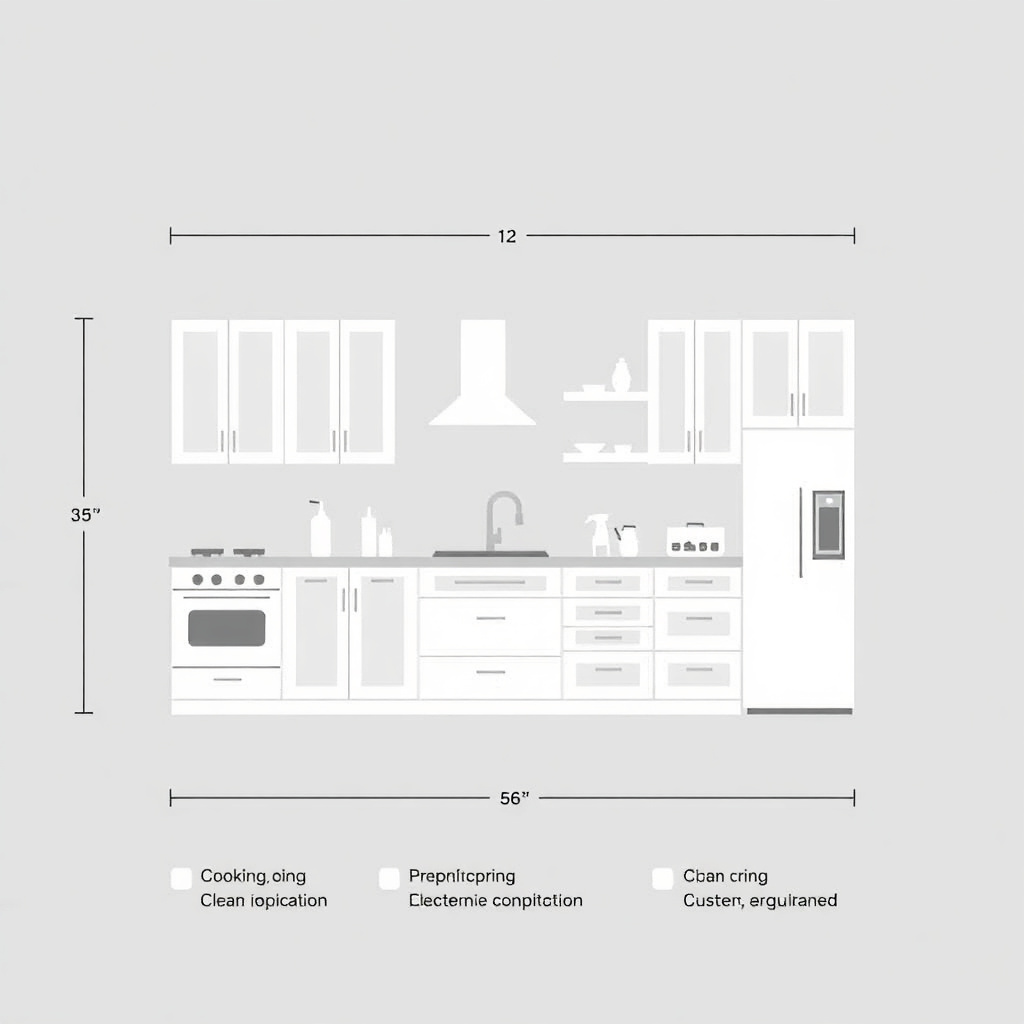
Organizing your kitchen into distinct zones for cooking, cleaning, prepping, and storing creates a logical flow that minimizes movement and streamlines tasks. Each zone should house tools and ingredients relevant to its purpose to reduce unnecessary steps during meal preparation.
For instance, the cooking zone should contain pots, pans, spatulas, and spices, while the cleaning zone houses dish soap, sponges, and trash bins. Defining these zones visually and functionally can dramatically improve your kitchen's usability.
How to Designate Zones Efficiently
Assess your kitchen’s layout to determine natural zones based on appliance placement and counter space. Position the prep zone near your fridge and sink, while situating the cooking zone close to the stove or oven. Keep frequently used cooking tools within arm’s reach of where you cook.
Consider traffic flow—avoid placing zones where they interrupt one another, especially in busy kitchens. Use labels or color coding if helpful to maintain zone clarity over time.
Maximizing Storage with Kitchen Storage Solutions
Utilizing Vertical and Hidden Spaces
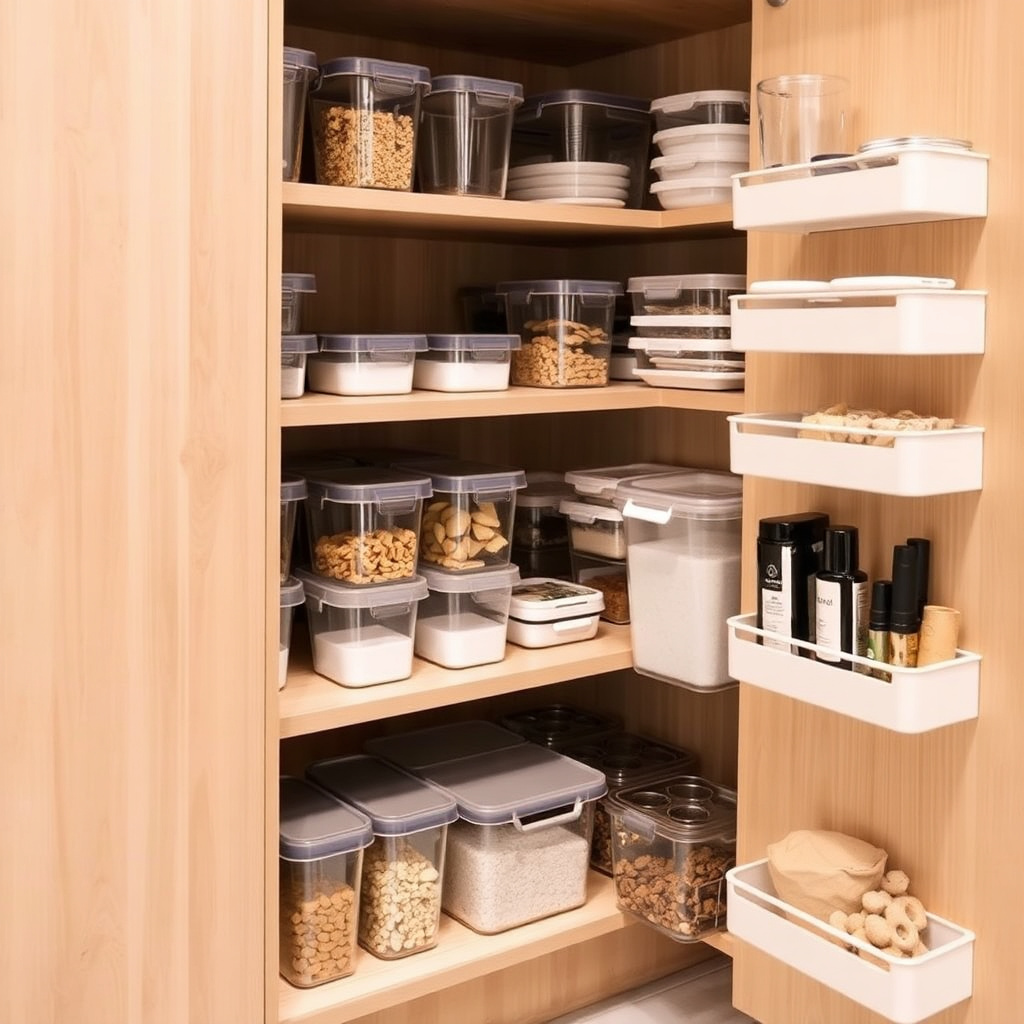
Vertical space is often overlooked but provides ample room for additional storage. Use wall-mounted racks, magnetic knife strips, and tall shelving units to keep counters free. Inside cabinets, install adjustable shelves or tension rods to maximize capacity.
Hidden spaces such as inside cabinet doors or under sink areas can be fitted with hooks, small baskets, or pull-out bins to store smaller items like cleaning supplies or spices in an out-of-the-way fashion.
- Install wall-mounted shelves or pot racks
- Use magnetic strips for knives or metal utensils
- Add hooks inside cabinet doors for measuring spoons or dish towels
For more on this, see our related guide: 10 Tips to Display Cutting Boards on Your Kitchen Counter.
Choosing the Right Storage Containers and Organizers
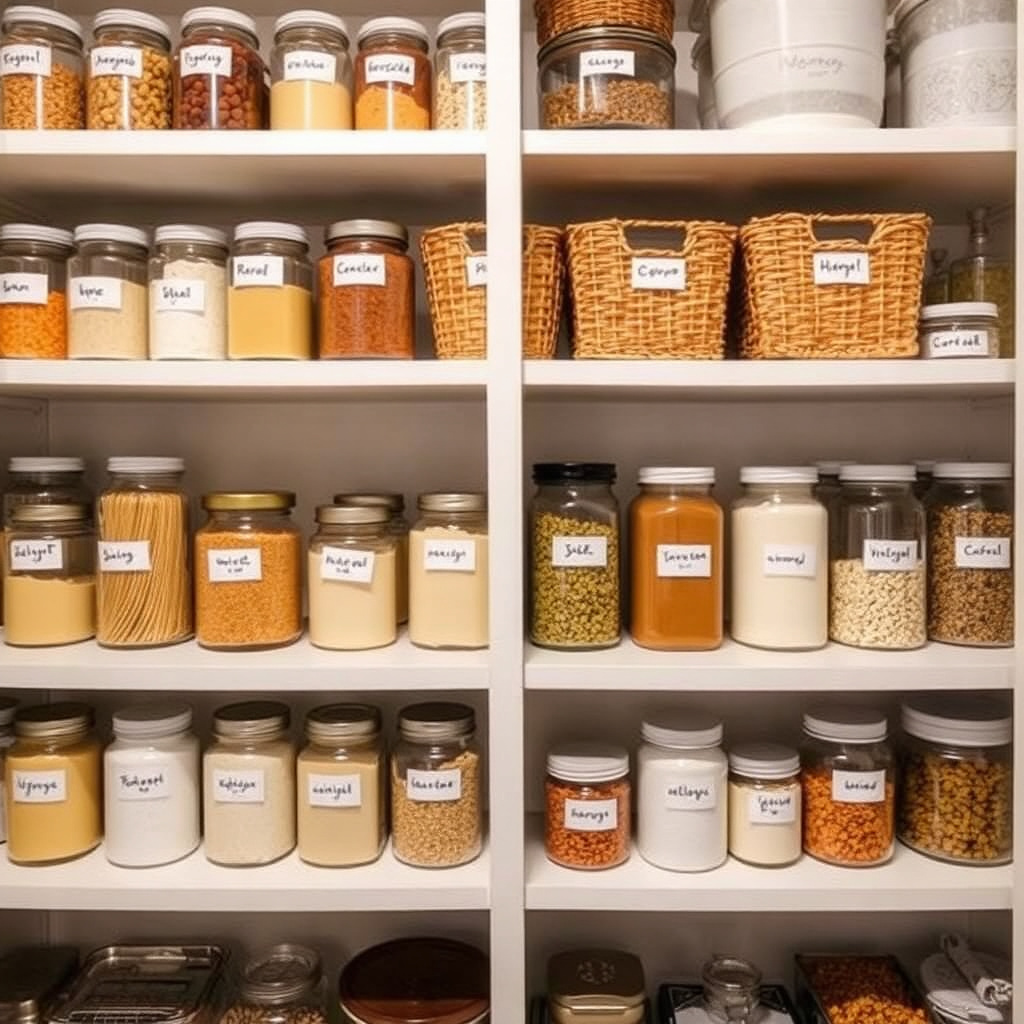
Clear, stackable containers help keep your pantry organized and make it easy to identify ingredients at a glance. Select uniform sizes for efficient use of shelf space and consider airtight containers to preserve freshness.
Drawer dividers, lazy Susans, and pull-out baskets allow you to organize utensils, lids, and pantry items neatly. Proper organizers reduce mess and prevent items from shifting during drawer or door opening.
- Use clear, airtight storage containers for dry goods
- Incorporate drawer dividers for utensil organization
- Install pull-out baskets for easy access to lower cabinet items
Decluttering Tips for a Streamlined Kitchen
Identifying and Removing Unnecessary Items
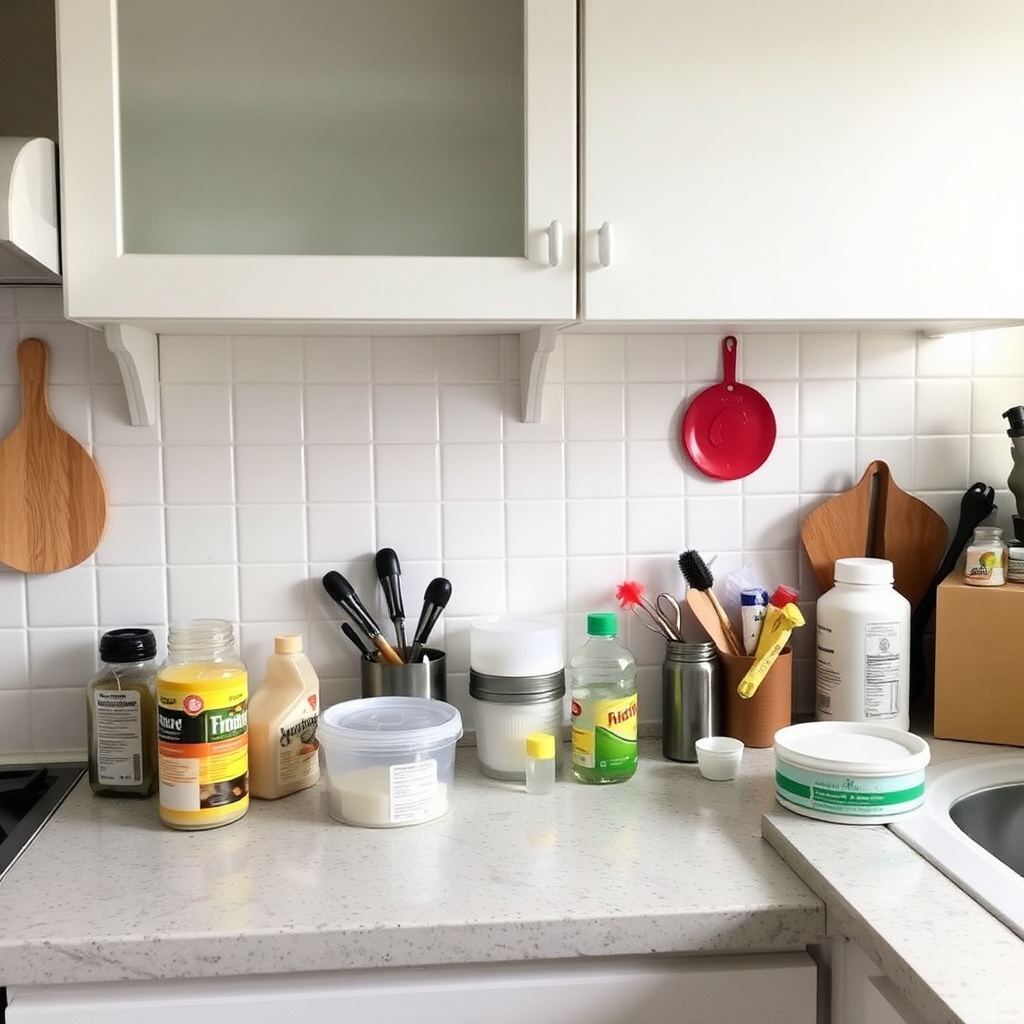
Start your kitchen organization by removing duplicates or rarely used items that take up valuable space. Evaluate tools and gadgets honestly—if you haven’t used something in the past six months, consider donating or storing it elsewhere.
This process frees up cabinets and counters for everyday essentials, keeping your kitchen more functional and visually less crowded.
Establishing Daily Habits to Maintain Organization
Maintaining kitchen organization requires daily habits like wiping counters, putting away items immediately after use, and regular pantry checks to discard expired products. Small consistent efforts prevent clutter buildup and retain a tidy environment.
Schedule a monthly review to reassess organization systems and adjust for any new needs or changes in your cooking habits.
- Clean countertops daily
- Return items to designated zones promptly
- Review pantry and refrigerator monthly
Smart Use of Countertop and Open Shelf Space
Balancing Function and Aesthetics on Countertops
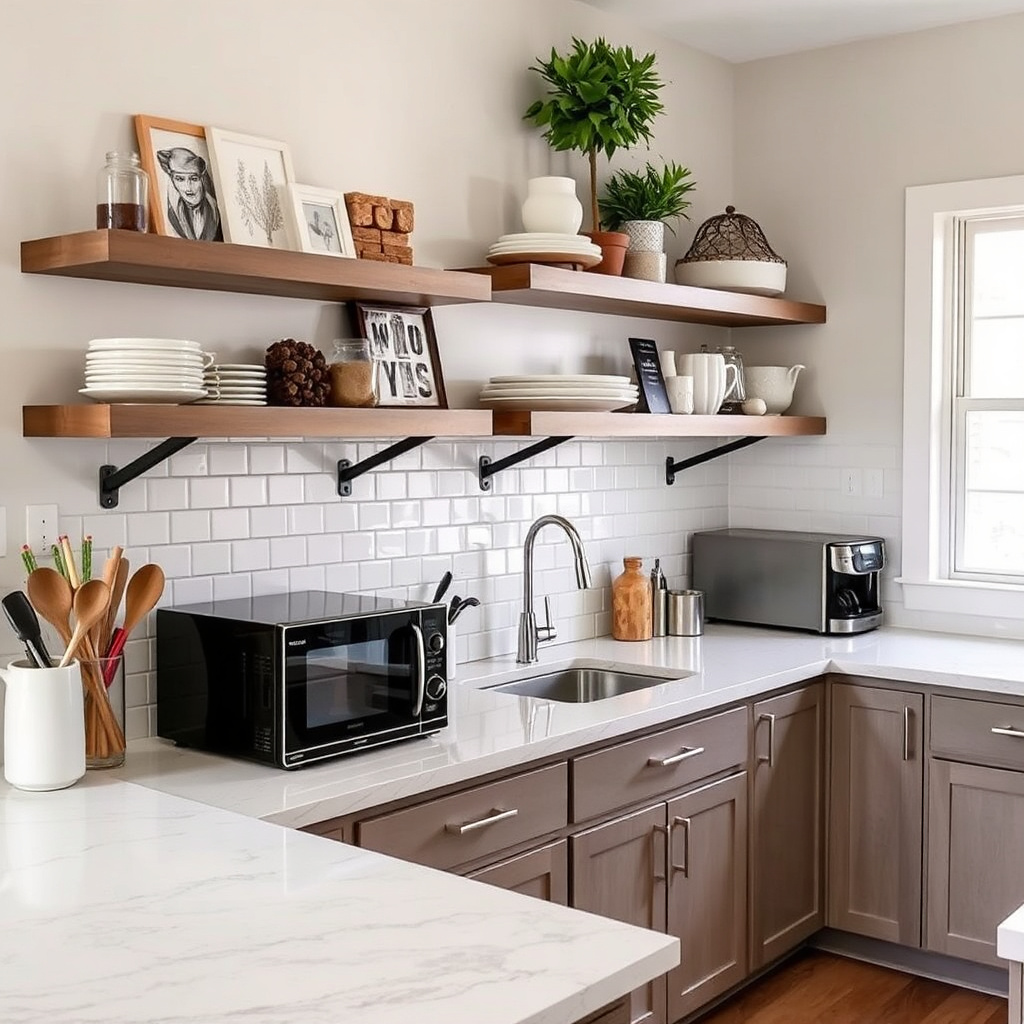
Counters should remain mostly clear to maximize workspace and create a clean look. Keep only frequently used appliances like a coffee maker or toaster on the countertop, storing the rest.
Grouping essentials in a neat, accessible arrangement can make the kitchen feel organized while keeping practical items within reach.
For more on this, see our related guide: 7 Easy Steps to Unclog a Kitchen Drain.
Designing Open Shelves for Practical Storage
Open shelves offer a chance to showcase your attractive dishes and frequently used items while also requiring careful organization to prevent a cluttered appearance.
Use uniform containers, stack dishes neatly, and limit how many items occupy open shelving to maintain a tidy look. Incorporating baskets on shelves can help conceal smaller loose items.
- Display matching dishes or glassware
- Use baskets to group small items
- Keep open shelves limited to essentials
Implementing Efficient Pantry Organization
Sorting and Labeling for Easy Access
Group pantry items by type—grains, canned goods, snacks—and store each category together. Clear labels on containers and shelves assist in quickly locating ingredients and putting items back correctly.
Frequent rotation helps keep food items fresh and reduces waste by using older items first.
- Group similar items together
- Label containers and shelves clearly
- Rotate older items to the front
For additional guidelines on kitchen setup and food storage safety, you can review kitchen organization tips from the USDA. Kitchen organization tips from the USDA.
Optimizing Shelf Space with Modular Containers
Using modular containers that stack or snap together makes the most of pantry space and prevents gaps. Containers designed specifically for pantry storage improve visibility and reduce spills or messes.
Adjustable shelving units allow customization of shelf height to fit taller bottles or boxes, adding flexibility to your pantry layout.
- Utilize stackable containers for uniformity
- Adjust shelves for different item heights
- Choose containers with airtight seals
Kitchen Storage Solutions Comparison
Here’s a comparison of popular kitchen storage solutions to help you find the ideal fit for your space and needs.
| Storage Solution | Best For | Price Range | Installation Required |
|---|---|---|---|
| Pull-Out Baskets | Lower cabinets and pantry | $30-$70 per unit | Minimal |
| Wall-Mounted Racks | Vertical space, pots/pans | $20-$50 | Moderate |
| Drawer Dividers | Utensil and tool organization | $10-$40 | None |
| Clear Stackable Containers | Pantry dry goods | $5-$25 per container | None |
| Magnetic Knife Strips | Knife storage | $15-$40 | Moderate |
Frequently Asked Questions
How often should I reorganize my kitchen?
Reorganizing every 3 to 6 months helps maintain order and adjust to changes in your cooking habits or kitchen items.
What are the best containers for pantry storage?
Clear, airtight containers made of glass or BPA-free plastic help keep food fresh and visible for easy identification.
How can I make small kitchens feel less cluttered?
Using vertical storage solutions and clearing countertops of non-essential items creates a more open, organized feeling in small kitchens.
Is it better to store items by frequency of use or category?
Combining both works best—store frequently used items within easy reach and group similar items together to simplify retrieval.
What’s a practical way to maintain kitchen organization daily?
Cleaning as you go, returning items to their designated zones immediately, and wiping surfaces daily prevent clutter buildup.
Key Takeaways
- Divide your kitchen into clear functional zones for efficiency.
- Maximize vertical and hidden spaces using creative storage solutions.
- Regularly declutter and maintain daily habits to keep order.
- Use clear, stackable containers and labeling for pantry organization.
Conclusion
Organizing your kitchen requires thoughtful planning focused on creating functional zones and utilizing every inch of available space wisely. Paying attention to how you use your kitchen daily helps tailor solutions that reduce clutter and speed up meal preparation. Thoughtfully arranged zones for cooking, prepping, cleaning, and storing set the foundation for smoother workflows and less frustration.
Depending on your kitchen size and preferences, storage categories like pull-out baskets for lower cabinets, wall-mounted racks for pots, and drawer dividers for utensils can bring significant benefits. Small kitchens gain from vertical storage and clearing countertops, while larger kitchens can afford dedicated prep zones and open shelves for aesthetic yet practical access. Labeling and categorizing pantry items with clear, stackable containers further enhance accessibility.
Start small by identifying clutter hotspots and creating designated homes for your essentials, then build on that foundation with smart kitchen storage solutions. Consistent daily upkeep is key to maintaining an organized kitchen that supports your cooking lifestyle, making the space more enjoyable and less stressful to use.