
How to Decorate a Dining Room for a Stylish and Inviting Space
Decorating a dining room starts with defining the atmosphere you want to create and selecting pieces that balance function and style. Begin with a centerpiece table that suits your space and lifestyle, paired with comfortable seating. Next, focus on lighting, color, and decorative accents to elevate the mood and cohesiveness of the room. This targeted approach gives immediate guidance to achieve a welcoming dining environment.
The dining room is more than just a place to eat—it’s a setting for connection and conversation, reflecting your personal taste while accommodating your family and guests. Thoughtful decor enhances not only aesthetics but also comfort and usability, transforming the room into a versatile gathering spot. Considering elements like furniture scale, lighting layers, and wall treatments makes all the difference in crafting a balanced, inviting space.
This article will explore essential aspects of decorating a dining room, including furniture choices, color palettes, lighting options, layout tips, floor coverings, wall decor, and accessorizing. By addressing each element in detail, you’ll find practical advice and creative ideas to personalize your dining area effectively.
Choosing the Right Dining Room Furniture
Selecting a Dining Table That Fits Your Space
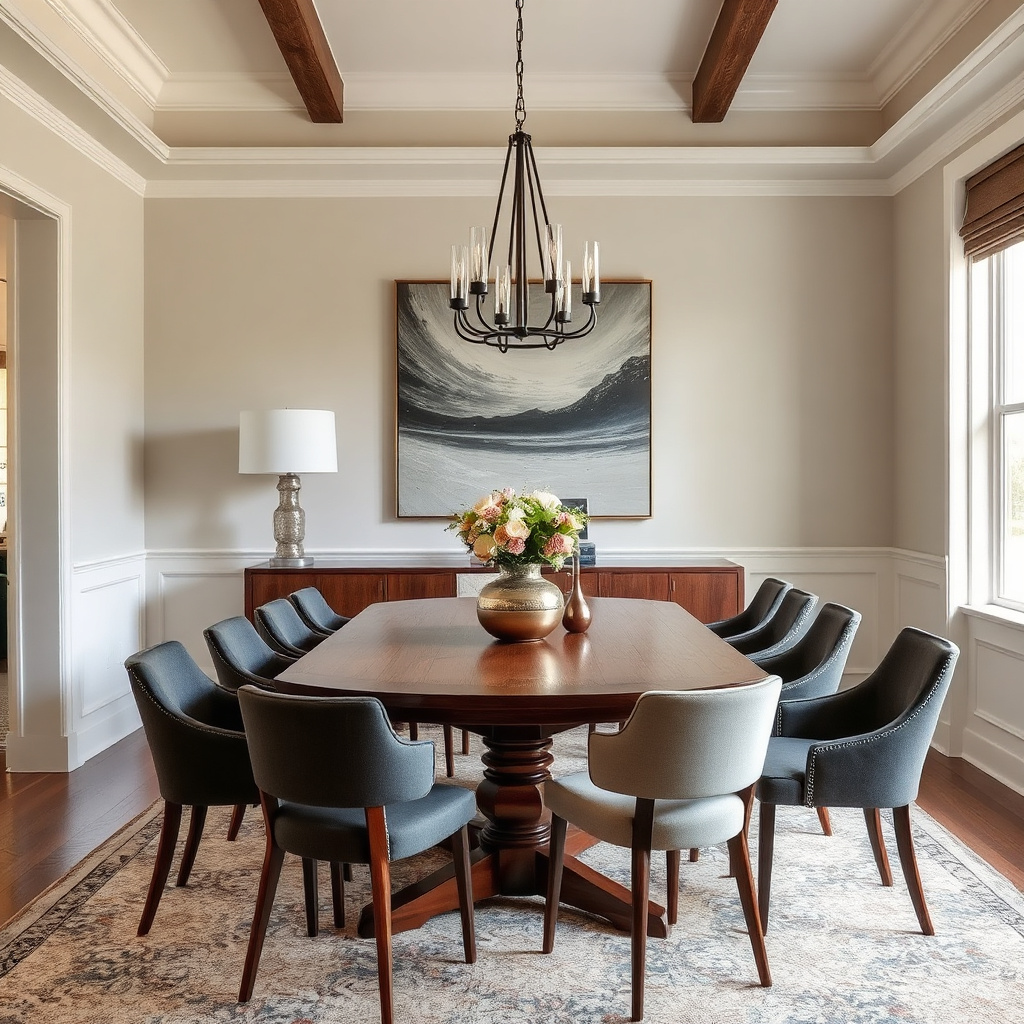
Selecting a dining table depends on your room size, shape, and how many people you typically accommodate. Rectangular tables suit long or narrow rooms, while round tables work well in smaller or square spaces, encouraging conversation. Consider extendable tables for flexibility when hosting larger groups.
Material choices range from traditional wood to glass or metal. Wooden tables add warmth and classic charm but need maintenance to resist scratches. Glass tops provide a modern, airy look but can show fingerprints. Ensure the table height is standard (around 28-30 inches) for comfortable seating.
- Rectangular for elongated spaces
- Round or oval for intimate gatherings
- Extendable options for versatility
- Durable materials like hardwoods
Choosing Comfortable and Stylish Dining Chairs
Comfort is essential for dining chairs, but so is style. Upholstered seats with cushions provide comfort for extended meals, while wooden or metal chairs offer a sleeker look. Mixing chair styles or using bench seating can add personality and save space.
Consider the chair height relative to the table; there should be about 10-12 inches between seat and table underside. Also, pay attention to armrests and back support, especially if you spend a lot of time dining or entertaining.
- Ensure seat height complements table
- Mix materials for visual interest
- Upholstery adds softness
- Benches can accommodate more guests
Color Palettes and Wall Treatments for Dining Rooms
Choosing Colors That Set the Mood
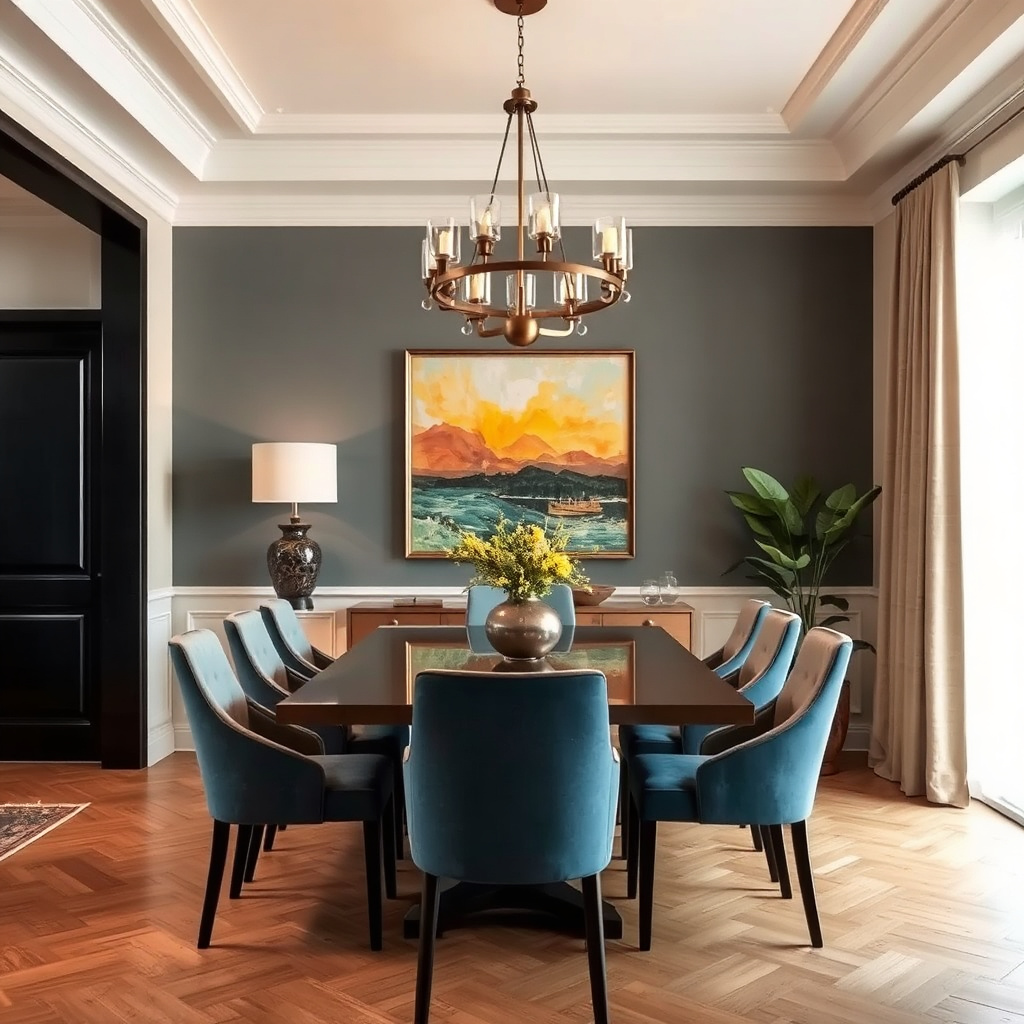
Color sets the emotional tone of your dining room. Warm tones like terracotta, mustard, or deep reds stimulate appetite and conversation. Cooler hues such as soft blues or greens create a calming, peaceful ambiance. Neutral palettes with layered textures are timeless and allow flexibility in decor updates.
Using one dominant color with accent shades in accessories or furniture creates cohesion without overwhelming the space. Lighter colors can make smaller rooms feel more open, while darker shades add intimacy and drama.
- Warm colors encourage sociability
- Cool colors promote calmness
- Neutrals allow versatile styling
- Accent colors highlight focal points
For more on this, see our related guide: 10 Must-Try Rally Menu Items With Prices.
Wall Treatments to Add Texture and Interest
Walls can be enhanced with paint, wallpaper, wainscoting, or paneling to add depth. Textured wallpapers or subtle metallic finishes create a sophisticated backdrop, while wood paneling brings rustic charm. A gallery wall with framed art or mirrors adds personality and reflects light.
Consider durability and ease of cleaning for dining room walls since the space can be prone to splashes or fingerprints. Washable paint and straightforward surfaces work best for daily use.
- Textured wallpaper for subtle flair
- Wood paneling adds warmth
- Gallery walls personalize space
- Washable paints offer practicality
Lighting Strategies to Enhance Ambiance and Function
Selecting the Right Overhead Lighting
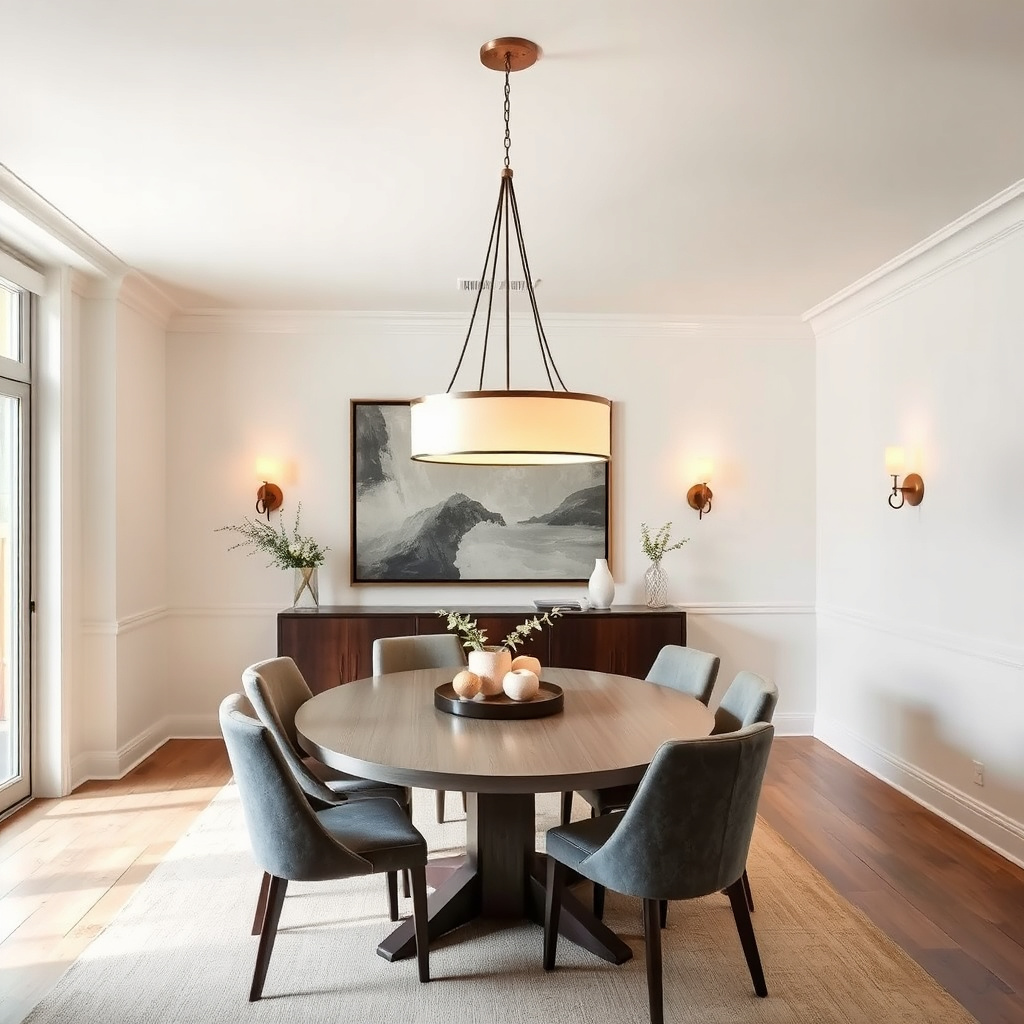
The main source of light is usually a pendant or chandelier centered over the dining table. This fixture should be the room’s focal point and provide ample illumination without glare. Height placement is critical: typically 28-34 inches above the table surface ensures comfort and elegance.
Styles vary widely, from modern geometric designs to classic crystal chandeliers, allowing you to reinforce your room's aesthetic. Choosing dimmable options enables mood control for different occasions.
- Center fixture over dining table
- Maintain proper hanging height
- Opt for dimmable bulbs
- Match fixture style to room decor
Layering Light with Supplemental Fixtures
Beyond overhead lighting, supplement with wall sconces, floor lamps, or table lamps to soften shadows and add warmth. These layers create a balanced lighting scheme that enhances both functionality and atmosphere.
Natural light is also a key factor; use sheer curtains to allow daylight while reducing glare. Reflective surfaces like mirrors can amplify natural and artificial light, making the room feel larger and more inviting.
- Use wall sconces for ambient light
- Incorporate floor/table lamps for depth
- Maximize natural light access
- Add mirrors to reflect and expand light
Arranging Your Dining Room Layout For Ease and Style
Optimizing Space Around the Table
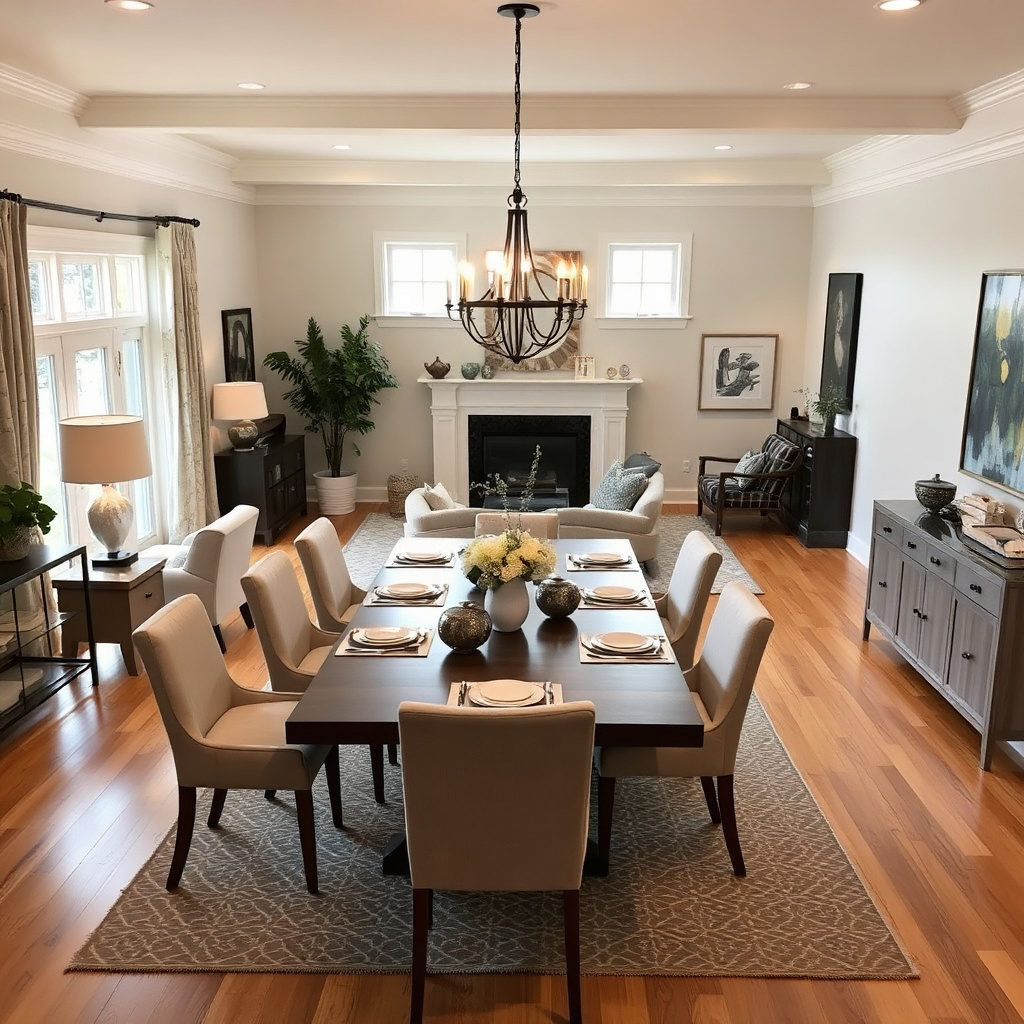
Ensure there is enough clearance around the table for easy movement—typically 36-48 inches between the table and walls or other furniture. Crowded spaces feel uncomfortable and limit flow during meals or gatherings.
Consider pathways for serving and circulation, keeping frequently used items accessible. Angling the table or offsetting chairs slightly can make a room feel less rigid without sacrificing function.
- Allow 36-48 inches clearance all sides
- Maintain clear pathways for serving
- Balance spacing for comfort and style
- Avoid overcrowding with other furniture
Zoning with Rugs and Furniture Placement
Area rugs help visually separate the dining zone, adding softness and sound dampening. Choose a rug large enough so chairs remain on it, even when pulled out. Rug patterns and colors should complement the overall palette without competing.
Additional furniture like sideboards or display cabinets can frame the space, providing storage and enhancing visual interest. Placement should avoid obstruction of pathways and maintain room balance.
- Use rugs to define dining area
- Pick rug size covering chairs fully
- Add sideboards for storage and style
- Ensure furniture placement supports flow
Accessorizing to Personalize Your Dining Room
Selecting Centerpieces and Table Decor
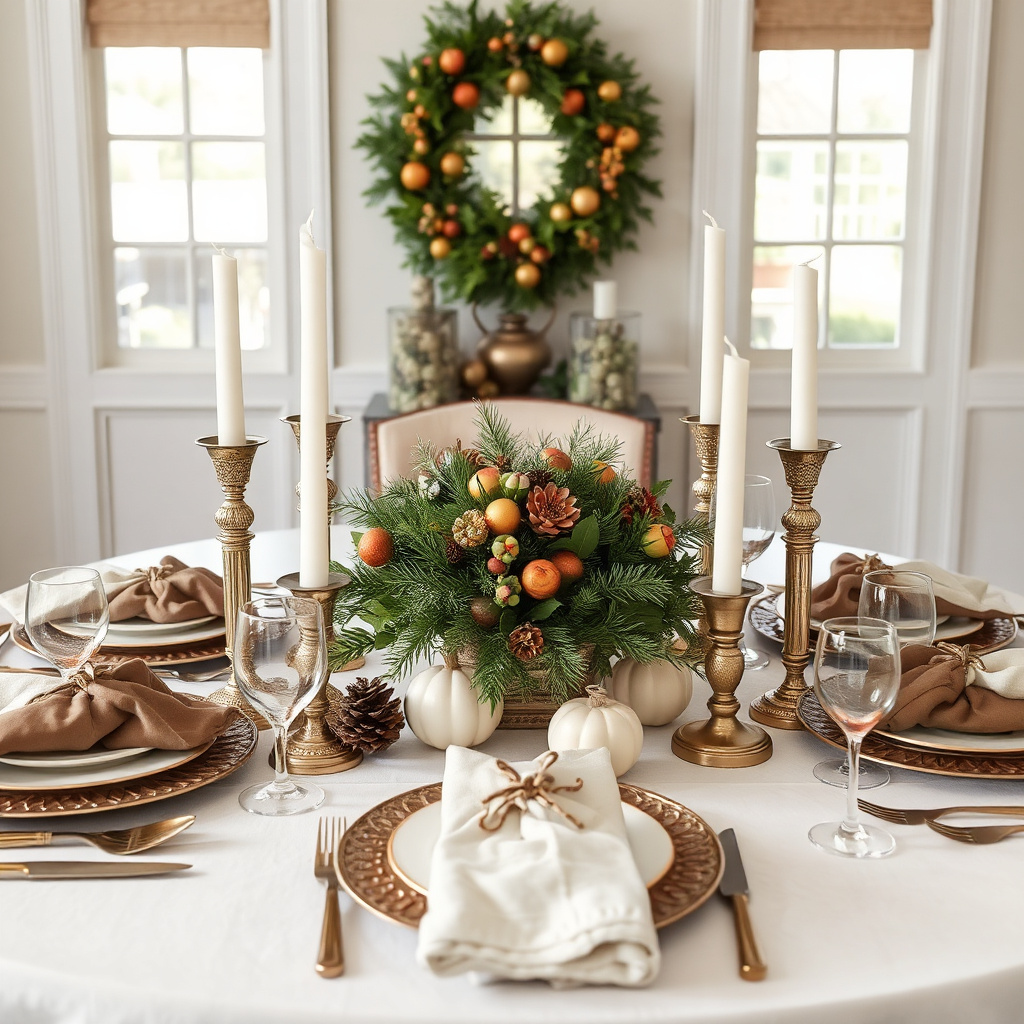
The centerpiece anchors the table visually and can be adapted seasonally. Fresh flowers, candles, or sculptural objects bring life and interest. Keep the height low enough for guests to converse across the table without obstruction.
Tablescapes can also include placemats, chargers, and elegant dinnerware to create a coordinated look that suits your style—whether casual, formal, or eclectic.
- Opt for low-height centerpieces
- Rotate decor seasonally
- Coordinate table linens and dinnerware
- Keep accessories functional and stylish
For a broader overview of dining rooms and their historical context, consider reviewing this detailed dining room design resource. dining room design.
Incorporating Art and Decorative Objects
Walls and shelves offer surfaces for personal expression. Art prints, sculptures, or decorative plates add character and dialogue to the room. Choose pieces that resonate with your style and harmonize with color and texture choices.
Mixing old and new, cultural or travel-inspired items creates layers of visual interest. Avoid clutter by selecting a few carefully curated items instead of overcrowding the space.
- Use art to complement color scheme
- Mix textures and styles thoughtfully
- Display meaningful or unique items
- Keep accessories balanced, not crowded
Dining Room Decoration Styles Comparison
This table compares popular dining room decoration styles to guide your design choices based on ambiance, color schemes, and key furniture features.
| Style | Typical Color Palette | Furniture Characteristics | Lighting Style |
|---|---|---|---|
| Modern | Neutral tones with bold accents | Minimalist, clean lines, glass or metal | Sleek pendants, recessed lighting |
| Traditional | Warm neutrals and deep hues | Wood-rich, ornate details, upholstered chairs | Chandeliers, wall sconces |
| Rustic | Earth tones, natural wood colors | Reclaimed wood, chunky and sturdy | Lanterns, Edison bulbs, warm glow |
| Scandinavian | Light neutrals, pastels | Simple, functional, light woods | Pendant lights, natural daylight emphasis |
| Eclectic | Mix of vibrant and muted shades | Varied materials and styles combined | Statement fixtures, layered lighting |
Frequently Asked Questions
What is the best dining room color to stimulate appetite?
Warm colors such as reds, oranges, and yellows are known to encourage appetite and lively conversation, making them popular choices for dining room walls or accents.
How large should a dining room rug be?
Choose a rug large enough for all dining chairs to remain on it, even when pulled out. Usually, this means extending about 24 inches beyond the table in every direction.
Can I mix dining chairs and still maintain a cohesive look?
Yes, combining chairs of different styles or materials can add personality and interest. Keeping a common color or material element helps maintain cohesion.
What lighting is best for small dining rooms?
Choosing a compact pendant or chandelier with dimmable bulbs enhances ambiance without overwhelming the space; supplement with mirrors to amplify natural daylight.
How do I choose the right dining table size?
Measure your room to allow at least 36 inches of clearance around the table for chairs and movement, then select a table size that comfortably fits your usual number of guests.
Key Takeaways
- Balance furniture size and style to fit your space and lifestyle.
- Use color and wall treatments to set the mood and add texture.
- Layer lighting for comfort and versatility in dining experiences.
- Personalize with accessories while maintaining balance and flow.
Conclusion
Decorating a dining room effectively involves harmonizing several key elements, including furniture, color, lighting, layout, and accessories, to create a space that feels inviting, functional, and true to your taste. Carefully selecting each piece with consideration to scale, comfort, and style can transform an ordinary room into a welcoming gathering place. The approach requires balancing aesthetics with everyday usability to accommodate both casual meals and special occasions comfortably.
For those who prefer a classic ambiance, traditional styles with warm hues and ornate wood furniture work well. If you favor a clean, fresh look, modern or Scandinavian dining room design ideas offer simplicity with functional elegance. Rustic decor brings natural warmth and texture, while eclectic options encourage personal expression through diverse materials and patterns. Each style requires specific furniture choices, color schemes, and lighting strategies, all covered in this guide to help inform your decision.
To begin decorating your dining room, start with measuring your space and deciding the primary function you desire from the room. Prioritize furniture scale and comfort first, then layer in color and lighting elements. Finally, add accessories that reflect your personality and support the room's purpose. With these steps, you’ll create a dining environment that welcomes guests and makes every meal a memorable experience.