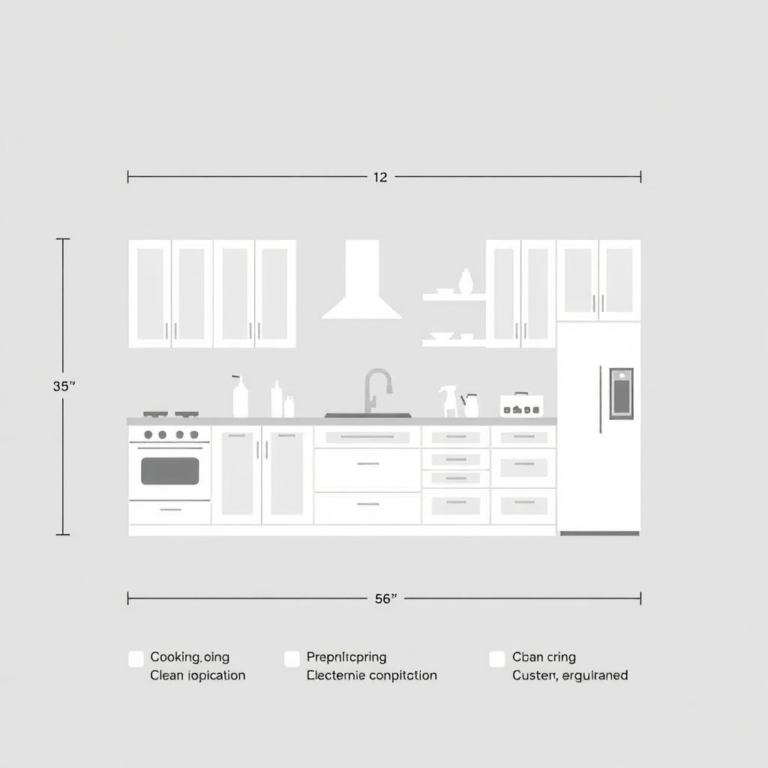

How to Plan Kitchen Remodel: A Step-by-Step Guide for a Smooth Renovation
Planning a kitchen remodel starts with clearly defining your goals, budget, and timeline. Decide which elements you want to update, such as cabinets, countertops, appliances, or layout, and set a realistic budget that covers materials, labor, and unexpected costs. Early planning minimizes stress and costly surprises during remodeling.
A thoughtfully planned kitchen remodel improves both functionality and style in one of the most important rooms in your home. It can enhance storage, workflow, and increase your home's overall value. Since kitchen remodels impact daily life and involve multiple contractors and materials, detailed preparation helps keep everything on track.
This article breaks down the kitchen remodel process into manageable steps, including assessing needs, budgeting, design considerations, selecting materials, hiring professionals, and scheduling the work. Whether updating a small kitchenette or creating a gourmet cooking space, these guidelines equip you to plan your kitchen remodel successfully.
Setting Your Kitchen Remodel Goals

Identifying Functional Needs and Wants
Begin your kitchen remodel by listing what you need to improve, such as more storage, updated appliances, or better lighting. Consider how your household uses the kitchen daily, noting pain points like limited counter space or outdated fixtures.
Distinguish between must-haves like ergonomic workflow and nice-to-have features such as a kitchen island or a wine fridge. Prioritizing functional improvements ensures the remodel serves your lifestyle effectively.
Defining Your Style and Aesthetic Preferences
Choosing a cohesive style early helps guide material and color selections. Browse design styles like modern, farmhouse, traditional, or transitional to find the look that appeals to you.
Gather images from magazines, websites, and social media to create a visual mood board. This practice streamlines communication with designers or contractors and helps avoid indecision during the project.
Creating a Realistic Remodel Budget
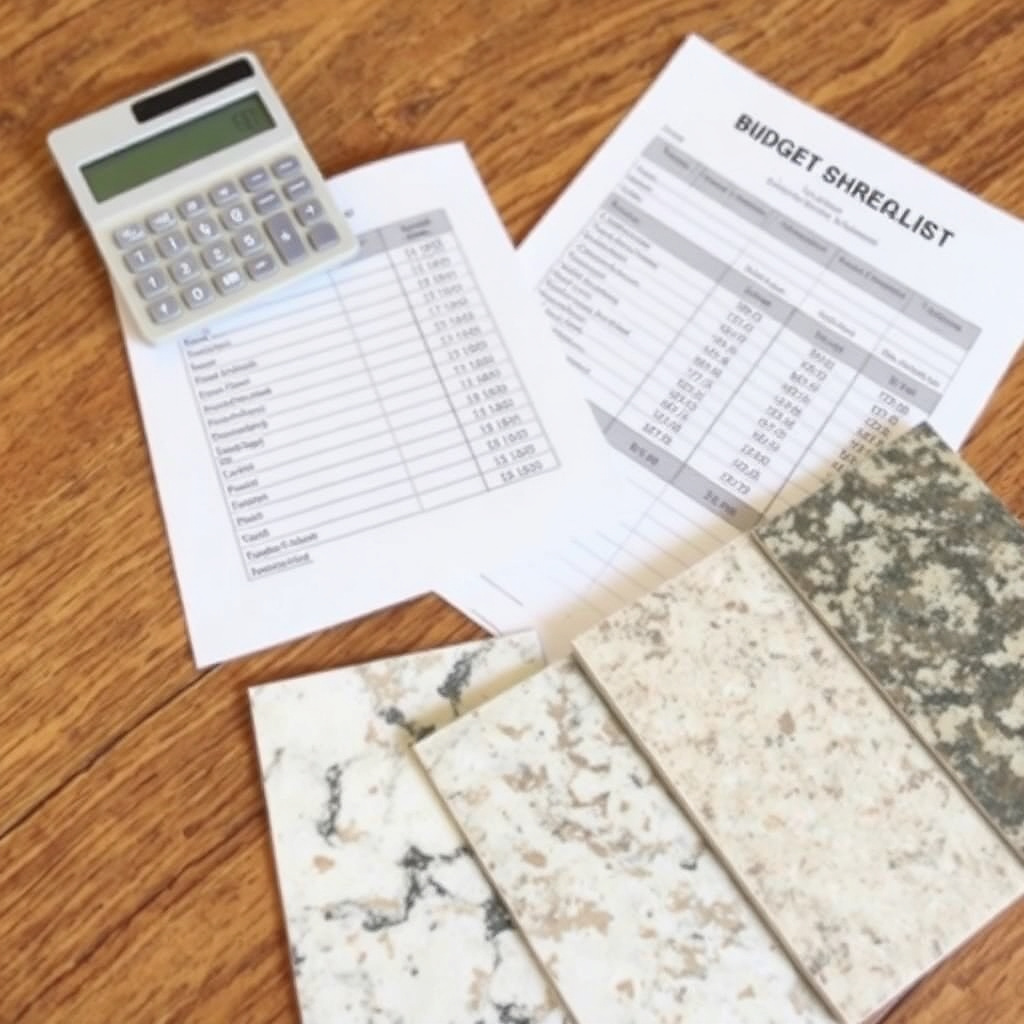
Estimating Costs for Materials and Labor
Research material prices such as cabinets, countertops, flooring, and appliances to get a baseline. Labor can constitute 20–40% of total costs depending on project complexity and location.
Request quotes from several contractors to compare labor costs. Always include taxes, permits, and potential demolition fees when estimating your budget.
For more on this, see our related guide: How to Fit a Kitchen in 7 Simple Steps.
Setting a Contingency Fund for Unexpected Expenses
Unexpected issues often arise during kitchen remodels, such as plumbing updates or structural repairs. Allocating a contingency fund of 10–20% of your budget safeguards against these surprises.
This buffer helps prevent project delays or compromises on quality choices due to unforeseen costs.
Designing Your Kitchen Layout and Features
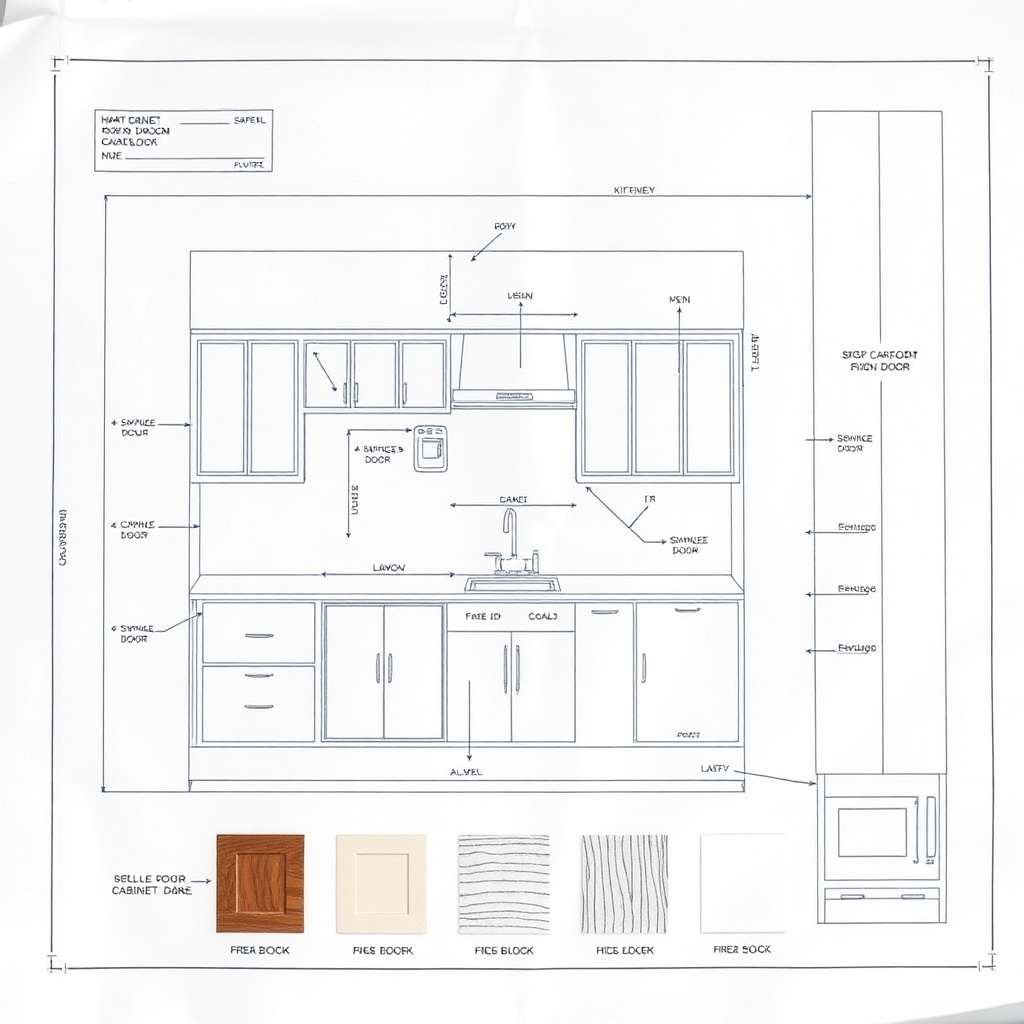
Choosing the Right Layout for Your Space
Popular kitchen layouts include L-shaped, U-shaped, galley, and island designs. Select one that maximizes efficiency based on your kitchen’s size and shape.
The kitchen work triangle—the optimal distance between the sink, stove, and refrigerator—should guide your layout to minimize walking and improve cooking flow.
- L-shaped: ideal for open floor plans
- Galley: efficient for small spaces
- U-shaped: offers ample storage and counter space
Selecting Practical Features and Appliances
Identify appliances that fit your cooking habits, such as double ovens, induction cooktops, or smart refrigerators. Consider energy efficiency ratings and maintenance needs.
Include practical features like soft-close cabinets, pull-out drawers, and under-cabinet lighting to enhance usability.
- Energy Star certified appliances
- Durable but easy-to-clean surface materials
- Convenient storage solutions
Choosing Materials and Finishes for Durability and Style
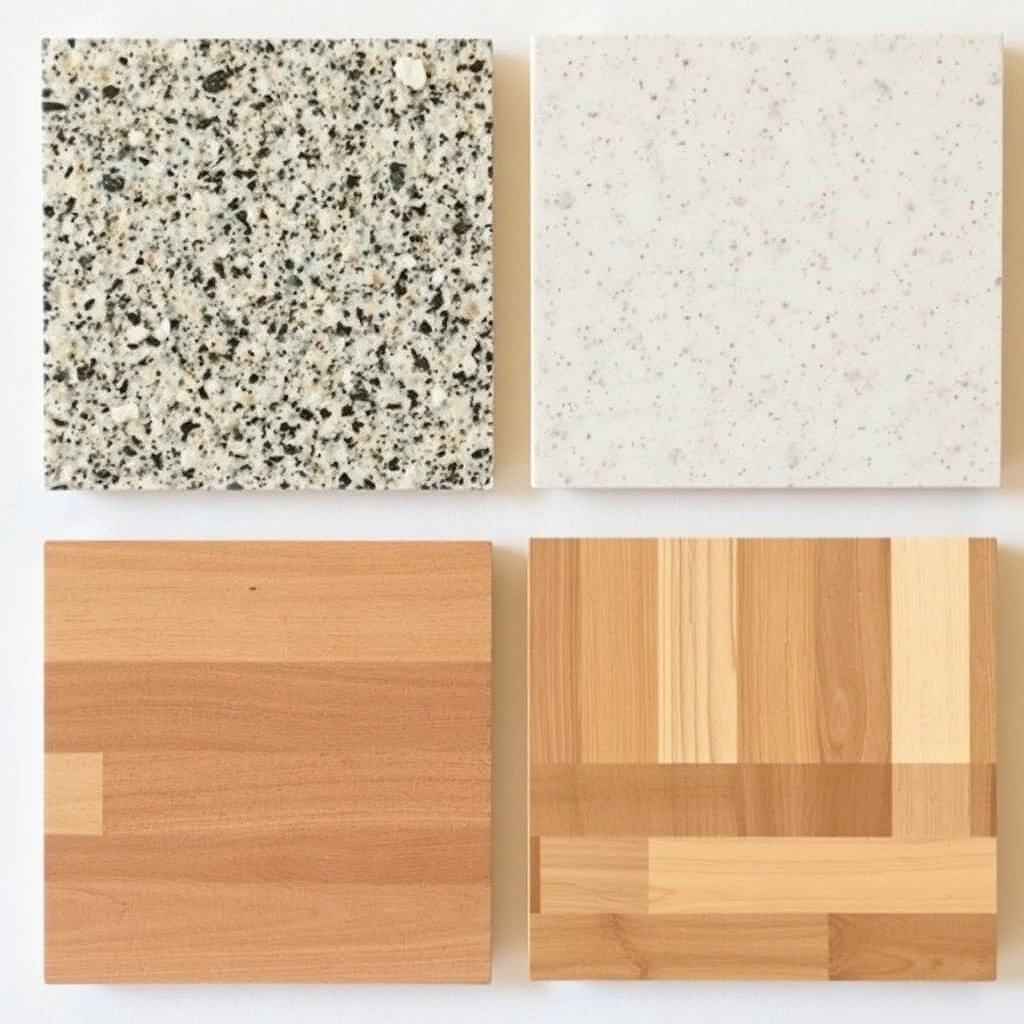
Countertops, Cabinets, and Flooring Options
Hard-wearing materials like quartz or granite make excellent countertops for resisting stains and scratches. Cabinets range from solid wood to more budget-friendly MDF with veneer finishes.
Flooring choices affect the kitchen’s comfort and durability. Consider tiles, hardwood, or resilient vinyl planks depending on foot traffic and moisture levels.
For more on this, see our related guide: 7 Best Places to Get Kitchen Cabinets in 2027.
Finishes and Hardware for Coordinated Aesthetics
Match cabinet handles, faucets, and light fixtures in finish types such as brushed nickel, matte black, or brass for a polished look.
Finishes should complement your overall design theme while standing up well to heavy kitchen use.
Hiring Professionals and Managing the Remodel Process

Finding Qualified Contractors and Designers
Research local professionals’ credentials, portfolios, and customer reviews. Interview multiple candidates and ask for references to confirm reliability.
Clear communication about expectations, timeline, and budget before work begins keeps the project aligned with your goals.
For a broader understanding of kitchen remodel techniques and history, take a look at Kitchen Remodeling on Wikipedia. Kitchen Remodeling on Wikipedia.
Scheduling and Overseeing the Remodel Timeline
Establish a detailed project schedule with milestones for demolition, plumbing, electrical work, and installation.
Regular site visits to oversee progress and address issues promptly help prevent costly delays during your kitchen remodel.
Kitchen Remodel Budget Category Comparison
Here’s a comparison of typical kitchen remodel budget categories with cost ranges and features commonly included in each level.
| Budget Category | Typical Cost Range | Materials | Labor Intensity | Features Included |
|---|---|---|---|---|
| Basic | $5,000 – $15,000 | Laminate countertops, stock cabinets | Low | Minor cosmetic updates, appliance replacement |
| Mid-range | $15,000 – $40,000 | Quartz or granite countertops, semi-custom cabinets | Moderate | New layout, upgraded appliances, flooring updates |
| High-end | $40,000 – $80,000+ | Custom cabinets, premium stone countertops | High | Structural changes, luxury appliances, designer finishes |
| Luxury | $80,000+ | Top-tier custom materials and appliances | Very high | Full-scale transformation with smart home tech and premium lighting |
Frequently Asked Questions
How long does a typical kitchen remodel take?
A standard kitchen remodel usually takes between 6 to 12 weeks depending on the scope, contractor availability, and any unexpected delays.
What is the most cost-effective way to update a kitchen?
Focusing on surface updates like painting cabinets, replacing hardware, and installing new countertops can provide a fresh look without a full remodel.
Do I need permits for a kitchen remodel?
Permits are often required for electrical, plumbing, and structural changes. Check with your local building department before starting work.
How can I stay within my kitchen remodel budget?
Create a detailed budget before starting, include a contingency fund, and avoid costly last-minute changes to the plan.
Should I live elsewhere during a kitchen remodel?
Depending on the project size and duration, living elsewhere can reduce stress, especially if the kitchen is your main food prep area.
Key Takeaways
- Define clear goals and priorities before starting your kitchen remodel.
- Establish a detailed budget including a contingency fund for surprises.
- Choose a kitchen layout and materials that fit your lifestyle and design preferences.
- Hire reliable professionals and maintain regular oversight throughout the project.
Conclusion
Planning your kitchen remodel thoughtfully means balancing your needs, style preferences, and budget from the outset. By identifying what changes matter most and setting realistic financial and time frameworks, you minimize stress and help the entire process run more smoothly. The kitchen remodel keyword reminds us that strategic preparation is the foundation for a successful renovation.
For homeowners desiring quick updates, cosmetic improvements like repainting cabinets or updating fixtures can refresh your kitchen without extensive work. Those pursuing mid-range remodels can benefit from adjusting layouts and upgrading appliances for better efficiency and aesthetics. High-end remodels involving custom cabinetry and luxury materials require more precise planning and coordination with skilled professionals to deliver a tailored cooking environment.
Begin your kitchen remodel planning by gathering ideas, researching local contractors, and carefully calculating costs. This proactive approach lets you make informed decisions and avoid common pitfalls. Ultimately, your remodeled kitchen should better serve your daily life and add lasting value to your home.